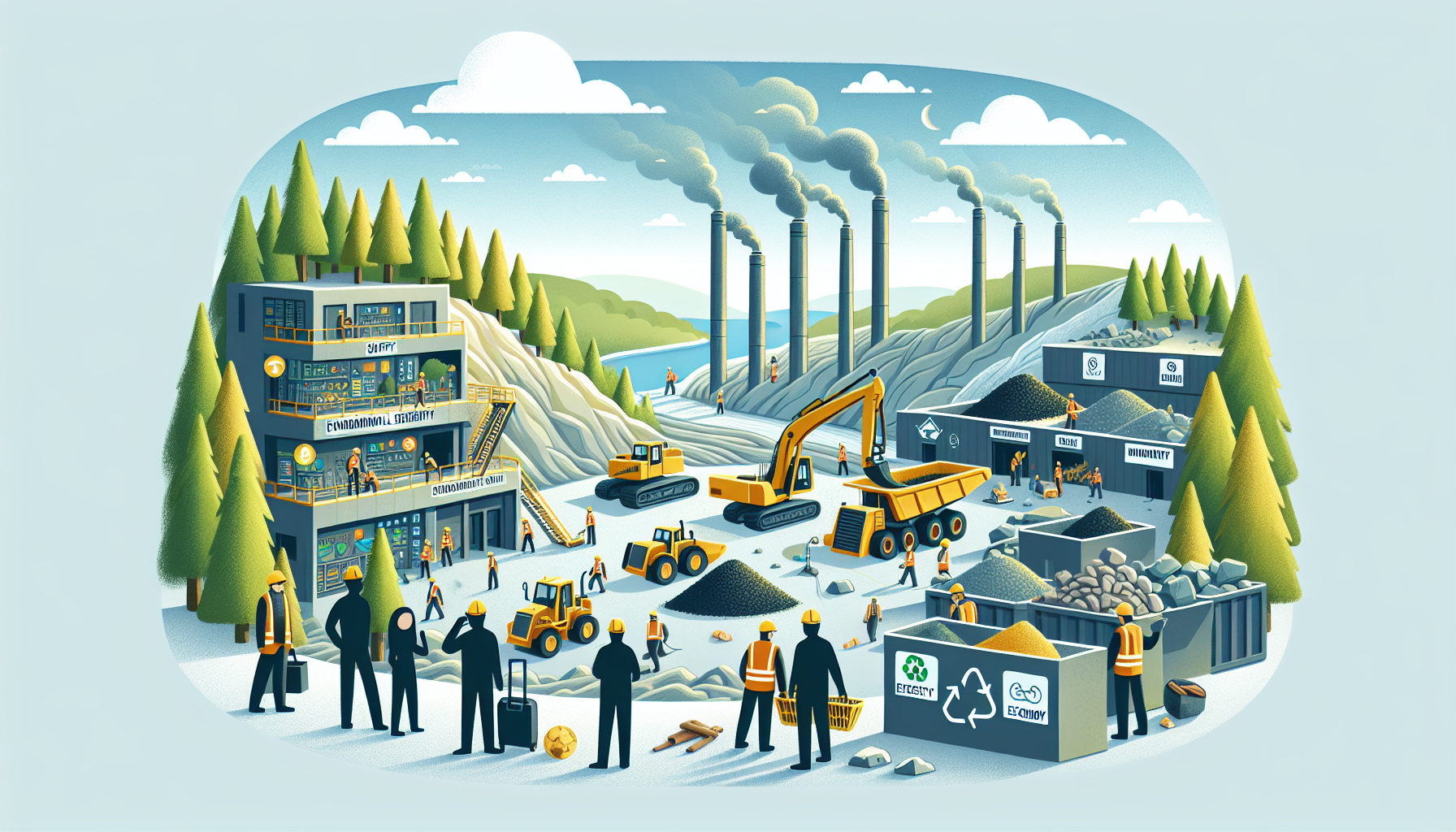
Climate risk refers to the potential adverse impacts of climate change on mining operations and the surrounding environment. It encompasses a range of factors, from physical risks associated with changing climate conditions to transitional risks related to shifts in policy, market demand, and technology. Here are key considerations for understanding and managing climate risk in the mining industry:
Physical Risks
Physical risks refer to the potential harm or damage that can be caused by natural events or disasters, such as extreme weather events, geological events, or other physical phenomena. These risks can have a significant impact on businesses, communities, and individuals. Here are some common types of physical risks:
- Extreme Weather Events:
- Hurricanes and Typhoons: These powerful storms can cause extensive wind damage, storm surges, and flooding in coastal areas.
- Floods: Excessive rainfall, storm surges, or dam failures can lead to widespread flooding, resulting in property damage, infrastructure disruption, and loss of life.
- Droughts: Prolonged periods of abnormally low precipitation levels can lead to water scarcity, affecting agriculture, industries, and communities.
- Heatwaves: Extended periods of unusually high temperatures can have health impacts, strain energy systems, and lead to wildfires.
- Earthquakes and Tsunamis:
- Earthquakes: Sudden movements of tectonic plates can lead to ground shaking, which can cause structural damage, landslides, and in severe cases, tsunamis.
- Tsunamis: Underwater earthquakes or volcanic eruptions can generate powerful ocean waves that inundate coastal areas.
- Wildfires:
- Wildfires: Uncontrolled fires in forests or grasslands can spread rapidly, causing extensive damage to ecosystems, property, and infrastructure.
- Landslides and Avalanches:
- Landslides: Slope failures can occur due to factors like heavy rainfall, earthquakes, or human activities, potentially burying communities or disrupting transportation.
- Avalanches: In mountainous regions, heavy snowfall and unstable snowpack conditions can trigger avalanches that pose risks to communities and infrastructure.
- Volcanic Eruptions:
- Volcanic Eruptions: Eruptions can release lava, ash clouds, and pyroclastic flows, which can cause widespread destruction and disrupt air travel.
- Extreme Temperatures:
- Cold Snaps: Prolonged periods of extremely cold temperatures can disrupt transportation, strain energy systems, and pose health risks.
- Heatwaves: Extended periods of unusually high temperatures can lead to heat-related illnesses, strain energy and water systems, and increase the risk of wildfires.
- Geomagnetic Storms:
- Geomagnetic Storms: Solar flares and coronal mass ejections can create disturbances in the Earth’s magnetic field, potentially damaging electrical and electronic systems.
- Sea-Level Rise and Coastal Erosion:
- Sea-Level Rise: Rising sea levels due to climate change can lead to coastal flooding, erosion, and the submergence of low-lying areas.
- Coastal Erosion: Natural processes or human activities can lead to the gradual wearing away of coastal land, impacting infrastructure and communities.
- Epidemics and Pandemics:
- Epidemics and Pandemics: Widespread outbreaks of diseases can have significant physical, social, and economic impacts, affecting communities and industries.
Managing physical risks involves preparedness, mitigation, and adaptation strategies. This may include developing robust emergency response plans, implementing building codes and land-use regulations, investing in infrastructure resilience, and adopting climate-adaptive practices. Additionally, businesses and communities should stay informed about potential risks and engage in ongoing monitoring and assessment efforts.
Regulatory Risks
Regulatory risks refer to the potential adverse impacts on businesses due to changes in laws, regulations, and government policies. These risks can arise from new or amended regulations, shifts in enforcement priorities, or changes in political landscapes. Regulatory risks can affect various aspects of a business, including operations, compliance, and financial performance. Here are some key types of regulatory risks:
- Compliance and Non-Compliance:
- Failure to Comply: This risk arises when a company does not adhere to existing laws and regulations governing its industry, potentially leading to fines, penalties, legal action, or even revocation of licenses.
- Retroactive Regulation: New regulations may be applied retroactively, meaning they can impact past activities or require businesses to make changes to previously completed projects.
- Industry-Specific Regulations:
- Environmental Regulations: These govern activities that may have an impact on the environment, such as emissions standards, waste disposal, and land use.
- Financial and Banking Regulations: These include regulations related to capital adequacy, lending practices, anti-money laundering, and consumer protection.
- Health and Safety Regulations: These cover workplace safety standards, worker protections, and occupational health requirements.
- Pharmaceutical and Healthcare Regulations: These govern the development, manufacturing, and distribution of pharmaceuticals, medical devices, and healthcare services.
- Telecommunications and Technology Regulations: These include rules related to data privacy, net neutrality, and spectrum allocation.
- Trade and Tariffs:
- Import and Export Regulations: Changes in trade policies, tariffs, and sanctions can impact the cost of imports and exports, potentially affecting supply chains and profit margins.
- Export Control Regulations: These govern the export of sensitive technologies and products, and non-compliance can lead to legal consequences.
- Taxation:
- Tax Laws and Policies: Changes in tax codes, rates, or policies can affect a company’s financial performance and tax liability.
- Transfer Pricing Rules: Multinational companies need to comply with regulations governing the pricing of transactions between related entities, which can impact their overall tax liability.
- Data Privacy and Cybersecurity:
- Data Protection Laws: These govern how companies handle and protect personal and sensitive information. Non-compliance can lead to significant fines and reputational damage.
- Cybersecurity Regulations: These may require companies to implement specific security measures and reporting protocols in the event of a data breach.
- Anti-Corruption and Anti-Bribery Laws:
- Foreign Corrupt Practices Act (FCPA): This U.S. law prohibits companies and individuals from bribing foreign officials and has extraterritorial reach.
- UK Bribery Act: Similar to the FCPA, this law in the UK addresses bribery and corruption.
- Political Instability and Change in Government:
- Shifts in Political Leadership: Changes in government can lead to shifts in regulatory priorities and policies, affecting industries and businesses.
- Policy Uncertainty: Political instability or uncertainty about future policy directions can create challenges for businesses in terms of planning and investment.
Managing regulatory risks involves staying informed about relevant laws and policies, maintaining compliance programs, conducting thorough risk assessments, and engaging with regulators and industry associations. Additionally, businesses may need to adapt their strategies and operations to align with evolving regulatory environments.
Market Risks
Market risks refer to the potential financial losses or setbacks that can occur due to changes in market conditions, including factors such as supply and demand dynamics, economic conditions, and investor sentiment. These risks are inherent in any business operation and can impact profitability, cash flow, and overall financial performance. Here are some key types of market risks:
- Supply and Demand Fluctuations:
- Demand Shifts: Changes in consumer preferences, emerging technologies, or shifts in global economic conditions can lead to fluctuations in demand for products or services.
- Supply Disruptions: Events like natural disasters, geopolitical tensions, or disruptions in the supply chain can lead to shortages of key inputs or components.
- Price Volatility:
- Commodity Price Fluctuations: Businesses reliant on commodities (such as oil, metals, and agricultural products) can be exposed to price volatility, which can impact input costs and product pricing.
- Currency Exchange Rate Risk: Companies engaged in international trade are susceptible to changes in exchange rates, which can affect the value of exports and imports.
- Interest Rate Risk:
- Interest Rate Changes: Fluctuations in interest rates can impact borrowing costs, investment returns, and the attractiveness of financial instruments like bonds or loans.
- Credit Risk: Changes in interest rates can affect the creditworthiness of counterparties, potentially leading to defaults on loans or other financial arrangements.
- Inflation and Deflation:
- Inflation Risk: Rising inflation erodes purchasing power, potentially increasing costs for businesses and impacting consumer spending.
- Deflation Risk: Persistent deflation can lead to reduced revenues and profitability as consumers delay purchases in anticipation of lower prices.
- Market Sentiment and Perception:
- Investor Confidence: Shifts in investor sentiment, driven by factors like economic indicators, geopolitical events, or industry trends, can lead to fluctuations in stock prices and market valuations.
- Consumer Confidence: Changes in consumer sentiment can impact consumer spending behaviour, affecting businesses in the retail and consumer goods sectors.
- Competitive Dynamics:
- New Entrants and Disruptive Technologies: Emerging competitors or technologies can disrupt established markets, potentially eroding market share and profitability.
- Regulatory Changes Affecting Market Structure: Shifts in regulations or policies can alter the competitive landscape and market dynamics.
- Geopolitical and Economic Events:
- Political Instability: Events like geopolitical tensions, trade disputes, or changes in government policies can lead to market uncertainty and impact global supply chains.
- Economic Downturns: Recessions or economic contractions can lead to reduced consumer spending, lower business investment, and decreased market demand.
- Technological Advancements and Disruptions:
- Emerging Technologies: Rapid advancements in technology can render existing products or services obsolete, requiring businesses to adapt quickly to stay competitive.
- Cybersecurity Threats: Cyberattacks and data breaches can have significant financial and reputational impacts on businesses.
Managing market risks involves a combination of strategic planning, diversification, hedging, and scenario analysis. Additionally, staying informed about relevant market trends, economic indicators, and geopolitical events is crucial for making informed business decisions.
Technological Risks
Technological risks refer to the potential adverse impacts on businesses or operations due to failures, disruptions, or inadequacies in technology-related systems, processes, or innovations. These risks can arise from various sources, including technical failures, cybersecurity threats, and the rapid pace of technological change. Here are some key types of technological risks:
- Cybersecurity Threats:
- Cyberattacks: Malicious actors may attempt to gain unauthorized access to computer systems, networks, or data in order to steal, manipulate, or destroy information.
- Ransomware: Malware that encrypts a company’s data and demands a ransom for its release can lead to significant financial losses and operational disruption.
- Phishing and Social Engineering: Deceptive tactics to trick employees or users into revealing sensitive information or granting unauthorized access.
- Data Breaches: Unauthorized access to or exposure of sensitive information, potentially leading to legal and reputational consequences.
- Data Loss or Corruption:
- Hardware Failures: Malfunctions or failures of servers, storage devices, or other hardware can lead to data loss or corruption.
- Software Bugs or Glitches: Errors in software code can lead to system crashes, data corruption, or other operational issues.
- Insufficient Data Backups: Inadequate or infrequent data backups can lead to permanent loss of critical information.
- Emerging Technologies and Innovation:
- Adoption Risks: Investing in new technologies or adopting emerging trends carries the risk of unproven performance, compatibility issues, or unforeseen costs.
- Obsolescence Risks: Rapid advancements can lead to the rapid obsolescence of existing technologies or products.
- Third-Party Vendor Risks:
- Vendor Reliability: Dependence on third-party vendors for critical technology services or components can expose a business to risks associated with the vendor’s performance or stability.
- Supply Chain Vulnerabilities: Disruptions or security breaches within the supply chain of technology components can impact operations.
- Regulatory Compliance and Standards:
- Non-Compliance with Data Protection Laws: Failure to adhere to data protection and privacy regulations can lead to legal and financial consequences.
- Compliance with Industry Standards: Failing to meet industry-specific technological standards or certifications can impact market access and reputation.
- Disaster Recovery and Business Continuity:
- Inadequate Disaster Recovery Planning: Insufficient plans for data recovery and business continuity in the event of a technological failure or disaster.
- Lack of Redundancy: Insufficient backup systems or redundancy measures to ensure uninterrupted operations in the event of a technological failure.
- AI and Automation Risks:
- Algorithmic Biases: Artificial intelligence systems may produce biased outcomes based on the data they are trained on, leading to fairness and ethical concerns.
- Lack of Human Oversight: Over-reliance on automation without sufficient human oversight can lead to errors or unforeseen consequences.
- Intellectual Property Risks:
- Patent and Copyright Infringement: Legal challenges related to the unauthorized use of patented technologies or copyrighted materials.
- Social and Ethical Risks:
- Technology Misuse or Exploitation: The potential for technology to be used in ways that harm individuals, violate privacy, or infringe on ethical principles.
- Ethical Dilemmas: The use of technology in ways that raise ethical concerns, such as the use of AI in decision-making or surveillance.
Managing technological risks involves implementing robust cybersecurity measures, conducting regular technology assessments, staying informed about emerging threats, and having contingency plans in place for technology-related disruptions. Additionally, businesses should continuously evaluate the impact of emerging technologies on their operations and adjust strategies accordingly.
Community and Stakeholder Risks
Community and stakeholder risks refer to the potential adverse impacts on businesses or operations arising from interactions with local communities, interest groups, and other external stakeholders. These risks can emerge from factors such as community opposition, social unrest, or conflicts with interest groups. Effectively managing community and stakeholder relationships is crucial for maintaining a positive reputation, obtaining a social license to operate, and achieving long-term sustainability. Here are some key types of community and stakeholder risks:
- Community Opposition:
- Local Opposition Groups: Activist groups, NGOs, or concerned citizens may oppose a business’s operations due to environmental, social, or economic concerns.
- NIMBYism (Not In My Backyard): Resistance from local residents who object to specific projects or facilities being located near their homes or communities.
- Social Unrest and Protests:
- Demonstrations and Protests: Social unrest or demonstrations related to perceived or actual negative impacts of a business’s operations.
- Labour Disputes: Conflicts with local labour unions or workers’ associations that can lead to strikes or disruptions.
- Indigenous and Cultural Concerns:
- Indigenous Rights and Land Claims: Conflicts related to land use and resource extraction in areas with indigenous populations, often involving cultural heritage and sacred sites.
- Cultural Heritage Preservation: Preservation of archaeological or culturally significant sites affected by business activities.
- Community Health and Safety:
- Health Impacts: Concerns or risks related to potential adverse effects on public health, such as air and water pollution or exposure to hazardous materials.
- Safety Concerns: Concerns about the safety of local residents due to the proximity of industrial operations.
- Economic Impact on Communities:
- Employment and Economic Development: Expectations regarding local job creation, economic benefits, and opportunities for local businesses.
- Displacement and Gentrification: Concerns about the potential displacement of communities or changes in local demographics due to business activities.
- Transparency and Communication:
- Lack of Transparency: Inadequate communication or perceived lack of transparency about business operations, plans, or impacts.
- Community Engagement: Insufficient efforts to engage with and involve local communities and stakeholders in decision-making processes.
- Reputation and Brand Risk:
- Reputational Damage: Negative publicity, social media backlash, or public criticism can harm a company’s brand and reputation.
- Social Media and Online Activism: Viral campaigns and online activism can quickly mobilize public opinion against a business.
- Regulatory and Legal Risks:
- Legal Action and Litigation: Communities or stakeholders may resort to legal action to challenge or seek compensation for perceived negative impacts.
- Non-Compliance with Local Regulations: Failure to meet local regulations or permitting requirements can lead to legal penalties or operational setbacks.
- Ethical and Human Rights Concerns:
- Human Rights Violations: Allegations of human rights abuses related to business operations, supply chain practices, or labour conditions.
- Ethical Conduct: Concerns about the ethical behaviour and practices of a business within the community.
Managing community and stakeholder risks involves proactive engagement, open and transparent communication, conducting impact assessments, and implementing mitigation measures. Establishing meaningful relationships with local communities and stakeholders can lead to mutually beneficial outcomes and contribute to the long-term success and sustainability of a business.
Infrastructure Risks
Infrastructure risks refer to the potential adverse impacts on businesses or operations due to failures, disruptions, or inadequacies in physical structures, facilities, and systems that support their activities. These risks can arise from various sources, including natural disasters, technical failures, and insufficient maintenance. Effective infrastructure management is crucial for ensuring the continuity and resilience of operations. Here are some key types of infrastructure risks:
- Natural Disasters:
- Floods: Excessive rainfall, storm surges, or dam failures can lead to flooding, potentially causing extensive damage to infrastructure.
- Earthquakes: Sudden movements of tectonic plates can lead to ground shaking, causing structural damage, landslides, and in severe cases, tsunamis.
- Hurricanes, Typhoons, and Cyclones: These powerful storms can cause extensive wind damage, storm surges, and flooding.
- Wildfires: Uncontrolled fires in forests or grasslands can spread rapidly, causing damage to infrastructure and potentially disrupting operations.
- Technological Failures:
- Power Outages: Disruptions in electrical supply can halt operations, damage equipment, and lead to data loss.
- Equipment Malfunctions: Failures of critical machinery or systems can lead to downtime, production delays, and potential safety hazards.
- Data Center Failures: Malfunctions in data centres can result in data loss, service disruptions, and impact business continuity.
- Transportation and Logistics Disruptions:
- Road and Bridge Failures: Structural failures or damage to roads and bridges can disrupt transportation networks, impacting the movement of goods and people.
- Port Closures: Disruptions in port operations can lead to delays in the shipment and receipt of goods, affecting supply chains.
- Utility and Service Disruptions:
- Water and Sewer Failures: Disruptions in water supply or sewer systems can impact operations and pose health and safety risks.
- Gas Leaks: Gas leaks can pose safety hazards and lead to evacuations, as well as disrupt operations.
- Cybersecurity Threats:
- Cyberattacks on Critical Infrastructure: Attacks targeting essential systems, such as control systems for power grids or water treatment plants, can lead to operational disruptions.
- Data Breaches: Attacks on sensitive information can lead to legal and reputational consequences.
- Aging Infrastructure:
- Deterioration and Maintenance Issues: Aging facilities may face challenges related to wear and tear, requiring costly repairs or upgrades.
- Obsolete Technology and Equipment: Outdated technology and equipment may not meet current operational needs, potentially leading to inefficiencies or disruptions.
- Supply Chain Vulnerabilities:
- Dependence on Single Suppliers: Overreliance on a single supplier for critical components or materials can lead to disruptions if that supplier encounters issues.
- Global Supply Chain Disruptions: Events like natural disasters or geopolitical tensions can lead to disruptions in the supply chain.
- Regulatory Compliance:
- Non-Compliance with Building Codes and Standards: Failure to meet local regulations or building codes can lead to legal penalties or operational setbacks.
- Permitting and Licensing Issues: Delays or complications in obtaining necessary permits and licenses for construction or operation.
Effectively managing infrastructure risks involves conducting regular assessments, implementing preventive maintenance programs, developing contingency plans, and investing in resilient and adaptable infrastructure. Additionally, businesses should stay informed about emerging technologies and practices that can enhance the resilience of their infrastructure.
Supply Chain Risks
Supply chain risks refer to the potential adverse impacts on businesses or operations due to disruptions, vulnerabilities, or inadequacies in the processes and networks involved in sourcing, manufacturing, and delivering goods and services. These risks can arise from various sources, including natural disasters, geopolitical events, and logistical challenges. Effectively managing supply chain risks is crucial for maintaining operational continuity and meeting customer demands. Here are some key types of supply chain risks:
- Natural Disasters and Environmental Events:
- Floods: Excessive rainfall, storm surges, or dam failures can lead to flooding, potentially disrupting transportation and causing damage to facilities.
- Earthquakes: Sudden movements of tectonic plates can lead to ground shaking, causing damage to infrastructure and disrupting logistics.
- Hurricanes, Typhoons, and Cyclones: These powerful storms can cause extensive damage to transportation infrastructure, ports, and production facilities.
- Wildfires: Uncontrolled fires in forests or grasslands can lead to road closures, disruptions in transportation, and potential damage to facilities.
- Geopolitical and Trade Risks:
- Tariffs and Trade Disputes: Changes in trade policies, tariffs, and sanctions can impact the cost of imports and exports, potentially affecting supply chains and profit margins.
- Political Instability: Geopolitical tensions, conflicts, or changes in government policies can lead to disruptions in the movement of goods and services.
- Supply Chain Localization: Dependence on suppliers from specific regions or countries can expose businesses to risks associated with regional instability or trade restrictions.
- Logistical and Transportation Risks:
- Transportation Disruptions: Events like strikes, port closures, or accidents can lead to delays in the shipment and receipt of goods.
- Capacity Constraints: Shortages in transportation capacity (e.g., trucking, shipping, air freight) can lead to delays and increased costs.
- Customs and Border Issues: Delays or complications in customs processes can lead to disruptions in the movement of goods across borders.
- Supplier Risks:
- Supplier Bankruptcy or Insolvency: Financial instability or bankruptcy of key suppliers can lead to disruptions in the supply chain.
- Quality and Reliability Issues: Issues with the quality or reliability of supplies from key vendors can impact production processes.
- Single-Source Supplier Risk: Dependence on a single supplier for critical components or materials can lead to disruptions if that supplier encounters issues.
- Cybersecurity and IT Risks:
- Cyberattacks on Supply Chain Partners: Attacks targeting suppliers or logistics partners can lead to disruptions in communications or information systems.
- Data Breaches: Security breaches or data leaks within the supply chain can lead to legal and reputational consequences.
- Demand Forecasting and Planning Risks:
- Inaccurate Demand Forecasting: Overestimating or underestimating demand for products or services can lead to excess inventory or stockouts.
- Rapid Changes in Consumer Preferences: Sudden shifts in consumer preferences can lead to excess inventory of outdated products or shortages of in-demand items.
- Regulatory and Compliance Risks:
- Non-Compliance with Environmental or Labor Regulations: Failure to meet local or international regulations can lead to legal penalties or operational setbacks.
- Ethical and Social Compliance: Violations of ethical or social standards can lead to reputational damage and legal consequences.
Effectively managing supply chain risks involves conducting regular risk assessments, establishing contingency plans, diversifying suppliers, and fostering open communication and collaboration with supply chain partners. Additionally, businesses should stay informed about emerging technologies and practices that can enhance the resilience of their supply chain.
Reputational Risks
Reputational risks refer to the potential adverse impacts on a company’s brand, image, and public perception due to actions, events, or circumstances. These risks can result from various sources, including ethical lapses, operational failures, or negative publicity. Maintaining a positive reputation is crucial for building trust with stakeholders, attracting customers, and sustaining long-term success. Here are some key types of reputational risks:
- Ethical Lapses and Misconduct:
- Unethical Business Practices: Engaging in activities that are perceived as dishonest, unfair, or harmful to stakeholders.
- Breach of Trust: Violations of trust, such as misleading advertising, false claims, or misrepresentation of products or services.
- Corruption and Bribery: Involvement in corrupt practices, such as bribery or kickbacks, can lead to severe reputational damage.
- Product or Service Failures:
- Product Defects or Recalls: Issues with product quality, safety, or performance that lead to recalls or customer harm.
- Service Failures: Poor customer service, delayed responses, or failure to meet customer expectations.
- Data Breaches and Privacy Violations: Unauthorized access or exposure of customer data, leading to privacy concerns and loss of trust.
- Crisis Management and Response:
- Inadequate Crisis Response: Poor handling of crises, emergencies, or incidents can lead to reputational damage.
- Lack of Transparency: Insufficient communication and transparency during a crisis can erode trust with stakeholders.
- Social Media and Online Reputational Risks:
- Viral Campaigns and Online Activism: Negative social media campaigns or viral content that tarnishes a company’s image.
- Online Reviews and Ratings: Negative customer reviews or ratings on platforms like review sites, social media, or e-commerce sites.
- Fake News and Disinformation: Spread of false or misleading information about a company, its products, or its practices.
- Employee Misconduct and Controversies:
- Harassment and Discrimination: Allegations of harassment, discrimination, or unfair treatment within the workplace.
- Whistleblower Claims: Whistleblower disclosures or legal actions that highlight unethical or illegal behaviour within the company.
- Supply Chain and Partner Risks:
- Third-Party Misconduct: Wrongdoings or controversies involving suppliers, distributors, or other business partners.
- Conflict Minerals and Ethical Sourcing: Failure to ensure responsible sourcing practices can lead to reputational damage.
- Regulatory Non-Compliance:
- Legal Violations: Non-compliance with laws and regulations, leading to legal penalties and reputational harm.
- Ethical Business Conduct: Violations of industry-specific ethical codes or standards.
- Environmental and Social Responsibility:
- Environmental Impact: Negative environmental practices or insufficient efforts to mitigate environmental impacts.
- Social Responsibility: Failure to meet social obligations or address societal concerns associated with business operations.
- Competitor Actions and Industry Trends:
- Negative Industry Trends: Industry-wide issues or controversies that affect public perception of companies within the sector.
- Competitive Disruption: Actions by competitors that impact market share or customer loyalty.
Managing reputational risks involves proactive measures such as implementing strong ethical standards, robust crisis communication plans, and transparent stakeholder engagement. Additionally, businesses should monitor social media and online platforms for mentions and feedback, and take swift and appropriate action in response to emerging issues. Building and maintaining a positive reputation requires consistent effort and a commitment to ethical and responsible business practices.
Insurance Risks
Insurance risks refer to the potential adverse impacts on individuals or businesses due to uncertainties associated with insurance policies. These risks can arise from various sources, including inadequate coverage, policy exclusions, or unexpected events not covered by the policy. Understanding and managing insurance risks is crucial for ensuring that individuals and businesses have the appropriate coverage in place to protect against potential losses. Here are some key types of insurance risks:
- Underinsurance:
- Insufficient Coverage Limits: Having coverage limits that are too low to adequately cover potential losses in the event of a claim.
- Coverage Gaps: Missing or inadequate coverage for specific risks or scenarios, leaving individuals or businesses vulnerable to financial losses.
- Policy Exclusions and Limitations:
- Excluded Perils: Some insurance policies may exclude coverage for specific events or circumstances (e.g., earthquakes, or floods) unless additional coverage is purchased.
- Policy Endorsements: Changes or amendments to the policy terms, conditions, or coverage, may lead to unexpected gaps or limitations in coverage.
- Deductibles and Co-Payments:
- High Deductibles: A high deductible may result in a significant out-of-pocket expense before insurance coverage kicks in, potentially causing financial strain.
- Co-Payments and Coinsurance: Out-of-pocket expenses that individuals or businesses are responsible for even after insurance coverage is applied.
- Claims Denial or Disputes:
- Claim Denial: Insurers may deny a claim based on specific policy exclusions, coverage disputes, or issues with documentation.
- Claim Delays: Delays in the claims process can lead to financial strain for individuals or businesses awaiting reimbursement.
- Changes in Insurance Market Conditions:
- Premium Increases: Changes in market conditions, such as increased claims frequency or severity, may lead to higher insurance premiums upon policy renewal.
- Availability of Coverage: Certain types of coverage may become more difficult to obtain or may be subject to stricter underwriting requirements.
- Natural Catastrophes and Climate Risks:
- Catastrophic Events: Coverage for natural disasters like hurricanes, earthquakes, or wildfires may be subject to special conditions, limitations, or exclusions.
- Climate Change Impacts: Changing climate conditions may lead to increased risks for certain types of disasters, potentially affecting insurance availability and affordability.
- Regulatory and Compliance Risks:
- Changes in Insurance Regulation: Changes in government regulations, such as new requirements or mandates, may affect insurance coverage and costs.
- Non-Compliance with Policy Conditions: Failure to meet specific conditions outlined in the policy may lead to coverage issues.
- Business Interruption Risks:
- Inadequate Business Interruption Coverage: Coverage for lost income and additional expenses due to business interruption may not be sufficient to cover actual losses.
- Coverage for Pandemics or Epidemics: Many standard business interruption policies do not cover losses resulting from pandemics or epidemics.
- Reputation and Service Quality of Insurer:
- Financial Stability of Insurer: Concerns about the financial stability of the insurance company providing coverage.
- Claims Handling and Customer Service: Dissatisfaction with the insurer’s handling of claims or customer service can impact the overall insurance experience.
Managing insurance risks involves carefully reviewing policy terms and conditions, understanding coverage limitations and exclusions, and regularly reassessing insurance needs based on changing circumstances. Additionally, individuals and businesses should work with reputable insurance providers and seek advice from insurance professionals to ensure they have the appropriate coverage in place.
Financial Risks
Financial risks refer to the potential adverse impacts on businesses or individuals due to uncertainties or fluctuations in financial markets, economic conditions, or financial management practices. These risks can arise from various sources, including market volatility, credit issues, and inadequate financial planning. Effectively managing financial risks is crucial for maintaining financial stability and achieving long-term financial goals. Here are some key types of financial risks:
- Market Risks:
- Price Volatility: Fluctuations in the prices of assets (such as stocks, bonds, commodities) can lead to gains or losses for investors.
- Interest Rate Risk: Changes in interest rates can affect borrowing costs, investment returns, and the value of fixed-income securities.
- Currency Exchange Rate Risk: Businesses engaged in international trade are exposed to fluctuations in exchange rates, which can impact the value of imports and exports.
- Commodity Price Risk: Businesses reliant on commodities (such as oil, metals, and agricultural products) can be exposed to price volatility, affecting input costs and product pricing.
- Credit Risks:
- Default Risk: The risk that a borrower will fail to meet their contractual obligations, leading to financial losses for lenders or investors.
- Counterparty Risk: The risk that the other party in a financial transaction (such as a trade or contract) will fail to fulfil their obligations.
- Creditworthiness: The assessment of a borrower’s ability to repay debt, influencing interest rates and terms offered.
- Liquidity Risks:
- Lack of Liquidity: Difficulty in converting assets into cash without significant loss in value, potentially leading to financial strain.
- Funding Risks: Difficulty in obtaining necessary funding, either through debt or equity, to support operations or investments.
- Operational Risks:
- Internal Control Failures: Inadequate internal controls and processes that can lead to errors, fraud, or inefficiencies.
- Technology Failures: Disruptions or failures in technology systems, leading to operational disruptions and financial losses.
- Compliance and Legal Risks: Risks associated with failing to comply with laws and regulations, potentially leading to legal penalties.
- Strategic Risks:
- Market Entry and Expansion Risks: Entering new markets or expanding business operations carries the risk of uncertain demand, competition, and regulatory environments.
- Product Development Risks: Investment in new products or services that may not achieve anticipated financial returns.
- Reputation and Brand Risks: Actions or decisions that could negatively impact a company’s brand and reputation, leading to financial consequences.
- Solvency Risks:
- Financial Stability and Solvency: Concerns about a company’s ability to meet its financial obligations and continue operations in the long term.
- Debt Burden: Excessive debt levels relative to earnings, potentially leading to financial distress.
- Regulatory and Compliance Risks:
- Non-Compliance with Regulations: Failure to meet legal and regulatory requirements, potentially leading to fines, penalties, or legal action.
- Changes in Tax Laws: Changes in tax codes, rates, or policies can affect a company’s financial performance and tax liability.
- Investment Risks:
- Market Timing and Selection Risks: The risk of making poor investment decisions, including choosing the wrong assets or entering and exiting markets at the wrong times.
- Diversification Risks: Over-concentration of investments in a single asset class or sector, potentially leading to unbalanced risk exposure.
Managing financial risks involves a combination of prudent financial planning, diversification of investments, robust risk assessments, and adherence to sound financial management practices. Additionally, staying informed about economic and market conditions is crucial for making informed financial decisions.
Discover more from AllMinings
Subscribe to get the latest posts sent to your email.