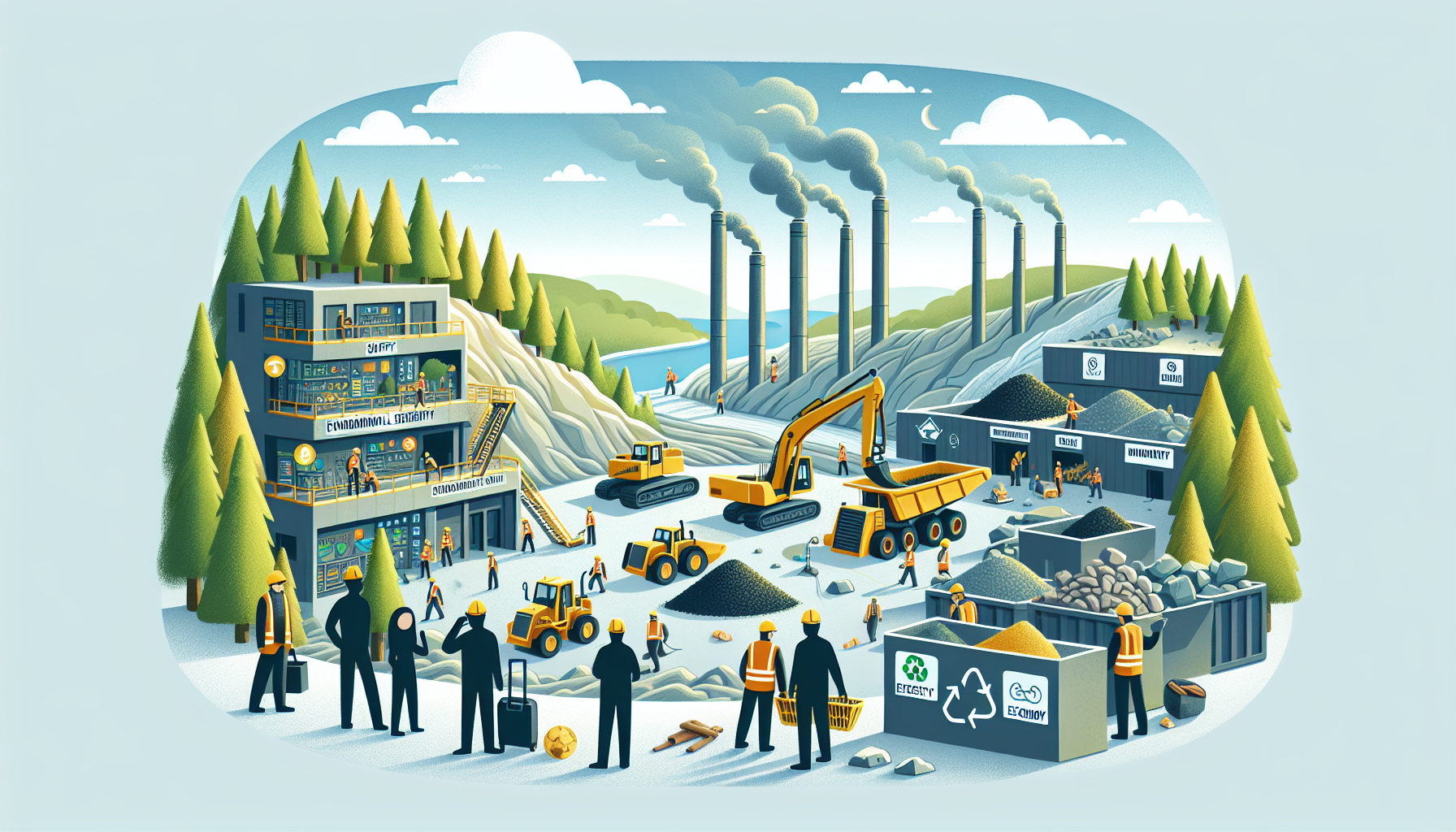
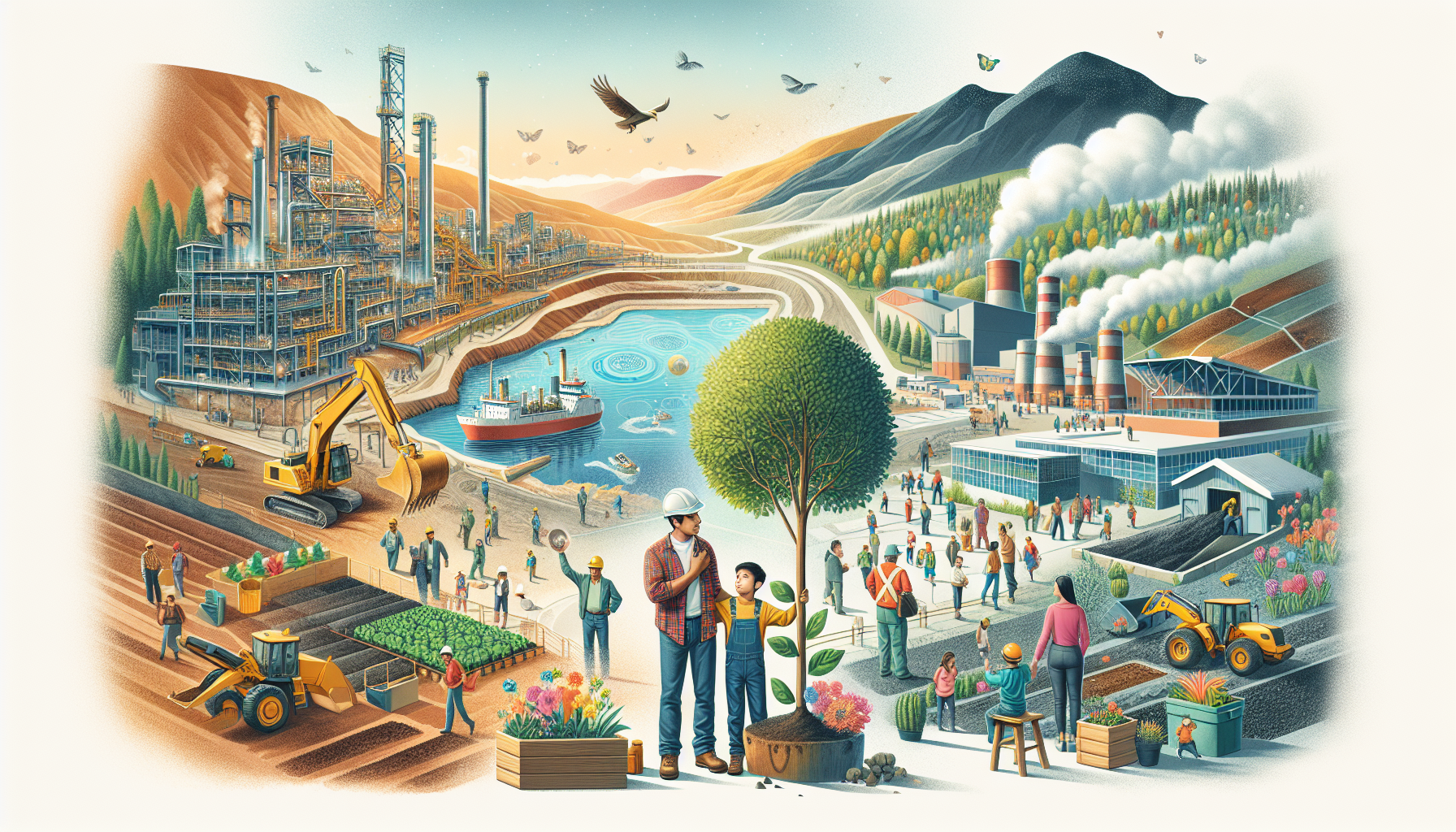
ESG refers to incorporating Environmental, Social, and Governance considerations into the business practices of mining companies. This approach aims to ensure that mining activities are conducted sustainably and responsibly, considering the broader impacts on the environment, local communities, and society as a whole. Here’s a breakdown of ESG in the mining industry:
Environmental (E)
Environmental (E) considerations in the mining industry pertain to the impact of mining operations on the natural world, encompassing a range of factors. Here is a more detailed explanation of the environmental aspect of ESG in the mining industry:
- Sustainable Resource Management:
- Resource Extraction: This involves the extraction of minerals, metals, and other valuable resources from the earth’s crust. Sustainable resource management emphasizes responsible extraction practices to minimize resource depletion and ensure a long-term supply.
- Biodiversity Conservation: Mining activities can disrupt local ecosystems and habitats. Sustainable mining practices aim to minimize these impacts by conducting thorough environmental assessments, implementing conservation measures, and, where possible, restoring natural habitats after mining activities cease.
- Land Rehabilitation and Reclamation: After mining operations are completed, responsible companies engage in land rehabilitation and reclamation efforts. This involves restoring mined areas to a condition as close to their natural state as possible, including re-vegetation, erosion control, and soil remediation.
- Energy Efficiency and Climate Change Mitigation:
- Energy Sources: Mining operations often require significant energy inputs, which can lead to high carbon emissions. Embracing energy-efficient technologies and transitioning towards cleaner energy sources, such as renewable energy, can reduce the industry’s overall carbon footprint.
- Carbon Emissions Reduction: Mining companies are encouraged to implement measures to reduce their greenhouse gas emissions. This might involve optimizing transportation and logistics, using more efficient machinery, and adopting innovative technologies like the electrification of equipment.
- Water Management:
- Efficient Water Usage: Mining operations can have substantial water demands for processing, dust suppression, and other activities. Sustainable mining practices seek to optimize water usage, minimize waste, and adopt recycling and reclamation methods.
- Water Quality Protection: It’s crucial to prevent contamination of local water bodies due to mining activities. This involves treating water used in mining processes, establishing containment systems to prevent leaks, and implementing water quality monitoring programs.
- Waste Management and Recycling:
- Waste Minimization: Mining generates various forms of waste, including tailings (residues from ore processing) and overburden (the material that covers a deposit). Sustainable mining practices focus on minimizing waste generation through efficient processing and extraction techniques.
- Recycling and Reuse: Mining companies are encouraged to explore opportunities for recycling and reusing materials. For example, tailings can sometimes be reprocessed to extract additional minerals, reducing the overall environmental impact.
- Regulatory Compliance and Best Practices:
- Compliance with Environmental Regulations: Mining companies must adhere to local, national, and international environmental regulations. This includes obtaining permits, conducting environmental impact assessments, and complying with air and water quality standards, among others.
- Continuous Improvement and Innovation: Leading mining companies engage in research and development to discover and implement more environmentally friendly technologies and practices. This includes investments in cleaner extraction methods, waste reduction techniques, and pollution control technologies.
Environmental considerations in the mining industry are vital for ensuring the long-term sustainability of operations and minimizing adverse effects on ecosystems, wildlife, and surrounding communities. Responsible environmental practices not only reduce negative impacts but also contribute to the industry’s overall resilience and social acceptance.
Social (S)
- Community Engagement and Stakeholder Inclusion:
- Community Consultation: Mining companies engage with local communities, indigenous groups, and other stakeholders to gather input, address concerns, and ensure that their interests are taken into account in decision-making processes. This might involve public meetings, surveys, and ongoing dialogues.
- Benefit Sharing: Responsible mining practices aim to ensure that local communities benefit from mining activities. This can include job creation, economic development, infrastructure improvements, and social programs that enhance quality of life.
- Capacity Building: Mining companies often invest in education, skills training, and other capacity-building initiatives within the communities where they operate. This helps create a more skilled and empowered local workforce.
- Health and Safety:
- Workplace Safety: Ensuring a safe working environment is paramount. This involves providing proper training, safety equipment, and protocols to prevent accidents and injuries.
- Community Health and Safety: Beyond the workforce, mining companies must also consider the health and safety of the surrounding communities. This includes measures to mitigate air and water pollution, and disaster preparedness in case of emergencies.
- Occupational Health: Monitoring and addressing long-term health impacts on employees, especially those working in environments with potential health risks (e.g., exposure to chemicals or dust).
- Labour Practices and Human Rights:
- Fair Labor Practices: This involves fair wages, reasonable working hours, and adherence to labour laws. It also extends to issues like freedom of association and collective bargaining.
- Child Labor and Forced Labor: Responsible mining companies strictly prohibit child labour and any form of forced or compulsory labour.
- Diversity and Inclusion: Encouraging a diverse and inclusive workforce, which includes providing equal opportunities regardless of gender, race, ethnicity, religion, or other factors.
- Cultural Heritage and Land Rights:
- Respecting Cultural Heritage: Mining companies must respect and protect cultural heritage sites, artifacts, and practices that may be present in or near mining areas.
- Land Rights and Indigenous Rights: Acknowledging and respecting the land rights of Indigenous communities is crucial. This includes obtaining proper consent, ensuring fair compensation, and respecting customary land use practices.
- Conflict Resolution: In areas where land rights may be contentious, mining companies should engage in transparent and fair negotiations, potentially involving third-party mediators.
Social considerations in the mining industry are vital for establishing positive relationships with local communities, respecting human rights, and ensuring that the benefits of mining are shared equitably among stakeholders. This helps to build trust, reduce conflicts, and promote sustainable development in the regions where mining activities take place.
Governance (G)
- Ethical Business Practices:
- Transparency and Disclosure: Transparent reporting of financial and operational data is crucial. This includes providing accurate information about a company’s performance, risks, and governance structures to stakeholders, including investors, regulators, and the public.
- Anti-corruption Measures: Implementing robust anti-corruption policies and procedures to ensure that business is conducted with integrity and in compliance with relevant anti-bribery laws and regulations.
- Compliance and Accountability: Complying with legal and regulatory requirements, industry standards, and internal policies. Establishing a system of accountability ensures that all stakeholders are held responsible for their actions.
- Board and Executive Accountability:
- Independent Board Oversight: Having a diverse and independent board of directors that provides oversight and guidance to ensure that the company is managed in the best interests of shareholders and stakeholders.
- Executive Compensation and Incentives: Ensuring that executive compensation is aligned with the company’s long-term sustainability goals, rather than just short-term financial performance.
- Succession Planning: Establishing a transparent and effective process for identifying and appointing new board members and executives.
- Risk Management and Compliance:
- Risk Identification and Assessment: Identifying and evaluating risks associated with mining operations, including environmental, social, and financial risks. This helps in implementing appropriate measures to mitigate these risks.
- Compliance Management: Developing and maintaining a system to track and ensure compliance with laws, regulations, permits, and industry standards.
- Crisis and Emergency Response Planning: Establishing protocols to address unforeseen events or emergencies, ensuring the safety of employees, communities, and the environment.
- Reporting and Disclosure:
- ESG Reporting: Providing accurate and comprehensive reporting on Environmental, Social, and Governance performance. This helps stakeholders assess the company’s sustainability efforts and make informed decisions.
- Stakeholder Communication: Establishing effective channels of communication with stakeholders to keep them informed about the company’s ESG initiatives, progress, and challenges.
- Third-party Assurance: Seeking third-party verification or certification of ESG performance, which can enhance credibility and demonstrate a commitment to transparency.
Governance considerations in the mining industry are critical for ensuring that companies are managed in a responsible and accountable manner. Strong governance practices help to maintain trust with stakeholders, mitigate risks, and create a foundation for long-term sustainable growth and value creation.
Discover more from AllMinings
Subscribe to get the latest posts sent to your email.