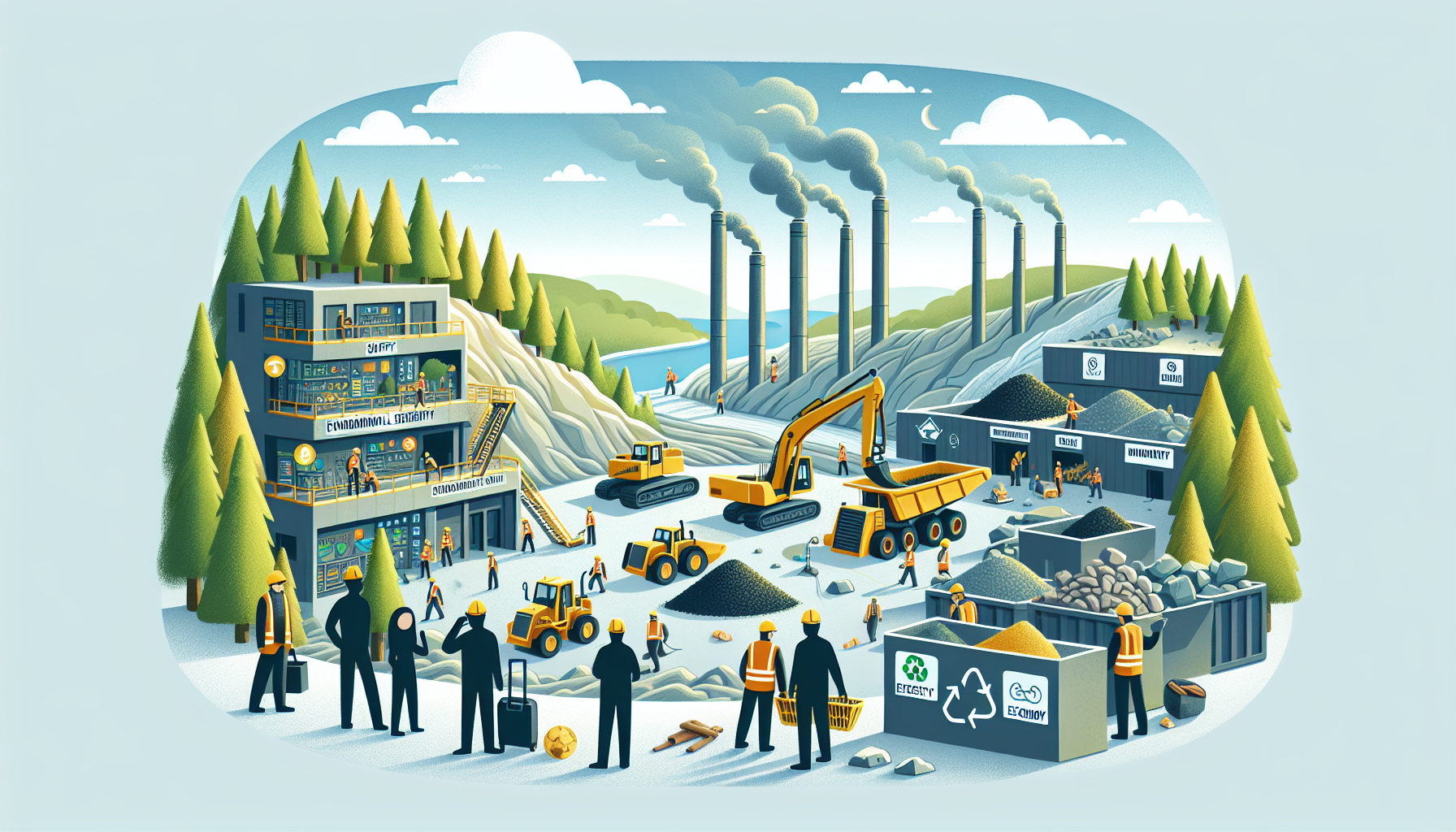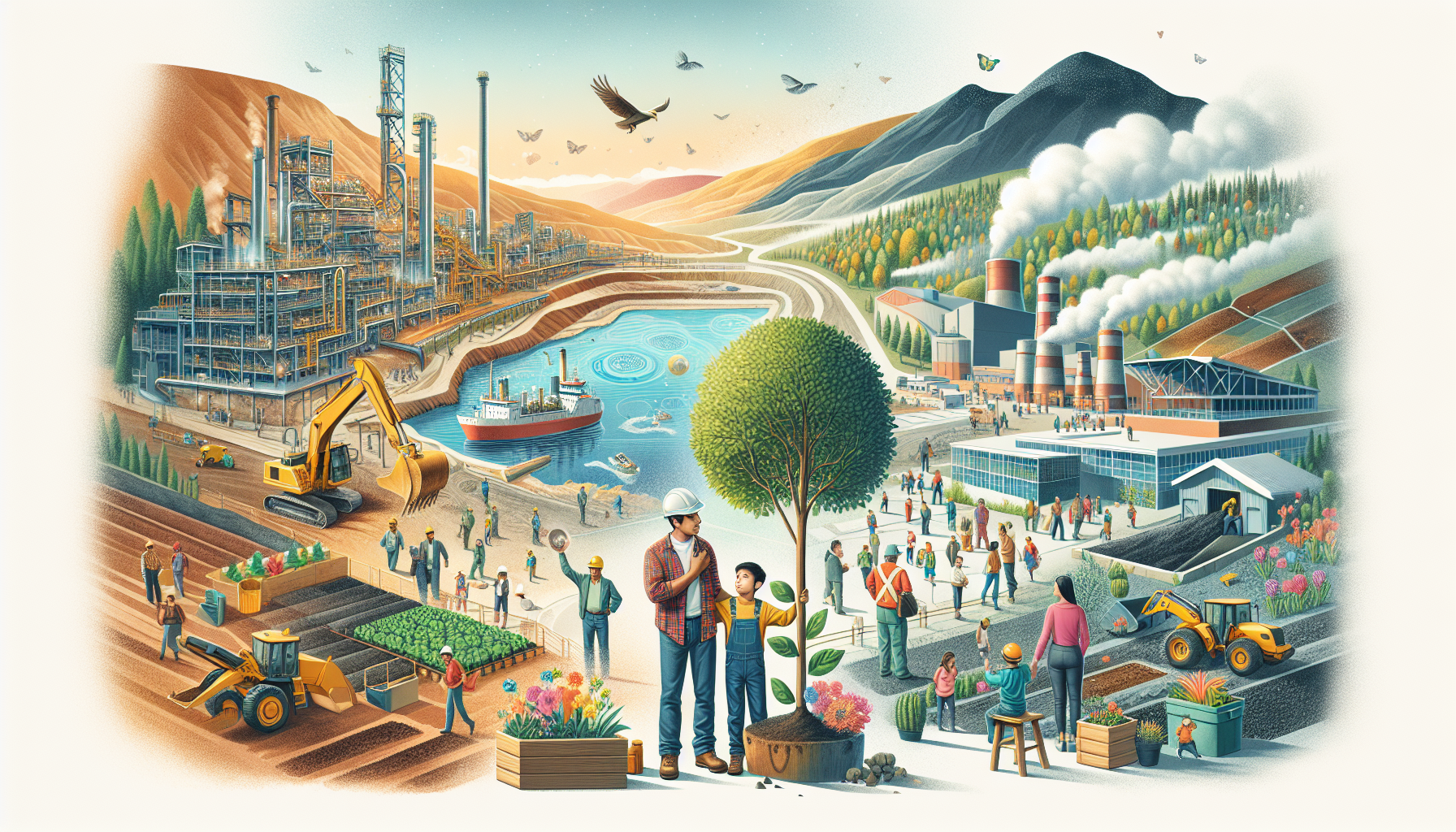
Environmental studies in the mining industry play a crucial role in ensuring sustainable and responsible mining practices. These studies encompass a range of assessments, evaluations, and strategies aimed at understanding and mitigating the environmental impacts of mining activities. Here are some key aspects of environmental studies in the mining industry:
Environmental Impact Assessment (EIA)
Environmental Impact Assessment (EIA) is a systematic process used to evaluate the potential environmental effects of a proposed project, plan, or policy before it is approved, developed, or implemented. The primary goal of an EIA is to ensure that potential environmental, social, and economic impacts are identified and assessed, and that appropriate mitigation measures are put in place to minimize any adverse effects. Here are the key components and steps involved in an Environmental Impact Assessment:
- Scope Definition:
- Purpose: The first step is to define the scope of the assessment, which includes identifying the boundaries of the study, the issues and concerns to be addressed, and the stakeholders involved.
- Components: This involves determining the geographic extent of the assessment, the specific environmental factors to be studied (e.g., air quality, water quality, biodiversity), and the duration of the study.
- Baseline Data Collection:
- Purpose: This step involves gathering information about the existing environmental conditions in the area where the proposed project will take place. This provides a reference point for assessing changes over time.
- Components: Baseline studies cover various aspects, including air and water quality, soil conditions, biodiversity, socio-economic conditions, and cultural resources.
- Impact Prediction and Assessment:
- Purpose: This phase involves identifying and predicting the potential impacts of the proposed project on the environment based on the collected baseline data.
- Components: It includes evaluating both direct and indirect impacts, short-term and long-term effects, and cumulative impacts that may result from the project.
- Mitigation and Impact Management:
- Purpose: Once potential impacts are identified, this step focuses on developing measures to avoid, minimize, or compensate for adverse effects.
- Components: Mitigation measures can include changes to project design, operational procedures, and the implementation of best practices to reduce negative impacts.
- Alternatives Analysis:
- Purpose: This step involves evaluating different options or scenarios for carrying out the proposed project, including a “no-action” alternative. It helps in identifying the most environmentally sound option.
- Components: The analysis considers factors such as technical feasibility, economic viability, and social acceptability of each alternative.
- Public Participation and Consultation:
- Purpose: Engaging with the public and relevant stakeholders is a crucial aspect of EIA. It ensures that community concerns and values are taken into account.
- Components: This involves conducting public hearings, soliciting feedback, and incorporating stakeholder input into the decision-making process.
- Environmental Management Plan (EMP):
- Purpose: An EMP outlines the measures and protocols to be followed during all phases of the project to ensure environmental protection and compliance with regulations.
- Components: It includes specific actions for monitoring, reporting, and responding to potential environmental issues that may arise during project implementation.
- Decision-making and Authorization:
- Purpose: Based on the findings of the EIA, regulatory authorities make a decision regarding whether to approve, reject, or modify the proposed project.
- Components: This decision takes into consideration the environmental, social, and economic implications, as well as the effectiveness of proposed mitigation measures.
- Monitoring, Compliance, and Auditing:
- Purpose: Once the project is approved and implemented, ongoing monitoring and compliance efforts ensure that the project adheres to the conditions and requirements specified in the EIA.
- Components: This involves regular data collection, reporting, and periodic audits to assess the effectiveness of mitigation measures and to address any unforeseen impacts.
Environmental Impact Assessment is a critical tool in achieving sustainable development by balancing economic growth with environmental protection. It helps to ensure that projects are carried out in a manner that minimizes harm to the environment and maximizes benefits to society.
Baseline Studies
Baseline studies are a critical component of environmental assessments, particularly in the context of projects like mining, construction, or any other development activities. These studies establish the current state of the environment in the area where a proposed project is planned. They serve as a reference point against which future changes and impacts can be measured. Here are the key aspects of baseline studies:
- Purpose:
- The primary purpose of baseline studies is to provide a comprehensive and accurate snapshot of the existing environmental conditions in the project area before any significant development or activities take place.
- Components:
- Flora and Fauna: This includes an inventory of plant and animal species present in the area. It identifies the diversity, abundance, and distribution of species.
- Hydrology: This involves studying the existing water sources, flow patterns, groundwater levels, and water quality. It assesses the availability and quality of water resources.
- Air Quality: Baseline studies measure parameters like air pollutants, particulate matter, and gases. It provides a baseline for understanding air quality before project activities begin.
- Soil Quality: This component examines the physical, chemical, and biological properties of the soil. It identifies soil types, nutrient content, and any existing contamination.
- Topography and Geology: This involves mapping and studying the physical features and geological characteristics of the area. It includes information about rock formations, fault lines, and geological hazards.
- Cultural and Archaeological Resources: Baseline studies may also include assessments of cultural and historical sites, including archaeological artifacts or significant cultural landscapes.
- Socio-economic Conditions: This component evaluates the demographics, livelihoods, and economic activities of the local communities. It helps in understanding the potential social impacts of the project.
- Noise Levels: This measures ambient noise levels in the area, considering factors such as natural sounds, human activities, and any existing industrial noise.
- Land Use and Land Cover: This assesses how the land is currently being used, including agriculture, forestry, residential areas, and any existing infrastructure.
- Climate and Weather Patterns: This component looks at prevailing weather conditions, climate zones, and climate variability in the project area.
- Regulatory Framework: Understanding the existing legal and regulatory framework related to environmental protection and land use is also part of the baseline assessment.
- Data Collection Methods:
- Baseline studies use a combination of field surveys, remote sensing techniques, laboratory analysis, interviews with local communities, and a review of existing literature and data sources.
- Temporal Considerations:
- Baseline studies are conducted over a specific period to capture seasonal variations and ensure that the data is representative of typical conditions.
- Documentation and Reporting:
- The findings of baseline studies are documented in a detailed report. This report serves as a crucial reference document throughout the project lifecycle.
- Long-term Relevance:
- The data collected during baseline studies forms the basis for monitoring and assessing the project’s environmental impacts over time. It helps in determining the effectiveness of mitigation measures.
Baseline studies are a fundamental step in the environmental impact assessment process. They provide a scientific foundation for understanding the initial environmental conditions and are essential for making informed decisions regarding proposed projects or developments.
Environmental Management Plan (EMP)
An Environmental Management Plan (EMP) is a comprehensive document that outlines the strategies, measures, and protocols to be followed during all phases of a project to ensure environmental protection and compliance with relevant regulations and standards. It is a critical component of the environmental assessment process and serves as a guide for minimizing and mitigating potential environmental impacts. Here are the key components and considerations of an Environmental Management Plan:
- Purpose:
- The primary purpose of an EMP is to provide a framework for managing environmental risks and impacts associated with a specific project or operation.
- Scope and Objectives:
- The EMP begins with a clear definition of the project’s scope, including its location, purpose, duration, and the potential environmental aspects and impacts it may have.
- Legal and Regulatory Framework:
- The plan outlines the relevant environmental laws, regulations, and permits that govern the project. It ensures that the project complies with all legal requirements.
- Roles and Responsibilities:
- The EMP defines the roles and responsibilities of various stakeholders involved in the project, including project managers, environmental officers, contractors, and regulatory agencies.
- Environmental Risk Assessment:
- This section identifies potential environmental risks and impacts associated with the project. It includes both direct and indirect impacts, as well as potential cumulative effects.
- Mitigation Measures:
- The EMP specifies the measures and strategies that will be implemented to avoid, minimize, or compensate for adverse environmental impacts. This can include changes in project design, operational procedures, and the adoption of best practices.
- Monitoring and Reporting:
- The plan outlines the protocols and frequency for monitoring environmental parameters such as air quality, water quality, noise levels, and wildlife populations. It also defines reporting requirements to regulatory authorities.
- Waste Management:
- The EMP addresses the handling, treatment, and disposal of waste generated by the project. This includes solid waste, hazardous materials, and wastewater.
- Water Management:
- This section outlines measures for conserving water resources, preventing pollution of water bodies, and managing stormwater runoff.
- Air Quality Management:
- The EMP includes strategies for controlling emissions, minimizing dust and particulate matter, and ensuring compliance with air quality standards.
- Biodiversity Conservation and Habitat Protection:
- This component focuses on preserving biodiversity and protecting sensitive habitats. It may include habitat restoration and conservation programs.
- Emergency Response and Contingency Plans:
- The EMP includes protocols for responding to environmental emergencies, such as spills, leaks, or other incidents that could result in environmental harm.
- Training and Awareness:
- The plan outlines the training requirements for project personnel to ensure they are aware of their environmental responsibilities and equipped to implement the EMP effectively.
- Community Engagement and Communication:
- The EMP addresses how the project will engage with local communities, communicate information about environmental management, and address community concerns.
- Review and Adaptation:
- The EMP includes provisions for periodic review and evaluation to assess the effectiveness of mitigation measures and make any necessary adjustments.
An Environmental Management Plan is a dynamic document that evolves with the project. It serves as a guiding framework for responsible and sustainable project implementation, ensuring that environmental protection remains a central priority throughout all phases of the project.
Water Management
Water management is a critical aspect of environmental stewardship that involves the responsible use, conservation, and protection of water resources. It encompasses a range of activities and practices aimed at ensuring sustainable water availability for various purposes while minimizing negative impacts on the environment. Here are the key components and considerations of water management:
- Source Identification and Assessment:
- Purpose: Identify and evaluate potential water sources, such as rivers, lakes, groundwater, and rainwater, for suitability and sustainability.
- Components: This involves studying factors like water quality, quantity, reliability, and legal rights to access and use the water.
- Water Conservation and Efficiency:
- Purpose: Promote the efficient use of water resources to minimize wastage and meet the demands of various sectors, including agriculture, industry, and households.
- Components: This includes the implementation of technologies and practices like drip irrigation, water-saving appliances, and rainwater harvesting.
- Infrastructure and Facilities:
- Purpose: Develop and maintain infrastructure for the collection, storage, treatment, and distribution of water.
- Components: This involves the construction of reservoirs, dams, water treatment plants, pipelines, and distribution networks.
- Water Quality Management:
- Purpose: Ensure that water resources meet quality standards for safe and sustainable use.
- Components: Monitoring and treatment of water to address issues like contamination from pollutants, pathogens, and excessive nutrient levels.
- Erosion and Sediment Control:
- Purpose: Prevent soil erosion and sedimentation in water bodies, which can lead to water pollution and habitat degradation.
- Components: Implementation of erosion control measures like vegetation, silt fences, and sediment basins.
- Flood Management:
- Purpose: Minimize the risks and impacts of flooding events on communities, agriculture, and infrastructure.
- Components: This involves floodplain mapping, construction of flood control structures, and early warning systems.
- Groundwater Management:
- Purpose: Ensure the sustainable use of underground water resources while preventing over-extraction and contamination.
- Components: Monitoring of groundwater levels, recharge rates, and the establishment of groundwater protection zones.
- Water Use Permits and Regulations:
- Purpose: Establish legal frameworks and permits to regulate water use and allocation, ensuring equitable distribution and protecting environmental flows.
- Components: Licensing and permitting systems that set limits on water withdrawals and discharges.
- Wastewater Treatment and Disposal:
- Purpose: Properly treat and dispose of wastewater to prevent pollution of water bodies and protect public health.
- Components: Construction and operation of wastewater treatment plants, as well as the implementation of septic systems and sewage systems.
- Climate Change Adaptation:
- Purpose: Address the challenges posed by climate change, including altered precipitation patterns, droughts, and rising sea levels, which can impact water availability and quality.
- Components: Planning for water scarcity, developing resilience strategies, and implementing water-saving technologies.
- Public Awareness and Education:
- Purpose: Raise awareness about the importance of water conservation and responsible water use among the public and stakeholders.
- Components: Educational campaigns, community outreach, and training programs on water-saving practices.
- Monitoring and Data Collection:
- Purpose: Continuously collect and analyze data on water quantity, quality, and usage to inform decision-making and adaptive management.
- Components: Regular measurement and assessment of water parameters through monitoring networks and data collection systems.
Effective water management is essential for sustainable development and the protection of ecosystems. It requires a multidisciplinary approach, involving collaboration between governments, communities, industries, and environmental organizations to ensure that water resources are utilized in a manner that is both equitable and environmentally responsible.
Air Quality Management
Air quality management is a crucial endeavour aimed at preserving and improving the quality of the air we breathe. It involves a range of strategies and actions to monitor, assess, and control pollutants in the atmosphere, thereby safeguarding human health and protecting the environment. Here are the key components and considerations of air quality management:
- Air Quality Monitoring:
- Purpose: Continuous measurement and assessment of various pollutants in the atmosphere to understand current air quality levels.
- Components: Monitoring stations equipped with instruments to measure concentrations of pollutants like particulate matter (PM), nitrogen dioxide (NO2), sulphur dioxide (SO2), ozone (O3), carbon monoxide (CO), and volatile organic compounds (VOCs).
- Emission Inventory and Source Identification:
- Purpose: Compilation of comprehensive data on the sources and quantities of pollutants released into the air.
- Components: Cataloging of emissions from various sectors, including industrial processes, transportation, energy production, and natural sources.
- Air Quality Standards and Regulations:
- Purpose: Establishing legally binding limits for pollutant concentrations to protect public health and the environment.
- Components: Development and enforcement of air quality standards, often set by government agencies, which guide emission limits and control measures.
- Air Quality Index (AQI):
- Purpose: Provide a simple and understandable way to communicate daily air quality levels to the public.
- Components: The AQI converts pollutant concentrations into a standardized index, allowing people to easily interpret air quality conditions.
- Pollution Control Technologies:
- Purpose: Employing technologies and techniques to reduce or eliminate emissions from various sources.
- Components: This includes the use of filters, scrubbers, catalytic converters, and advanced combustion techniques in industrial processes and transportation.
- Transportation Management:
- Purpose: Addressing emissions from vehicles, a significant source of air pollution, by promoting cleaner fuels and technologies, improving public transportation, and implementing traffic management strategies.
- Components: Encouraging the use of electric vehicles, hybrid vehicles, and efficient public transit systems.
- Industrial Emission Control:
- Purpose: Regulating and reducing emissions from industrial processes, which can release a variety of pollutants into the air.
- Components: Employing the best available technologies, conducting regular inspections, and enforcing emission limits for industries.
- Indoor Air Quality (IAQ) Management:
- Purpose: Ensuring that the air quality inside buildings is safe and healthy for occupants.
- Components: Proper ventilation, use of air purifiers, and controlling sources of indoor pollution like tobacco smoke and volatile organic compounds.
- Public Awareness and Education:
- Purpose: Raising public awareness about air quality issues, and health impacts, and encouraging behaviour changes to reduce personal emissions.
- Components: Public campaigns, educational programs, and community engagement efforts to promote air quality awareness and actions.
- Emergency Response and Contingency Plans:
- Purpose: Preparing for and responding to air quality emergencies, such as wildfires, industrial accidents, or severe pollution events.
- Components: Establishing protocols for evacuation, sheltering, and communication during air quality emergencies.
- Research and Innovation:
- Purpose: Advancing scientific understanding and technological solutions for air quality management.
- Components: Supporting research on air pollution sources, impacts, and development of new technologies for pollution control.
Air quality management is a collaborative effort that involves government agencies, industries, communities, and individuals. By implementing effective strategies and technologies, we can protect human health, preserve the environment, and ensure a sustainable and healthy future for all.
Waste Management
Waste management encompasses the collection, transportation, processing, disposal, and monitoring of waste materials. It aims to reduce the environmental and health impacts of waste while promoting resource recovery and sustainable practices. Here are the key components and considerations of waste management:
- Waste Generation and Characterization:
- Purpose: Understanding the types and quantities of waste generated by various sources, such as households, industries, and commercial establishments.
- Components: Categorizing waste into different classes (e.g., organic, recyclables, hazardous) to inform proper handling and disposal methods.
- Waste Collection and Transportation:
- Purpose: Safely and efficiently gathering waste from its source and transporting it to processing or disposal facilities.
- Components: Deploying collection vehicles, bins, and containers, along with establishing routes and schedules for waste pick-up.
- Waste Segregation and Sorting:
- Purpose: Separating waste into different categories to facilitate recycling and proper disposal.
- Components: Providing designated containers or facilities for sorting recyclables, organic matter, hazardous materials, and general waste.
- Recycling and Resource Recovery:
- Purpose: Extracting and reusing valuable materials from waste to reduce the demand for virgin resources.
- Components: Establishing recycling facilities for paper, glass, plastics, metals, and organic waste. This also involves supporting initiatives like composting and energy recovery from waste.
- Composting:
- Purpose: Transforming organic waste into nutrient-rich compost, which can be used to enrich soil and support sustainable agriculture.
- Components: Designing and managing composting facilities, as well as educating communities on composting practices.
- Hazardous Waste Management:
- Purpose: Handling and disposing of hazardous materials in a manner that minimizes risks to human health and the environment.
- Components: Implementing specialized treatment and disposal methods for hazardous waste, and enforcing regulations on its transport and storage.
- Waste-to-Energy (WtE) Technologies:
- Purpose: Generating energy from waste through processes like incineration, gasification, and anaerobic digestion.
- Components: Operating and maintaining WtE facilities, and ensuring that emissions are within acceptable limits.
- Landfill Management:
- Purpose: Safely and responsibly disposing of non-recyclable and non-hazardous waste.
- Components: Constructing and managing engineered landfills with systems for leachate collection, gas extraction, and site closure and remediation plans.
- Waste Reduction and Minimization:
- Purpose: Implementing strategies to reduce waste generation at its source, such as through waste prevention, product redesign, and reuse programs.
- Components: Promoting awareness, education, and incentives to encourage waste reduction practices.
- Regulatory Compliance and Enforcement:
- Purpose: Ensuring that waste management practices adhere to local, national, and international regulations.
- Components: Monitoring and inspecting waste management facilities for compliance, and enforcing penalties for non-compliance.
- Public Awareness and Education:
- Purpose: Engaging communities in waste reduction, recycling, and responsible disposal practices.
- Components: Conducting educational campaigns, and workshops, and providing resources for waste management best practices.
- Research and Innovation:
- Purpose: Advancing technologies and techniques for more efficient and sustainable waste management practices.
- Components: Supporting research on waste treatment, recycling technologies, and waste-to-energy processes.
Effective waste management is crucial for protecting public health, conserving natural resources, and mitigating environmental impacts. It requires a coordinated effort between governments, industries, communities, and individuals to adopt sustainable practices and promote a circular economy.
Biodiversity Conservation and Habitat Restoration
Biodiversity conservation and habitat restoration are essential components of environmental management aimed at safeguarding ecosystems, species, and genetic diversity. They involve efforts to protect natural habitats, restore degraded environments, and support the health and resilience of ecosystems. Here are the key components and considerations of biodiversity conservation and habitat restoration:
- Biodiversity Assessment and Monitoring:
- Purpose: Conducting surveys and assessments to understand the diversity and abundance of species, as well as the health of ecosystems.
- Components: Identifying and cataloguing species, monitoring population trends, and assessing habitat quality and fragmentation.
- Protected Areas and Reserves:
- Purpose: Establishing and managing designated areas to conserve biodiversity, provide habitats, and support ecosystem services.
- Components: Creating national parks, wildlife reserves, marine protected areas, and other conservation zones with legal protections and management plans.
- Habitat Restoration and Rehabilitation:
- Purpose: Restoring ecosystems that have been degraded or damaged due to human activities, natural disasters, or other factors.
- Components: Implementing measures like reforestation, wetland restoration, and coral reef rehabilitation to enhance habitat quality and functionality.
- Invasive Species Management:
- Purpose: Controlling and managing non-native species that can harm native biodiversity and disrupt ecosystems.
- Components: Developing and implementing strategies for invasive species removal, habitat restoration, and prevention measures.
- Ecosystem Services Valuation:
- Purpose: Assessing and quantifying the economic and ecological benefits provided by healthy ecosystems.
- Components: Evaluating services such as pollination, water purification, carbon sequestration, and cultural benefits to demonstrate the value of biodiversity conservation.
- Connectivity and Corridor Planning:
- Purpose: Maintaining or re-establishing natural corridors and connectivity between habitats to allow for species movement and genetic exchange.
- Components: Identifying key habitat linkages and implementing measures to reduce habitat fragmentation.
- Conservation Genetics and Population Management:
- Purpose: Utilizing genetic information to manage and conserve populations, especially for endangered or threatened species.
- Components: Implementing genetic diversity conservation plans, captive breeding programs, and translocation efforts.
- Community Engagement and Stakeholder Collaboration:
- Purpose: Involving local communities, stakeholders, and indigenous groups in biodiversity conservation efforts.
- Components: Collaborative planning, co-management agreements, and capacity-building initiatives that empower communities in conservation activities.
- Education and Awareness Programs:
- Purpose: Raising public awareness about the importance of biodiversity, ecosystem services, and conservation efforts.
- Components: Outreach programs, workshops, and educational materials to engage and inform the public.
- Legislation and Policy Development:
- Purpose: Establishing legal frameworks, regulations, and policies to protect biodiversity and natural habitats.
- Components: Drafting and enforcing laws related to habitat preservation, species protection, and sustainable resource management.
- Research and Scientific Studies:
- Purpose: Advancing knowledge of biodiversity, ecosystems, and conservation methods through scientific research.
- Components: Conducting field studies, biodiversity assessments, and monitoring programs to inform conservation strategies.
- Climate Change Adaptation and Resilience:
- Purpose: Addressing the impacts of climate change on biodiversity and ecosystems through adaptive management and restoration efforts.
- Components: Implementing strategies to enhance the resilience of habitats and species to changing environmental conditions.
Biodiversity conservation and habitat restoration play crucial roles in maintaining the health and functioning of ecosystems, which in turn benefits human well-being and the planet’s overall stability. These efforts require coordinated action at local, regional, and global levels, involving governments, communities, NGOs, scientists, and other stakeholders.
Social Impact Assessment (SIA)
Social Impact Assessment (SIA) is a systematic process used to identify, evaluate, and manage the potential social effects of a proposed project, plan, or policy. It aims to understand how a project may influence the well-being, quality of life, and socio-economic conditions of the affected communities and stakeholders. Here are the key components and considerations of a Social Impact Assessment:
- Purpose:
- The primary purpose of SIA is to assess and address the potential social impacts of a project, with a focus on both positive and negative effects.
- Stakeholder Identification and Engagement:
- Purpose: Identifying and involving all relevant stakeholders who may be affected by or have an interest in the project.
- Components: This includes local communities, governmental agencies, non-governmental organizations, indigenous groups, and other potentially affected parties.
- Baseline Socio-Economic Data Collection:
- Purpose: Gathering information about the existing social conditions in the project area before the implementation of the project.
- Components: This involves studying demographics, livelihoods, education, healthcare, infrastructure, and other socio-economic indicators.
- Impact Identification and Assessment:
- Purpose: Identifying the potential social impacts of the project on the affected communities and stakeholders.
- Components: This includes evaluating impacts on employment, income levels, access to services, cultural heritage, social cohesion, and overall quality of life.
- Predictive Analysis:
- Purpose: Anticipating the potential future impacts of the project based on various scenarios and development pathways.
- Components: This involves modelling and simulation techniques to understand how the project may influence social dynamics over time.
- Mitigation and Enhancement Measures:
- Purpose: Proposing strategies and measures to enhance positive impacts and mitigate negative ones.
- Components: This includes the development of action plans, community development programs, capacity-building initiatives, and other interventions.
- Cumulative and Indirect Effects:
- Purpose: Assessing the combined impacts of the project with other existing or planned activities in the area.
- Components: This involves considering how the project may interact with other socio-economic factors and development projects in the region.
- Vulnerability and Resilience Assessment:
- Purpose: Understanding the vulnerability of communities to potential negative impacts and identifying their capacity to adapt and respond.
- Components: This involves evaluating factors such as social capital, access to resources, and existing coping mechanisms.
- Cultural and Heritage Considerations:
- Purpose: Recognizing and preserving cultural heritage, traditions, and practices that may be affected by the project.
- Components: This includes consultations with local communities, indigenous groups, and experts in cultural preservation.
- Equity and Social Justice:
- Purpose: Ensuring that the project’s impacts are distributed fairly and do not disproportionately affect vulnerable or marginalized groups.
- Components: This involves conducting a social equity analysis and designing measures to address any identified disparities.
- Public Participation and Consultation:
- Purpose: Engaging with the public and stakeholders to gather input, address concerns, and incorporate local knowledge into the assessment.
- Components: This includes holding public meetings, conducting surveys, and facilitating community workshops.
- Reporting and Documentation:
- Purpose: Compiling the findings, analyses, and recommendations into a comprehensive SIA report.
- Components: The report serves as a key document for decision-making, regulatory compliance, and stakeholder communication.
Social Impact Assessment is a crucial tool for ensuring that projects contribute positively to the well-being of affected communities and stakeholders. It helps to identify potential social risks, develop mitigation strategies, and promote sustainable and inclusive development.
Monitoring and Reporting
Monitoring and reporting are critical components of environmental management that involve the systematic collection, analysis, and communication of data related to various environmental parameters and activities. These processes help assess the effectiveness of management measures, track progress towards goals, and ensure compliance with regulations. Here are the key components and considerations of monitoring and reporting:
- Purpose:
- Monitoring: The primary purpose of monitoring is to gather reliable and accurate data on specific environmental indicators or parameters. This data is used to assess the condition of the environment, track changes over time, and identify trends or emerging issues.
- Reporting: Reporting serves to communicate the findings of monitoring activities to relevant stakeholders. It provides transparency, accountability, and a basis for decision-making.
- Data Collection and Measurement:
- Purpose: Gathering quantitative or qualitative information on environmental factors, processes, or activities.
- Components: This involves using various techniques, instruments, and methods to measure parameters such as air quality, water quality, biodiversity, noise levels, emissions, and more.
- Frequency and Sampling Design:
- Purpose: Determining how often monitoring activities occur and how samples are collected to ensure representative and statistically valid data.
- Components: Establishing sampling protocols, frequencies, and locations based on scientific and regulatory requirements.
- Quality Assurance and Quality Control (QA/QC):
- Purpose: Ensuring the accuracy, precision, and reliability of monitoring data.
- Components: Implementing procedures for calibration, validation, and verification of monitoring equipment, as well as conducting regular audits and checks.
- Data Management and Storage:
- Purpose: Organizing, storing, and managing the collected data to ensure its integrity, accessibility, and long-term availability.
- Components: Establishing databases, data recording systems, and archiving protocols to store and retrieve monitoring data.
- Data Analysis and Interpretation:
- Purpose: Analyzing the collected data to identify trends, patterns, correlations, and any anomalies.
- Components: Using statistical techniques, modelling, and other analytical tools to extract meaningful insights from the raw data.
- Report Preparation:
- Purpose: Compiling and summarizing monitoring findings in a clear, concise, and informative manner.
- Components: Organizing data, analysis, and interpretation into a structured report that includes key findings, conclusions, and recommendations.
- Compliance Reporting:
- Purpose: Demonstrating adherence to regulatory requirements, permits, and environmental standards.
- Components: Preparing and submitting regular reports to regulatory authorities, detailing compliance with environmental regulations and permit conditions.
- Trend Analysis and Forecasting:
- Purpose: Using historical data to identify long-term trends and patterns, and making projections for future conditions.
- Components: Applying statistical models and analytical methods to predict potential future scenarios based on observed trends.
- Communication and Stakeholder Engagement:
- Purpose: Sharing monitoring results with relevant stakeholders, including government agencies, communities, NGOs, and the public.
- Components: Conducting meetings, workshops, and presentations to inform stakeholders about monitoring findings, and responding to inquiries and concerns.
- Adaptive Management:
- Purpose: Using monitoring data to make adjustments to management strategies or actions in response to changing environmental conditions or unforeseen impacts.
- Components: Using monitoring results to inform decision-making and modify management practices for improved outcomes.
Monitoring and reporting are essential tools for evidence-based decision-making, transparency, and accountability in environmental management. They provide the information needed to evaluate the effectiveness of management measures, identify areas for improvement, and ensure compliance with environmental regulations and standards.
Regulatory Compliance
Regulatory compliance refers to the adherence and conformity of individuals, organizations, or activities to established laws, rules, and regulations set forth by governing authorities. It ensures that entities operate within legal boundaries, meeting the standards and requirements prescribed by relevant regulatory bodies. Here are the key components and considerations of regulatory compliance:
- Purpose:
- The primary purpose of regulatory compliance is to establish a framework for lawful and ethical conduct in various domains, including business, environment, health, safety, finance, and more.
- Regulatory Framework:
- Purpose: Identifying and understanding the specific laws, regulations, and standards applicable to a particular industry, sector, or activity.
- Components: Familiarizing oneself with local, national, and international legal frameworks relevant to the specific domain.
- Compliance Officers and Responsible Parties:
- Purpose: Designating individuals or teams within an organization responsible for ensuring compliance with applicable laws and regulations.
- Components: Appointing compliance officers, establishing compliance committees, and providing necessary training and resources.
- Compliance Monitoring and Auditing:
- Purpose: Conduct regular assessments and audits to verify that activities and operations align with regulatory requirements.
- Components: Establishing protocols for internal or external audits, including documentation, reporting, and follow-up actions.
- Compliance Documentation and Recordkeeping:
- Purpose: Maintaining accurate and complete records to demonstrate compliance with regulatory requirements.
- Components: Developing systems and procedures for recordkeeping, archiving, and retrieval of relevant documents.
- Regulatory Reporting:
- Purpose: Compiling and submitting required reports, notifications, or disclosures to regulatory authorities as specified by applicable laws.
- Components: Ensuring that reporting deadlines and formats are met, and that information is accurate and complete.
- Risk Assessment and Management:
- Purpose: Identifying potential compliance risks and implementing measures to mitigate or address them.
- Components: Conducting risk assessments, developing risk mitigation strategies, and establishing contingency plans for non-compliance incidents.
- Training and Education:
- Purpose: Ensuring that employees, stakeholders, and relevant parties are aware of and trained in compliance requirements.
- Components: Offering training programs, workshops, and resources to educate personnel about relevant laws and regulations.
- Incident Reporting and Response:
- Purpose: Establishing procedures for reporting and responding to compliance violations, incidents, or breaches.
- Components: Implementing clear reporting channels, conducting investigations, and taking corrective actions as needed.
- Continuous Improvement:
- Purpose: Fostering a culture of ongoing improvement in compliance efforts to adapt to evolving regulatory landscapes.
- Components: Periodic reviews, assessments, and evaluations of compliance programs to identify areas for enhancement.
- Enforcement and Consequences:
- Purpose: Establishing consequences for non-compliance, including penalties, fines, legal action, or other sanctions.
- Components: Clearly communicating the consequences of non-compliance and enforcing them consistently.
- Legal and Ethical Considerations:
- Purpose: Ensuring that compliance efforts align with ethical principles, corporate values, and legal standards.
- Components: Conducting business with integrity, transparency, and in accordance with societal and legal norms.
Regulatory compliance is crucial for maintaining ethical business practices, protecting public safety and well-being, and preserving environmental and social interests. It requires diligence, continuous monitoring, and a commitment to upholding the highest standards of legal and ethical conduct.
Discover more from AllMinings
Subscribe to get the latest posts sent to your email.