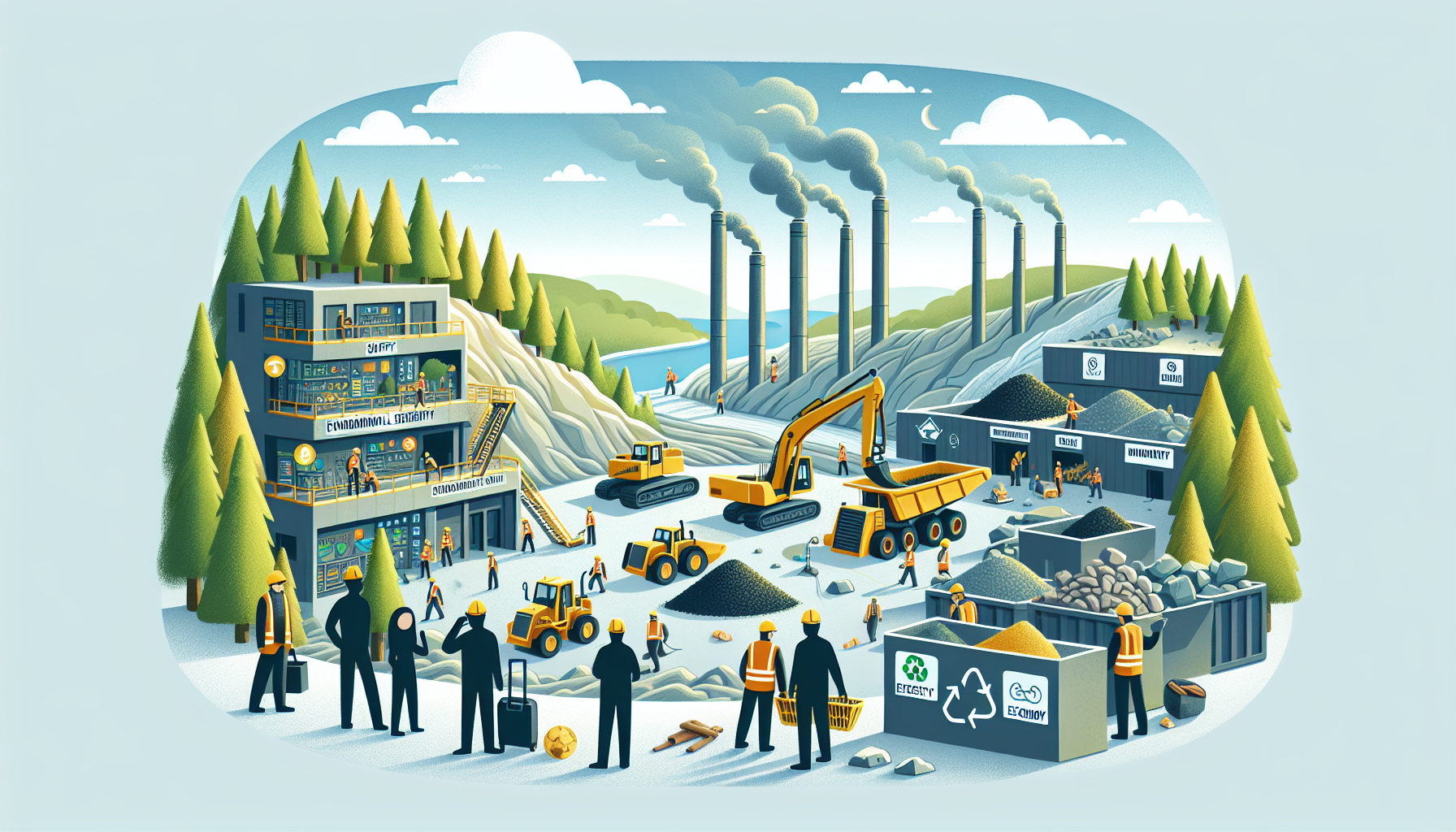
Indigenous rights in the context of mining operations are a crucial and complex issue that involves balancing economic development with the protection of the rights, culture, and lands of Indigenous communities. Mining activities often take place on or near Indigenous territories, raising a range of social, environmental, and human rights concerns. Here are some key considerations regarding Indigenous rights in mining operations:
Free, Prior, and Informed Consent (FPIC)
Free, Prior, and Informed Consent (FPIC) is a critical principle that recognizes the rights of Indigenous peoples to be involved in decisions that affect their lands, territories, and resources. FPIC is rooted in international human rights standards, particularly the United Nations Declaration on the Rights of Indigenous Peoples (UNDRIP) and other international agreements. Here’s a breakdown of the key components of FPIC:
1. Free Consent:
- Voluntary Participation: Consent must be given voluntarily without coercion, intimidation, or manipulation. Indigenous communities should be free to make decisions without external pressure.
- No Undue Influence: There should be no undue influence or external interference that could affect the community’s ability to make an independent decision.
2. Prior Consent:
- Engagement Before Project Initiation: The consultation and consent process should take place before any project planning or implementation begins. This allows Indigenous communities to be involved from the early stages of decision-making.
- Avoiding Imposed Decisions: Projects should not be imposed on Indigenous communities without their prior knowledge and agreement.
3. Informed Consent:
- Access to Information: Indigenous communities have the right to receive comprehensive and understandable information about the nature, scope, and potential impacts of the proposed project.
- Cultural Sensitivity: Information should be provided in a culturally appropriate manner, considering the language, customs, and traditions of the community.
- Impacts and Alternatives: Communities should be informed about both the positive and negative impacts of the project, as well as any feasible alternatives.
4. Consent as Ongoing Process:
- Continuous Dialogue: The process of obtaining consent is not a one-time event but should involve ongoing and meaningful dialogue between the project proponents and the Indigenous communities.
- Adaptability: As the project progresses, Indigenous communities should have the opportunity to revisit and reassess their consent based on new information or changing circumstances.
5. Respecting Collective Rights:
- Community Decision-Making: Consent is often a collective right, requiring the involvement of the entire community or its representative institutions in the decision-making process.
- Respecting Traditional Governance Systems: Indigenous governance structures and decision-making processes should be respected and integrated into the FPIC process.
6. Redress Mechanisms:
- Grievance Mechanisms: Mechanisms for addressing grievances and providing remedies should be established, allowing Indigenous communities to voice concerns and seek redress for any negative impacts.
Importance of FPIC:
- Human Rights: FPIC is fundamental to the protection of Indigenous peoples’ human rights, including the right to self-determination, cultural integrity, and participation in development processes.
- Sustainability: Integrating Indigenous perspectives through FPIC can contribute to more sustainable and culturally sensitive development projects.
- Social License: Obtaining and respecting FPIC can help build trust between project proponents, governments, and Indigenous communities, contributing to the social license for the project.
In summary, FPIC is a key tool for promoting respectful and inclusive decision-making processes, recognizing the autonomy and rights of Indigenous peoples in the face of development projects, including those related to mining operations.
Land and Resource Ownership
Land and resource ownership is a critical aspect of Indigenous rights and plays a central role in the relationship between Indigenous communities and external entities, particularly in the context of activities like mining operations. Here are key considerations related to land and resource ownership for Indigenous peoples:
1. Recognition of Indigenous Land Rights:
- Historical Context: Many Indigenous communities have longstanding connections to their ancestral lands, which may not be fully recognized by national legal systems. Recognition of these historical and cultural ties is crucial.
- Customary Tenure Systems: Indigenous land ownership often differs from Western concepts, relying on customary tenure systems that involve communal or collective ownership. Legal systems should acknowledge and respect these systems.
2. Territorial Integrity:
- Protection Against Encroachment: Indigenous lands should be protected against encroachment, unauthorized use, or exploitation by external parties. Governments and legal systems should enforce measures to safeguard the territorial integrity of Indigenous lands.
3. Freehold Title and Land Titles:
- Access to Freehold Title: Indigenous communities should have the right to pursue freehold title to their lands, granting them secure and exclusive ownership. This is essential for preventing forced displacement and ensuring long-term control.
- Traditional Land Titles: Recognition of traditional land titles based on Indigenous customary laws and practices is crucial. These titles often predate colonial boundaries and legal frameworks.
4. Consent for Land Use:
- Land Use Planning: Indigenous communities should be actively involved in land use planning processes, allowing them to determine how their lands are used and ensuring sustainable development.
- Informed Decision-Making: Any changes to land use, especially those related to resource extraction like mining, should involve informed consent, respecting the principles of Free, Prior, and Informed Consent (FPIC).
5. Resource Ownership and Management:
- Control over Resources: Indigenous communities should have control over the natural resources within their territories, including minerals, water, forests, and wildlife.
- Sustainable Resource Management: Indigenous resource management practices, often based on traditional ecological knowledge, should be recognized and integrated into broader conservation and sustainable development strategies.
6. Preventing Forced Displacement:
- Protection against Displacement: Mining operations and other development projects should not result in the forced displacement of Indigenous communities. Adequate measures should be in place to prevent such displacement, and if unavoidable, fair compensation and alternative arrangements should be provided.
7. International Standards and Agreements:
- UNDRIP: The United Nations Declaration on the Rights of Indigenous Peoples (UNDRIP) emphasizes the right of Indigenous peoples to own, use, develop, and control their lands and resources.
- International Conventions: Governments and corporations should adhere to international agreements and conventions that recognize and protect Indigenous land and resource rights.
8. Legal Protections:
- National Legislation: Countries should enact and enforce laws that specifically protect the land and resource rights of Indigenous communities.
- Judicial Remedies: Access to judicial remedies should be available for Indigenous communities to address land and resource rights violations.
Conclusion:
Land and resource ownership is fundamental to the identity, culture, and well-being of Indigenous communities. Respecting and recognizing Indigenous land rights not only upholds principles of justice and human rights but also contributes to sustainable and equitable development. Collaboration between Indigenous communities, governments, and industry stakeholders is essential to strike a balance between development and the preservation of Indigenous land and resource ownership.
Environmental Impact
The environmental impact of mining operations on Indigenous lands is a significant concern, and addressing these impacts is crucial for sustainable development and the protection of both the environment and the rights of Indigenous communities. Here are key considerations related to the environmental impact of mining on Indigenous lands:
1. Ecosystem Disruption:
- Biodiversity Loss: Mining activities can lead to habitat destruction and fragmentation, resulting in biodiversity loss. This can have adverse effects on plant and animal species, disrupting ecosystems that Indigenous communities rely on for sustenance and cultural practices.
2. Water Pollution:
- Contamination: Mining operations often involve chemicals that can contaminate water sources, affecting both surface water and groundwater. This contamination can have severe consequences for aquatic life and impact the availability of clean water for Indigenous communities.
3. Air Pollution:
- Dust and Emissions: Mining activities, especially in open-pit mining, can generate dust and air pollutants. These pollutants can have health implications for both the environment and nearby Indigenous communities.
4. Soil Degradation:
- Topsoil Removal: Open-pit mining and other extraction methods can result in the removal of large amounts of topsoil. This can lead to soil erosion, degradation, and a loss of fertility, affecting the ability of Indigenous communities to engage in agriculture or traditional land uses.
5. Impact on Sacred Sites:
- Cultural Significance: Mining operations may encroach upon or directly impact areas that hold cultural or spiritual significance for Indigenous communities. The destruction of sacred sites can have profound and lasting effects on the cultural identity of these communities.
6. Reclamation and Rehabilitation:
- Restoration Efforts: Mining companies should implement effective reclamation and rehabilitation plans to restore the land to a state that supports ecological functions and the needs of Indigenous communities. This process should involve the active participation of Indigenous people.
7. Traditional Ecological Knowledge (TEK):
- Incorporation into Planning: Indigenous communities often possess traditional ecological knowledge that can contribute to sustainable resource management. Including this knowledge in environmental impact assessments and planning processes can lead to more informed and sustainable decisions.
8. Cumulative Impacts:
- Consideration of Multiple Projects: Cumulative impacts of multiple mining projects in an area should be assessed. The combined effects on the environment and Indigenous communities can be more significant than individual project impacts.
9. Monitoring and Enforcement:
- Regulatory Oversight: Governments should establish and enforce environmental regulations specific to mining operations, ensuring that companies adhere to standards that protect the environment and Indigenous lands.
- Independent Monitoring: Independent monitoring bodies, including representatives from Indigenous communities, can help ensure that environmental protection measures are implemented effectively.
10. Long-Term Planning:
- Sustainable Development: Mining operations should be part of a broader, sustainable development plan that considers the long-term well-being of both the environment and Indigenous communities.
Conclusion:
Addressing the environmental impact of mining on Indigenous lands requires a holistic and collaborative approach. It involves recognizing the rights of Indigenous communities, incorporating their knowledge into decision-making processes, and implementing effective environmental management practices. Balancing economic development with environmental and cultural preservation is essential to creating a sustainable future for both Indigenous peoples and the broader ecosystem.
Social and Economic Benefits
Ensuring that Indigenous communities receive social and economic benefits from mining operations is crucial for fostering sustainable development, reducing inequality, and respecting the rights of Indigenous peoples. Here are key considerations related to social and economic benefits in the context of mining on Indigenous lands:
1. Equitable Resource Distribution:
- Revenue Sharing: Indigenous communities should receive a fair and equitable share of the revenues generated from mining activities. This can be achieved through negotiated agreements that outline financial benefits, royalties, and revenue-sharing mechanisms.
2. Employment Opportunities:
- Local Hiring Practices: Mining companies should prioritize hiring locally, providing employment opportunities for members of the Indigenous community. Training programs can also be implemented to enhance the skills of community members for various roles in the mining industry.
3. Capacity Building:
- Skill Development: Investments in education, training, and skill development can empower Indigenous individuals to actively participate in and benefit from the various aspects of mining operations. This includes roles beyond direct employment, such as entrepreneurship and community leadership.
4. Infrastructure Development:
- Community Infrastructure: Mining companies should contribute to the development of community infrastructure, such as schools, healthcare facilities, roads, and housing, improving the overall quality of life for Indigenous residents.
5. Cultural Heritage Preservation:
- Cultural Programs and Centers: Allocating funds for the preservation and promotion of Indigenous cultures, languages, and traditions is essential. This can include the establishment of cultural programs, heritage centres, and initiatives that support cultural revitalization.
6. Health and Social Services:
- Access to Healthcare: Indigenous communities should have access to quality healthcare services, including mental health support, to address potential health impacts resulting from mining activities.
- Social Services: Social programs that address the specific needs of Indigenous communities, such as substance abuse prevention or family support services, can contribute to social well-being.
7. Land Use Planning and Management:
- Inclusive Decision-Making: Involving Indigenous communities in land use planning ensures that their perspectives are considered, leading to sustainable resource management and development plans that align with community needs.
8. Business Partnerships:
- Joint Ventures: Collaborative business ventures between mining companies and Indigenous enterprises can provide long-term economic opportunities for Indigenous communities. These partnerships can extend beyond the life of the mining project.
9. Community Consultation:
- Participatory Decision-Making: Ongoing and meaningful consultation with Indigenous communities is vital for identifying their priorities, needs, and aspirations. This participatory approach ensures that development plans align with community values.
10. Long-Term Benefits:
- Sustainable Development Plans: Mining projects should contribute to the development of sustainable economies within Indigenous communities, ensuring that benefits extend beyond the life of the mining operation.
11. Fair Compensation for Land Use:
- Negotiated Agreements: Fair compensation for the use of Indigenous lands should be negotiated transparently and should reflect not only economic considerations but also the cultural and spiritual significance of the land.
Conclusion:
Social and economic benefits from mining operations can contribute to the well-being and self-determination of Indigenous communities. Establishing fair and respectful partnerships between mining companies, governments, and Indigenous peoples is essential for achieving sustainable development that respects cultural values, enhances community resilience, and fosters long-term prosperity.
Human Rights
Respecting human rights in the context of mining operations is essential to ensure the well-being, dignity, and autonomy of individuals and communities, particularly Indigenous populations. Here are key considerations related to human rights in the context of mining:
1. Right to Life and Health:
- Safe Working Conditions: Miners, including Indigenous workers, have the right to safe working conditions. Mining companies must implement measures to prevent accidents, and exposure to harmful substances, and ensure access to healthcare.
2. Right to Water and Sanitation:
- Protection of Water Sources: Mining activities should not compromise access to clean water for local communities, including Indigenous populations. Preventing water pollution and ensuring water security are critical components of human rights protection.
3. Right to Adequate Housing:
- Avoiding Forced Displacement: Mining operations should avoid causing forced displacement of communities. If displacement is unavoidable, affected individuals and communities have the right to adequate housing, compensation, and assistance in rebuilding their lives.
4. Right to Free, Prior, and Informed Consent (FPIC):
- Participation in Decision-Making: Indigenous communities have the right to participate in decisions that affect their lands and resources. FPIC ensures that decisions related to mining operations are made with the full and informed consent of the affected communities.
5. Right to Work and Just Conditions of Employment:
- Fair Employment Practices: All workers, including those from Indigenous communities, have the right to fair wages, safe working conditions, and protection against discrimination. Exploitative labour practices should be strictly prohibited.
6. Right to Cultural Identity:
- Protection of Cultural Heritage: Mining operations should respect and protect the cultural identity of Indigenous communities, including their languages, traditions, and sacred sites. Avoiding cultural harm and ensuring cultural preservation are integral to human rights.
7. Right to Education:
- Access to Education: Indigenous children and community members should have equal access to quality education. Mining companies should support educational initiatives that benefit the local population.
8. Right to Information:
- Transparency: Access to information about the potential impacts of mining operations is crucial for affected communities. Transparency ensures that individuals can make informed decisions about their lives and environments.
9. Right to a Healthy Environment:
- Preventing Environmental Harm: Indigenous communities have the right to live in a healthy environment. Mining operations should not cause undue harm to the environment, which can have direct and indirect consequences on the health of local populations.
10. Right to Social and Economic Development:
- Equitable Development Opportunities: Mining projects should contribute to the social and economic development of local communities, ensuring that benefits are distributed fairly and that no one is left behind.
11. Access to Justice and Remedies:
- Grievance Mechanisms: Adequate and effective mechanisms for addressing grievances related to human rights violations must be in place. This includes providing affected individuals and communities with access to justice and remedies.
Conclusion:
Respecting human rights in mining operations involves a comprehensive approach that considers the rights of workers, communities, and, in particular, Indigenous populations. Governments, mining companies, and other stakeholders must collaborate to establish and enforce policies that protect human rights, fostering sustainable and socially responsible practices in the mining industry.
Discover more from AllMinings
Subscribe to get the latest posts sent to your email.