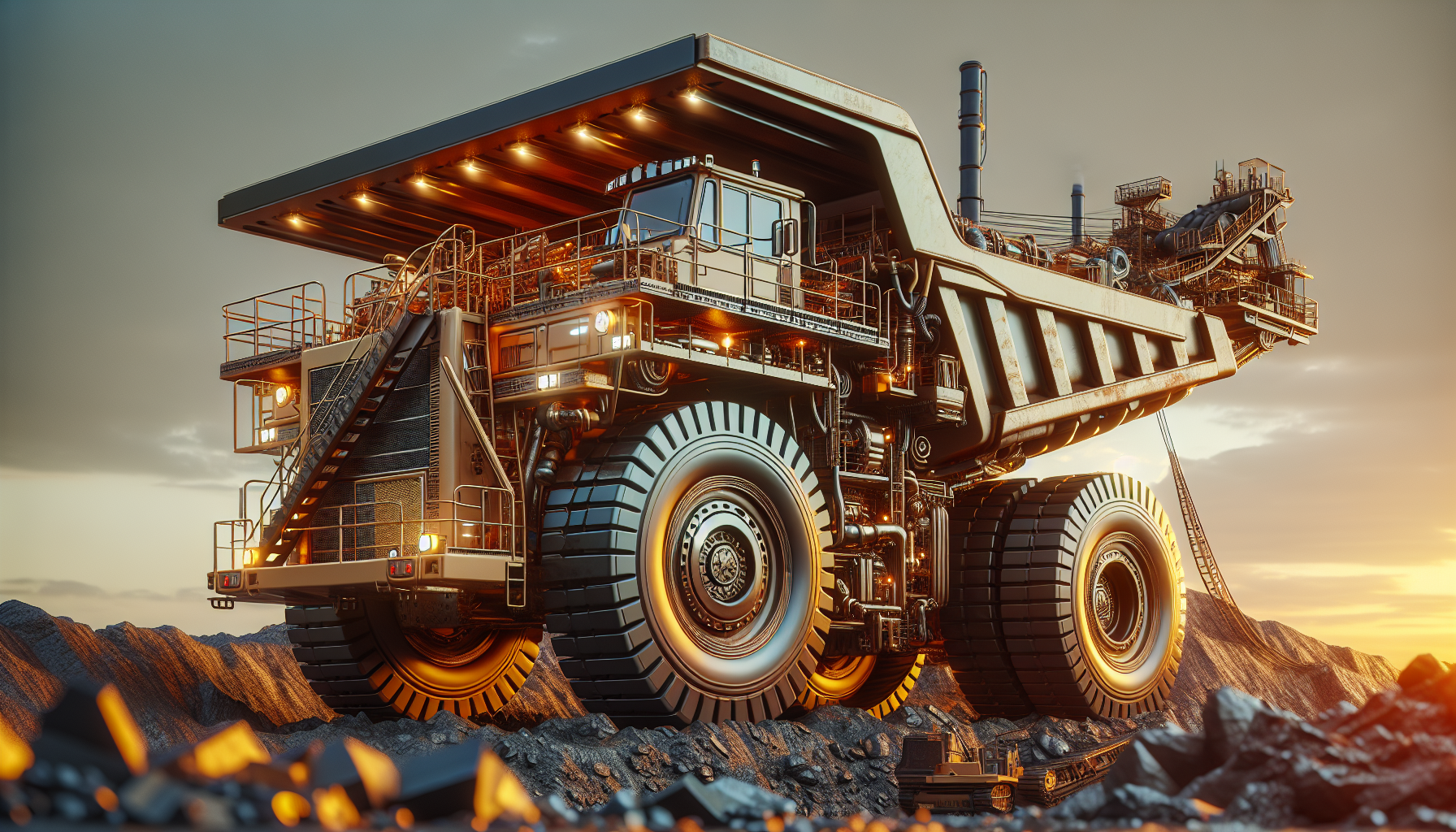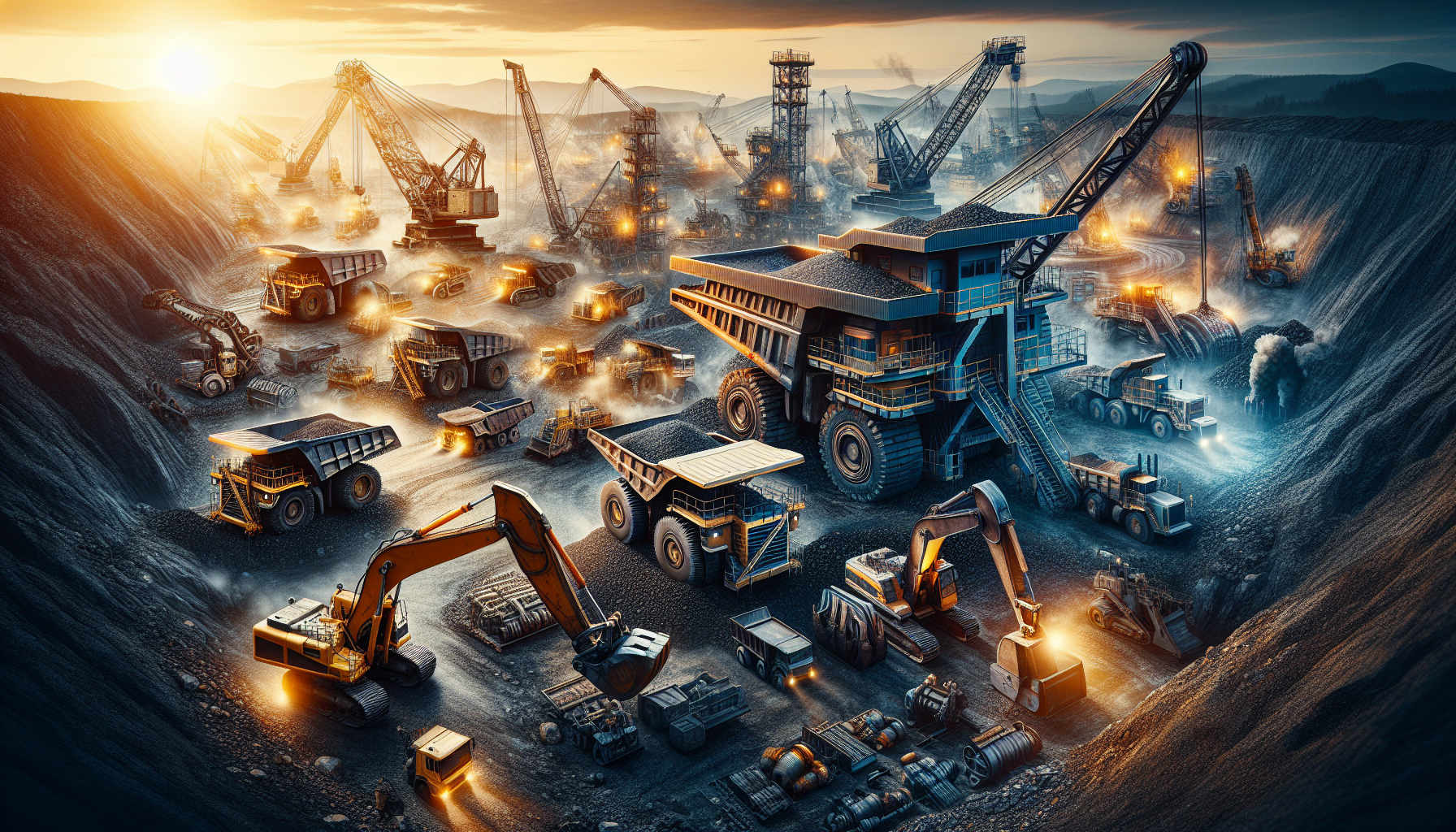
Equipment selection in mining is a complex and crucial process that involves choosing the right machinery and tools. It optimises productivity, safety, and cost-efficiency in various mining operations. Here are the key steps and considerations for equipment selection in mining:
Define the Mining Operation
Defining a mining operation involves providing a clear description and understanding of the activities, processes, and objectives involved in extracting valuable resources from the Earth’s crust. Here’s a detailed definition:
A mining operation is a structured and systematic process of extracting, processing and recovering valuable minerals, metals, or other geological materials from their natural deposits within the Earth’s surface or subsurface. These operations are undertaken to obtain economically viable quantities of resources for various industrial, commercial, or scientific purposes.
Key components of defining a mining operation include:
- Type of Mining: This specifies the method employed to access and extract the desired material. Common types of mining operations include:
- Surface Mining: This involves the removal of overlying material (such as soil, rock, or vegetation) to access the valuable deposit. Examples include open-pit mining, quarrying, and mountaintop removal.
- Underground Mining: This involves tunnelling into the Earth to access and extract deposits located beneath the surface. It’s used when resources are located too deep for surface mining or when ground conditions make surface mining impractical.
- Nature of the Resource: This identifies the material being targeted for extraction. It can include:
- Metals: Such as gold, silver, copper, iron, and aluminium.
- Minerals: Such as coal, salt, gypsum, limestone, and phosphate.
- Gems and Precious Stones: Such as diamonds, emeralds, and sapphires.
- Geographical Location: This provides information about the specific site or region where the mining operation will take place. It includes details such as coordinates, proximity to infrastructure, and accessibility.
- Mining Plan: This outlines the detailed strategy for conducting the mining operation. It covers aspects like the sequence of activities, extraction methods, transportation of extracted material, and waste management.
- Resource Estimation: This involves assessing the size, quality, and economic viability of the deposit. It includes techniques like geological surveys, drilling, and sampling.
- Production Targets: This sets forth the anticipated quantities of material to be extracted over a defined period. It’s based on factors like market demand, processing capabilities, and operational constraints.
- Safety and Environmental Considerations: This addresses measures and protocols to ensure the safety of workers and mitigate environmental impacts. It includes compliance with regulatory standards and the implementation of best practices.
- Equipment and Technology: This outlines the machinery, tools, and technology that will be utilized in the mining operation. It includes considerations for equipment selection, maintenance, and technological advancements.
- Financial Considerations: This covers the budgeting and financial planning for the mining operation. It includes capital expenditure, operational costs, revenue projections, and return on investment analysis.
- Legal and Regulatory Compliance: This ensures that the mining operation adheres to all relevant laws, regulations, permits, and licenses governing mining activities in the specific jurisdiction.
Defining a mining operation is a critical step in planning and executing mining activities efficiently, safely, and sustainably. It forms the basis for all subsequent decisions and actions throughout the life cycle of the operation.
Assess Geological and Geotechnical Conditions
Assessing geological and geotechnical conditions is a fundamental step in any mining operation. It involves a detailed examination of the physical and structural characteristics of the Earth’s crust at a specific mining site. This assessment is crucial for making informed decisions about the feasibility, safety, and efficiency of mining activities. Here’s a breakdown of how this assessment is carried out:
- Geological Mapping and Surveying:
- Conduct a comprehensive geological survey of the site. This includes mapping the surface geology, and identifying rock types, mineralization patterns, and geological structures (e.g., faults, folds).
- Analyze existing geological data and historical records, if available, to gain a deeper understanding of the geological history of the area.
- Subsurface Exploration:
- Conduct subsurface exploration through techniques such as drilling, core sampling, and borehole logging. This provides information about the composition and characteristics of the rock layers below the surface.
- Analyze the core samples for mineral content, grain size, hardness, permeability, and other relevant properties.
- Geotechnical Site Investigation:
- Evaluate the physical and mechanical properties of the rock or soil mass. This includes parameters like cohesion, internal friction angle, density, and porosity.
- Assess the stability of the ground, including potential risks of landslides, rockfalls, or ground movement.
- Groundwater and Hydrogeological Studies:
- Study the presence and behaviour of groundwater in the area. Identify water tables, aquifers, and potential sources of water that could affect mining operations.
- Assess the potential for water inflow into excavations and develop strategies for dewatering if necessary.
- Seismic and Seismographic Surveys:
- Conduct seismic surveys to evaluate the seismic activity and potential for ground movements in the area. This is crucial for assessing the stability of underground mining operations.
- Geophysical Surveys:
- Utilize geophysical techniques (e.g., resistivity, magnetometry, gravity surveys) to provide insights into subsurface structures, faults, and variations in rock properties.
- Rock Mass Classification and Rating:
- Apply rock mass classification systems (e.g., RMR, Q-system) to categorize the rock mass based on factors like jointing, bedding, and overall rock quality.
- Geological Modeling and 3D Visualization:
- Use geological software to create three-dimensional models of the deposit, incorporating geological, geotechnical, and structural data. This aids in visualization and planning.
- Risk Assessment and Mitigation:
- Identify potential geological hazards and risks, such as unstable ground conditions or geological events. Develop strategies and engineering solutions to mitigate these risks.
- Data Integration and Interpretation:
- Integrate all collected data to create a comprehensive geological and geotechnical model of the site. Interpret the data to make informed decisions about mining methods, support systems, and safety measures.
- Continuous Monitoring:
- Implement monitoring systems to track changes in geological and geotechnical conditions over time. This helps in the early detection of potential hazards and allows for timely adjustments in mining operations.
Assessing geological and geotechnical conditions provides critical information for designing safe and efficient mining operations. It forms the basis for engineering solutions, support design, and risk management throughout the life of the mining project.
Estimate Production Requirements
Estimating production requirements is a crucial step in the planning of any mining operation. It involves determining the quantity of material that needs to be extracted, processed, and delivered within a specific time frame to meet the operational goals. Here’s how you can go about it:
- Define the Production Goal:
- Begin by setting clear and realistic production targets. These targets should be based on market demand, financial considerations, and the capacity of processing facilities.
- Consider Resource Reserves:
- Utilize resource estimation data obtained during the geological assessment to understand the total quantity of economically recoverable material available in the deposit.
- Evaluate Mining Rate:
- Determine the rate at which material can be safely and efficiently extracted from the deposit. This involves considering factors such as the type of mining (e.g., surface or underground) and the capacity of mining equipment.
- Factor in Operational Efficiency:
- Consider the efficiency of the mining and processing equipment. Account for downtime, maintenance, and any other factors that may affect the actual production rate.
- Account for Dilution and Losses:
- Recognize that during the mining process, there may be dilution (inclusion of lower-grade material) and losses (due to handling and processing). These factors should be estimated and factored into the production requirements.
- Consider Processing Constraints:
- Evaluate the capacity and capabilities of processing plants and facilities. Ensure they have the capability to handle the expected volume of material and meet quality specifications.
- Assess Transportation and Logistics:
- Consider the transportation requirements for moving material from the extraction site to processing facilities and ultimately to the market. This includes evaluating the capacity of trucks, conveyors, and other transport methods.
- Incorporate Safety Margins:
- Include safety margins in the production estimates to account for unforeseen circumstances, variations in geological conditions, and unexpected operational challenges.
- Comply with Environmental Regulations:
- Ensure that production estimates align with environmental regulations, especially with regard to waste management, reclamation, and restoration of the mining site.
- Consider Seasonal Variations:
- Account for any seasonal variations that may affect production, such as weather conditions that could impact mining or transportation operations.
- Balance Ore and Waste Material:
- Optimize the mining plan to extract the highest-grade material first, minimizing the extraction of low-grade or waste material. This can improve overall production efficiency.
- Regularly Review and Adjust Estimates:
- Continuously monitor production performance and adjust estimates based on actual operational data and feedback from the field.
- Document and Communicate Estimates:
- Clearly document the production estimates and communicate them to all relevant stakeholders, including operational teams, management, and investors.
Remember, production estimates serve as a foundation for operational planning, budgeting, and resource allocation. They should be based on sound geological and engineering data and be regularly reviewed and adjusted as the mining operation progresses.
Consider Environmental and Safety Regulations
Considering environmental and safety regulations is a critical aspect of planning and executing any mining operation. Adhering to these regulations ensures the protection of the environment, the safety of workers, and compliance with legal requirements. Here’s how you can go about it:
- Regulatory Research and Compliance:
- Conduct a thorough review of local, regional, and national regulations governing mining activities in the specific jurisdiction. This includes environmental laws, occupational safety and health standards, and any special requirements for mining operations.
- Environmental Impact Assessment (EIA):
- Conduct an EIA to evaluate the potential environmental impacts of the mining operation. This includes assessing factors like air and water quality, biodiversity, land use, and socio-economic impacts on local communities.
- Permitting and Licensing:
- Obtain all necessary permits and licenses required for the mining operation. This may include permits for water usage, air emissions, waste disposal, and land disturbance.
- Comprehensive Waste Management Plan:
- Develop a detailed plan for the management and disposal of waste materials generated during mining operations. This includes strategies for handling overburden, tailings, and other by-products.
- Reclamation and Restoration Planning:
- Develop a reclamation plan that outlines how the land will be restored and rehabilitated once mining activities are completed. This should align with regulatory requirements and community expectations.
- Pollution Prevention and Control Measures:
- Implement measures to prevent or minimize pollution, including dust control, erosion control, and containment of potentially hazardous substances.
- Water Management and Conservation:
- Implement strategies to manage water resources responsibly, including measures for groundwater protection, sediment control, and the prevention of water contamination.
- Hazardous Material Handling and Storage:
- Establish safe handling, storage, and disposal practices for hazardous materials such as fuels, lubricants, chemicals, and explosives used in mining operations.
- Worker Safety and Health Measures:
- Implement comprehensive safety and health protocols to protect workers from hazards associated with mining activities. This includes training, personal protective equipment (PPE), and emergency response plans.
- Air Quality Monitoring and Control:
- Implement monitoring systems to assess air quality and control emissions of particulates, gases, and other pollutants generated by mining activities.
- Community Engagement and Communication:
- Engage with local communities and stakeholders to address concerns, provide information about the mining operation, and seek input on environmental and safety matters.
- Regular Audits and Inspections:
- Conduct regular internal and external audits to ensure compliance with environmental and safety regulations. Address any identified issues promptly.
- Emergency Response and Contingency Planning:
- Develop and implement robust emergency response plans to handle potential accidents, spills, or other unexpected events. Conduct drills and training exercises to ensure readiness.
- Environmental Monitoring and Reporting:
- Establish a system for ongoing environmental monitoring and reporting to track compliance with regulations and assess the effectiveness of environmental protection measures.
- Continuous Improvement and Adaptation:
- Stay updated with evolving environmental and safety regulations. Adapt operational practices as necessary to meet new requirements and industry best practices.
By prioritizing environmental protection and worker safety, mining operations can operate responsibly and sustainably, gaining social acceptance and minimizing potential impacts on the environment and surrounding communities.
Evaluate Equipment Options
Evaluating equipment options is a critical step in the planning and execution of any mining operation. It involves a systematic assessment of available machinery and tools to ensure they are well-suited for the specific requirements and conditions of the mining site. Here’s a detailed guide on how to evaluate equipment options:
- Understand Operational Requirements:
- Clearly define the tasks and functions that the equipment will perform in the mining operation. This includes tasks such as excavation, hauling, drilling, crushing, and material handling.
- Consider Mining Method and Scale:
- Take into account the type of mining (e.g., surface, underground, open-pit) and the scale of the operation. Different methods may require specialized equipment.
- Evaluate Equipment Categories:
- Consider the main categories of mining equipment, which may include:
- Excavation Equipment: such as bulldozers, excavators, and loaders.
- Haulage Equipment: including trucks, conveyors, and haulage systems.
- Drilling and Blasting Equipment: like drills, explosives, and blasting systems.
- Material Handling Equipment: such as crushers, screens, and conveyor belts.
- Support and Safety Equipment: including ventilation systems, support structures, and safety gear.
- Consider the main categories of mining equipment, which may include:
- Assess Equipment Specifications:
- Review the technical specifications of each equipment option, including capacity, power, speed, and size. Ensure they align with the operational requirements.
- Consider Equipment Mobility:
- Evaluate whether stationary or mobile equipment is needed. This depends on factors like the size of the mining area, depth of excavation, and type of material being mined.
- Evaluate Equipment Performance:
- Consider the performance metrics of each option, including production rates, cycle times, fuel efficiency, and reliability. Performance should meet or exceed production targets.
- Factor in Environmental Impact:
- Consider the environmental impact of each equipment option, including emissions, noise levels, and potential effects on local ecosystems. Opt for environmentally friendly alternatives when possible.
- Assess Equipment Lifecycle Costs:
- Evaluate the total cost of ownership over the equipment’s expected lifespan. This includes the initial purchase price, maintenance, repairs, fuel, and potential resale value.
- Consider Equipment Compatibility:
- Ensure that selected equipment can work efficiently together in the mining process. This includes compatibility in terms of size, capacity, and functionality.
- Safety Features and Ergonomics:
- Prioritize equipment with advanced safety features and ergonomic design to minimize the risk of accidents and promote operator well-being.
- Maintenance and Support:
- Consider the availability of spare parts, accessibility for maintenance, and support from manufacturers or dealers. Easily maintainable equipment is often preferred.
- Energy Efficiency and Automation:
- Assess the energy efficiency of the equipment and consider options with advanced automation and control systems to enhance efficiency.
- Evaluate Technological Advancements:
- Stay updated with the latest technological advancements in mining equipment. Newer models often come with improved efficiency, safety features, and productivity.
- Seek Expert Advice:
- Consult with equipment manufacturers, engineers, and industry experts to get insights and recommendations based on their expertise and experience.
- Cost-Benefit Analysis:
- Conduct a comprehensive cost-benefit analysis to compare different equipment options and select the most economically viable solution.
- Consider Lease vs. Purchase Options:
- Evaluate whether it’s more cost-effective to lease or purchase the equipment, taking into account financial considerations and the duration of the mining project.
Remember, the selection of mining equipment should be tailored to the specific requirements and conditions of each mining operation. It’s a critical decision that can significantly impact the efficiency, safety, and success of the mining project.
Factor in Equipment Mobility
Factor in equipment mobility is a crucial consideration in mining operations, as it directly impacts the efficiency and effectiveness of extracting resources. The choice between stationary and mobile equipment depends on the nature of the mining operation, geological conditions, and the need for flexibility in resource extraction. Here’s how to factor in equipment mobility:
- Define Mining Operation Type:
- Determine whether the mining operation will be predominantly surface, underground, open-pit, or a combination of these. Each type may have different mobility requirements.
- Consider Geological Conditions:
- Evaluate the geological and geotechnical conditions of the site. For example, if the terrain is unstable or features steep slopes, mobility may be a critical factor in equipment selection.
- Accessibility of Resources:
- Analyze the accessibility of the resources. In some cases, the resources may be dispersed across a large area, necessitating the use of mobile equipment for efficient extraction.
- Depth of Mining Operation:
- Consider the depth at which the resources are located. Deeper deposits may require more sophisticated and mobile equipment for efficient extraction and transportation.
- Resource Distribution and Concentration:
- Determine whether the resources are evenly distributed or concentrated in specific areas. Mobile equipment may be necessary if resources are scattered across a wide area.
- Flexibility in Resource Extraction:
- Assess whether the mining operation requires the flexibility to adapt to changing resource locations. Mobile equipment provides the versatility needed for such scenarios.
- Environmental and Regulatory Considerations:
- Factor in environmental and regulatory requirements. In some cases, stationary equipment may be mandated due to environmental impact concerns.
- Consideration of Waste Disposal:
- Evaluate the disposal of waste materials. Mobile equipment may be needed for efficient removal and containment of overburden or waste materials.
- Transportation to Processing Facilities:
- Analyze how the extracted material will be transported to processing facilities or points of use. Mobile equipment may be necessary for this purpose.
- Operational Costs and Efficiency:
- Compare the operational costs and efficiency of mobile and stationary equipment. Consider factors like fuel consumption, maintenance, and productivity.
- Infrastructure Requirements:
- Determine the infrastructure needed to support mobile equipment, such as roads, ramps, or tracks. This infrastructure may impact the feasibility of using mobile machinery.
- Safety and Operator Training:
- Consider the safety implications of using mobile equipment, including operator training, safe operation practices, and risk management.
- Future Expansion and Scalability:
- Anticipate future needs for expansion or changes in the mining operation. Mobile equipment can offer greater adaptability to evolving operational requirements.
- Integration with Processing Systems:
- Ensure that the chosen equipment, whether stationary or mobile, can effectively integrate with processing systems downstream.
- Regulatory Compliance:
- Verify that the chosen mobility option aligns with local, state, and national regulations regarding equipment use and mobility in mining operations.
Balancing equipment mobility with other factors like safety, cost, and operational efficiency is crucial for making the best decision for a specific mining operation. It’s essential to conduct a comprehensive assessment to determine the optimal level of mobility required.
Analyze Equipment Compatibility
Analyzing equipment compatibility is a critical step in ensuring the smooth and efficient operation of a mining project. It involves evaluating whether the selected machinery and tools work harmoniously together to achieve the desired production goals. Here’s how you can go about it:
- Define Operational Processes:
- Clearly outline the various stages and processes involved in the mining operation, from extraction to processing and transportation.
- Identify Key Equipment Types:
- List the specific types of equipment that will be used in each stage of the operation, such as excavators, trucks, crushers, conveyors, etc.
- Evaluate Capacity and Throughput:
- Ensure that each piece of equipment has the capacity and throughput necessary to handle the volume of material it will encounter in its respective stages of the process.
- Match Feeding and Output Rates:
- Ensure that the feeding rate of material into each piece of equipment aligns with the output rate of the preceding piece of equipment. This prevents bottlenecks or overloading.
- Check Size and Compatibility:
- Verify that equipment sizes are compatible with one another. For example, the size of the loader’s bucket should be suitable for the capacity of the trucks it’s loading.
- Evaluate Power and Energy Requirements:
- Ensure that the power supply and energy requirements of each piece of equipment are compatible with the available infrastructure and power sources on-site.
- Consider Material Compatibility:
- Confirm that the equipment is designed to handle the specific type of material being extracted, whether it’s coal, ore, rock, or other substances.
- Evaluate Mobility and Accessibility:
- Ensure that mobile equipment can easily access and operate in the designated areas of the mining site. For stationary equipment, consider accessibility for maintenance and operation.
- Integrate Control Systems:
- Ensure that the control systems of different pieces of equipment can communicate and work together efficiently, especially if they need to be synchronized for specific processes.
- Check Complementary Functions:
- Ensure that the equipment functions complement each other. For example, if a crusher is used, ensure there’s an effective screening system downstream to sort and classify material.
- Assess Safety Features:
- Verify that the safety features of each piece of equipment align with the overall safety protocols and standards set for the mining operation.
- Consider Environmental Impact:
- Ensure that the operation of the equipment, as a whole, meets environmental regulations and minimizes impacts such as emissions, noise, and vibrations.
- Evaluate Maintenance and Service Compatibility:
- Consider whether maintenance and service schedules for different pieces of equipment can be coordinated to minimize downtime and optimize operational efficiency.
- Plan for Backup and Redundancy:
- Have contingency plans in place, including backup equipment or redundant systems, to handle unforeseen situations or equipment failures.
- Test for Interoperability:
- Conduct compatibility tests, especially for integrated systems or equipment that need to work in tandem. Identify and address any interoperability issues.
- Continuous Monitoring and Adaptation:
- Implement systems to continuously monitor equipment performance and compatibility, and be prepared to make adjustments as needed based on operational data.
By thoroughly analyzing equipment compatibility, you ensure that the various components of the mining operation work together seamlessly, maximizing efficiency and productivity while minimizing potential issues or bottlenecks.
Assess Equipment Lifecycle Costs
Assessing equipment lifecycle costs is a crucial aspect of planning and budgeting for a mining operation. It involves estimating the total cost of owning and operating equipment over its entire lifespan, including acquisition, operation, maintenance, and eventual disposal or replacement. Here’s how you can go about it:
- Initial Purchase Price:
- Begin by obtaining quotes and pricing information for the equipment you intend to purchase. Consider factors such as model, brand, capacity, and any optional features.
- Consider Financing Options:
- Evaluate different financing options, including purchasing outright, leasing, or entering into rental agreements. Consider interest rates, down payments, and terms.
- Account for Transportation and Installation Costs:
- Include costs associated with transporting the equipment to the site and any expenses related to installation, setup, and commissioning.
- Maintenance and Repair Costs:
- Estimate the costs associated with routine maintenance, repairs, and servicing of the equipment over its operational life. Consider both scheduled and unscheduled maintenance.
- Spare Parts and Consumables:
- Factor in the costs of spare parts, wear components, and consumables needed to keep the equipment operational. This includes items like filters, belts, lubricants, and tires.
- Fuel and Energy Consumption:
- Estimate the ongoing costs of fuel or energy required to operate the equipment. Consider the type of fuel (e.g., diesel, electricity) and prevailing energy prices.
- Operator Training and Labor Costs:
- Include expenses related to operator training, salaries, benefits, and any associated labour costs for running and maintaining the equipment.
- Insurance and Taxes:
- Account for insurance premiums and any applicable taxes or licensing fees associated with owning and operating the equipment.
- Resale Value and Depreciation:
- Estimate the anticipated resale value of the equipment at the end of its useful life. Consider how depreciation affects the value of the equipment over time.
- Downtime and Productivity Losses:
- Factor in potential losses due to equipment downtime for maintenance, repairs, or unexpected failures. Consider the impact on production and revenue.
- Replacement or Upgrade Costs:
- Plan for potential costs associated with replacing or upgrading the equipment in the future, especially if technology or regulatory standards change.
- Environmental Compliance Costs:
- Consider any expenses related to ensuring the equipment meets environmental standards, including emissions controls and compliance with regulatory requirements.
- Disposal and Decommissioning Costs:
- Estimate the costs associated with decommissioning and disposing of the equipment at the end of its useful life, including any environmental remediation.
- Inflation and Economic Factors:
- Consider how inflation and changes in economic conditions may affect the costs associated with equipment ownership and operation over time.
- Net Present Value (NPV) Analysis:
- Use financial analysis techniques like Net Present Value to evaluate the present value of all cash flows associated with the equipment over its lifespan.
- Total Cost of Ownership (TCO) Calculation:
- Calculate the Total Cost of Ownership by summing up all the costs associated with acquiring, operating, and maintaining the equipment over its entire lifecycle.
By conducting a comprehensive assessment of equipment lifecycle costs, you can make informed decisions about equipment selection, budget allocation, and resource planning for your mining operation. This ensures that you have a clear understanding of the financial implications of equipment ownership and operation over time.
Consider Equipment Versatility
Considering equipment versatility is an important aspect of optimizing a mining operation. Versatile equipment can adapt to different tasks and phases of the mining process, making it more efficient and cost-effective. Here are the steps to consider equipment versatility:
- Define Operational Needs:
- Clearly outline the range of tasks and functions that the equipment will be required to perform. This includes tasks such as excavation, hauling, drilling, crushing, and material handling.
- Evaluate Multi-Functionality:
- Assess whether the equipment can perform multiple functions or tasks within the mining process. For example, can a loader also be used for stockpiling or reclamation?
- Consider Attachments and Accessories:
- Evaluate whether the equipment can be fitted with a variety of attachments or accessories to enhance its functionality. For example, can a bulldozer be equipped with different types of blades or rippers?
- Assess Interchangeability:
- Consider whether components or parts of the equipment can be easily interchanged to adapt to different tasks or conditions. This could include changing out buckets, blades, or other attachments.
- Evaluate Adaptability to Different Environments:
- Determine whether the equipment can operate efficiently in various environmental conditions, such as different types of terrain, climate, or temperature ranges.
- Consider Automation and Technology Integration:
- Assess whether the equipment can be integrated with automation and technology solutions that enhance its versatility. For example, can it be equipped with GPS systems or telematics for precise control?
- Evaluate Adjustability and Customization:
- Consider whether the equipment can be adjusted or customized to meet specific operational requirements. This could include settings for different materials or tasks.
- Assess Mobility and Accessibility:
- Evaluate whether the equipment is mobile and easily maneuverable within the mining site, allowing it to adapt to different locations or phases of the operation.
- Check for Operator Training and Familiarity:
- Consider whether operators can easily transition between different tasks or functions with minimal training or re-familiarization.
- Factor in Safety Features:
- Ensure that the equipment’s safety features are versatile enough to provide protection across a range of tasks and conditions.
- Consider Maintenance and Serviceability:
- Assess whether the equipment is designed for easy maintenance and service, allowing for quick adjustments or modifications to adapt to changing needs.
- Account for Environmental Impact:
- Consider how the versatility of the equipment may impact the environment. Versatile equipment may allow for more efficient use of resources or a reduced environmental footprint.
- Budget Considerations:
- Factor in any additional costs associated with equipping the equipment for versatility, such as purchasing attachments or accessories.
- Consult with Equipment Manufacturers:
- Seek advice from equipment manufacturers or dealers who can provide insights into the versatility and adaptability of specific models.
- Test and Trial Equipment (if possible):
- Conduct pilot tests or trials with the equipment to assess its performance and adaptability to different tasks and conditions.
By considering equipment versatility, you can select machinery that can adapt to the changing needs of the mining operation, potentially improving productivity and efficiency. This flexibility can be a valuable asset in a dynamic mining environment.
Prioritize Safety and Ergonomics
Prioritizing safety and ergonomics in a mining operation is paramount to ensuring the well-being of workers and minimizing accidents or health hazards. Here’s how you can effectively prioritize safety and ergonomics:
- Safety Regulations and Compliance:
- Familiarize yourself with all relevant local, state, and national safety regulations governing mining operations. Ensure strict adherence to these standards.
- Safety Training and Education:
- Provide comprehensive safety training to all personnel involved in the mining operation. This should cover equipment operation, emergency procedures, and hazard awareness.
- Hazard Identification and Risk Assessment:
- Conduct thorough assessments to identify potential hazards and risks associated with the specific mining operation. Develop strategies to mitigate these risks.
- Safety Equipment and PPE:
- Ensure that all workers have access to and are trained in the proper use of personal protective equipment (PPE) such as helmets, safety glasses, gloves, and high-visibility clothing.
- Emergency Response Planning:
- Develop detailed emergency response plans for various scenarios, including fires, explosions, collapses, and medical emergencies. Conduct regular drills to ensure readiness.
- Safety Inspections and Audits:
- Conduct regular safety inspections and audits to identify and rectify potential hazards, equipment malfunctions, and non-compliance with safety protocols.
- Safe Work Procedures:
- Establish clear and standardized operating procedures for all tasks within the mining operation. Ensure that workers are trained in and adhere to these procedures.
- Equipment Safety Features:
- Select and maintain equipment with advanced safety features, such as automatic braking systems, proximity sensors, and warning alarms for operators.
- Ergonomics and Workstation Design:
- Design workstations and equipment interfaces with ergonomics in mind to minimize strain and discomfort for operators. Consider factors like posture, reach, and visibility.
- Ventilation and Air Quality:
- Implement proper ventilation systems to ensure good air quality within confined spaces and prevent the buildup of hazardous gases or dust.
- Hearing Protection and Noise Control:
- Provide hearing protection for workers exposed to loud machinery or environments. Implement noise control measures to reduce exposure levels.
- Visibility and Lighting:
- Ensure adequate lighting in all work areas to prevent accidents due to poor visibility. Consider additional lighting for night shifts or areas with limited natural light.
- Fatigue Management:
- Implement measures to manage worker fatigue, such as regular breaks, shift rotations, and adequate rest periods. Fatigue can lead to impaired judgment and increased accident risk.
- Preventative Maintenance:
- Conduct regular preventative maintenance on equipment to identify and address potential safety hazards before they become serious issues.
- Safety Culture and Communication:
- Foster a culture of safety where all workers feel comfortable reporting safety concerns or incidents. Encourage open communication and provide channels for anonymous reporting if necessary.
- Incident Reporting and Investigation:
- Establish clear protocols for reporting incidents or near-misses, and conduct thorough investigations to determine root causes and implement corrective actions.
- Continuous Training and Education:
- Provide ongoing safety training to keep workers updated on best practices, new equipment, and evolving safety standards.
By prioritizing safety and ergonomics, you create a safer and more efficient work environment, reducing the risk of accidents and ensuring the well-being of all workers involved in the mining operation.
Discover more from AllMinings
Subscribe to get the latest posts sent to your email.