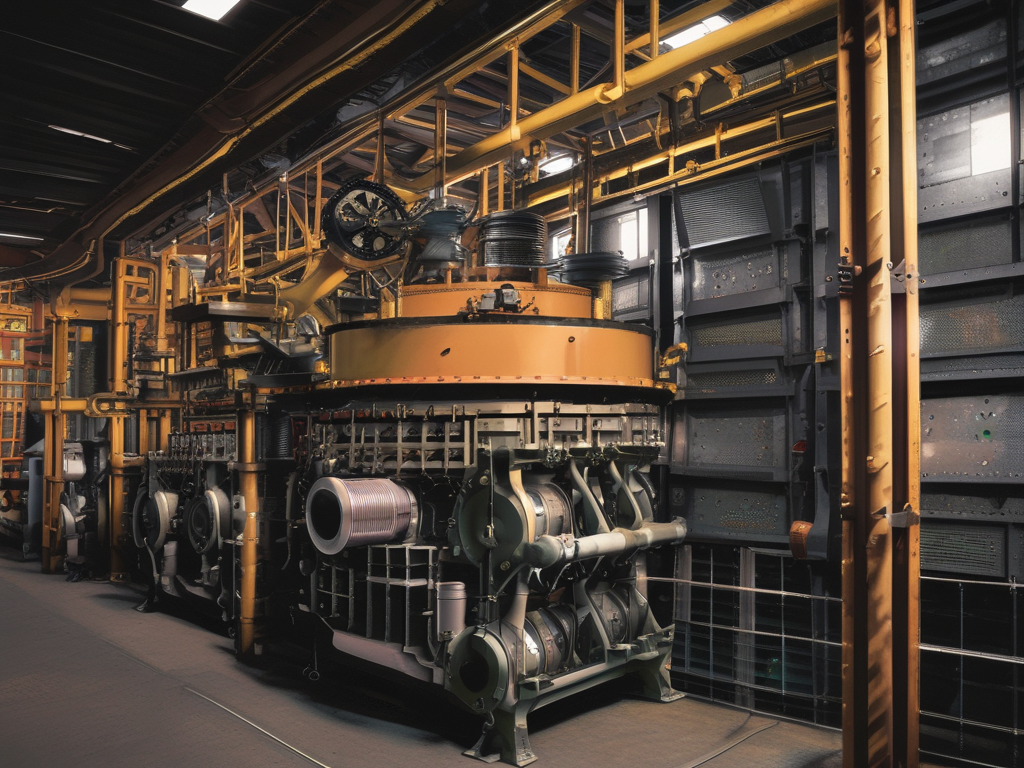
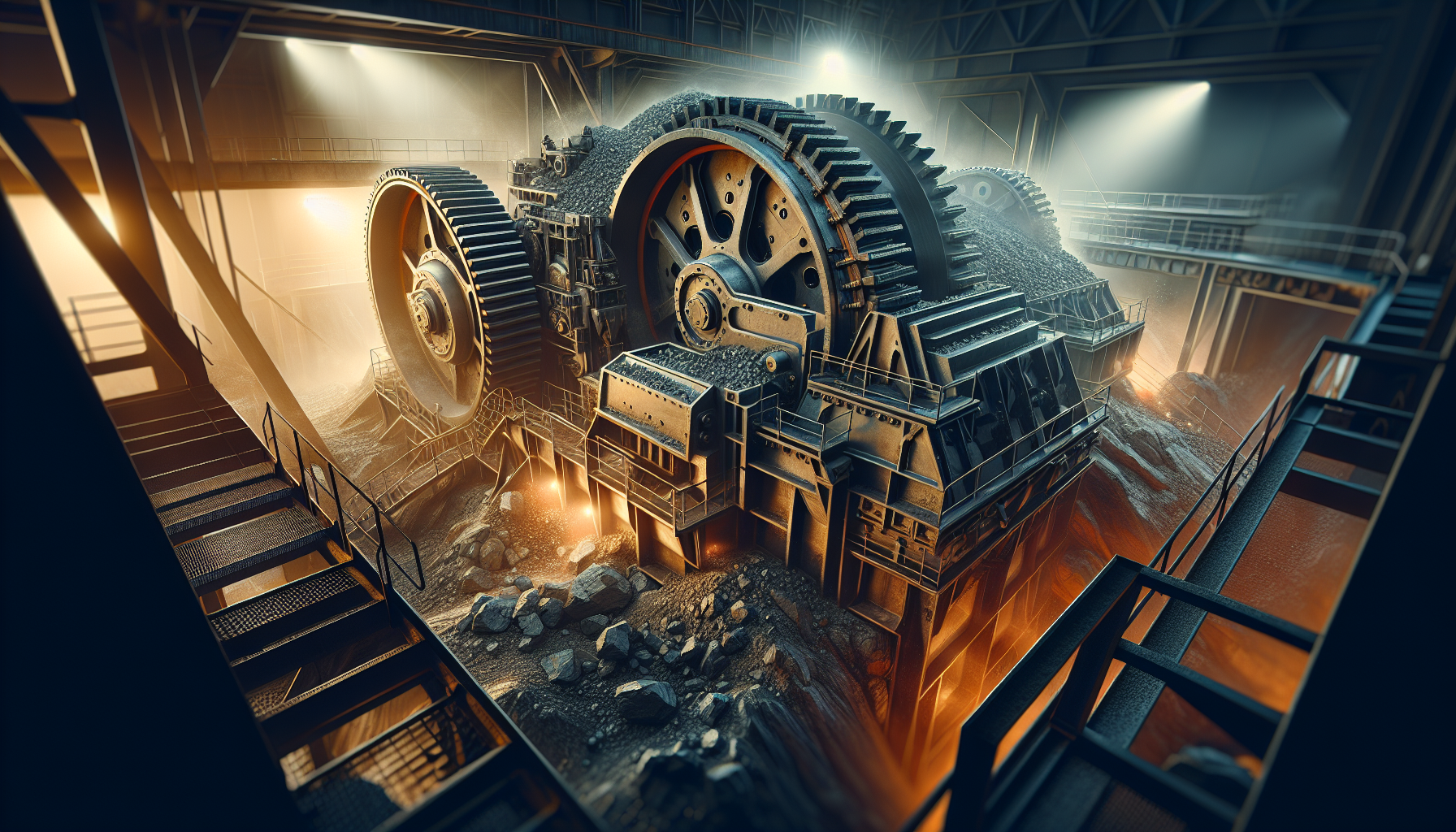
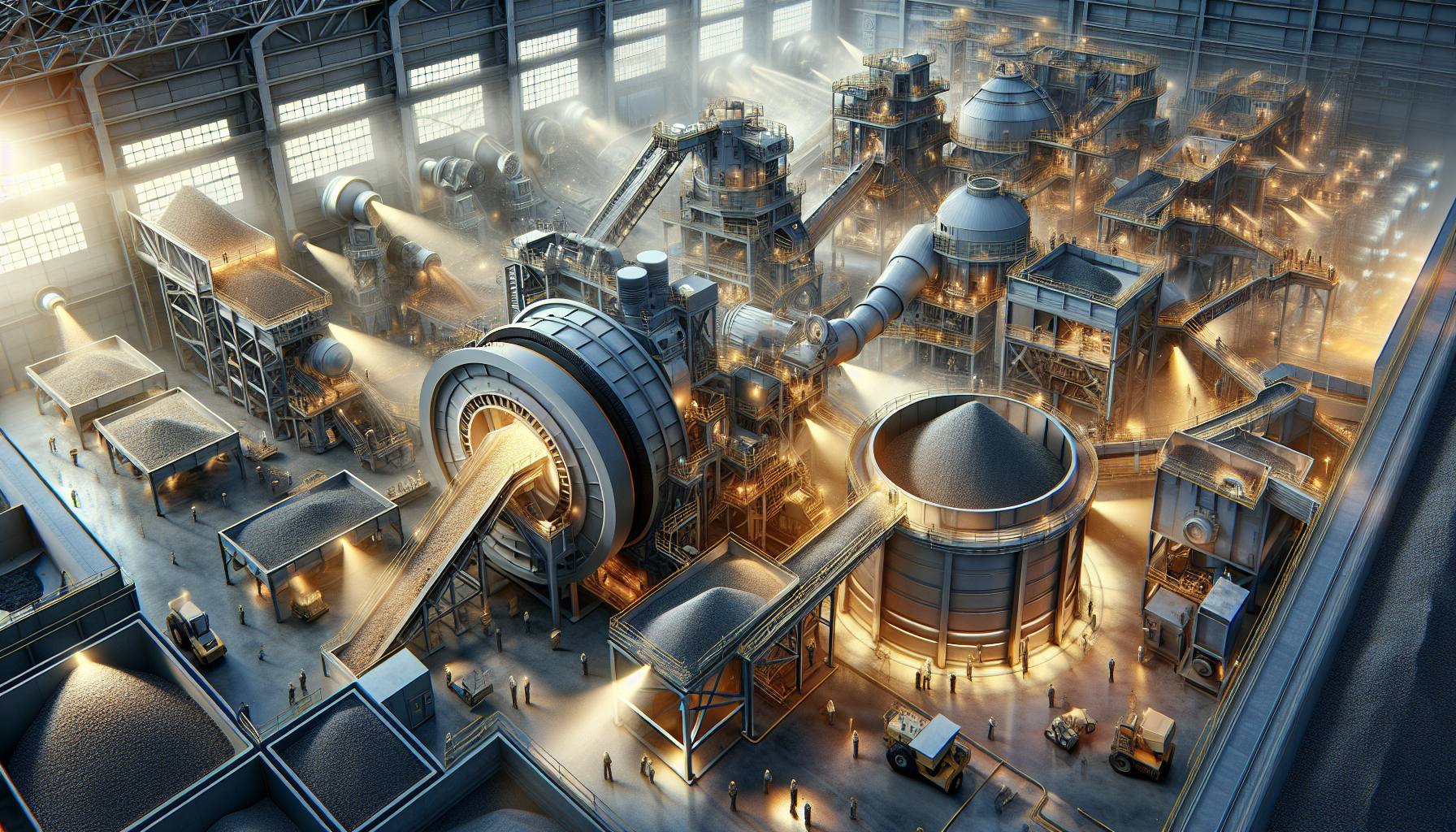
The plant design encompasses critical stages from site selection and assessment to commissioning and optimization. Key considerations include geological surveys, environmental impact assessments, and compliance with regulatory standards. The design integrates material handling, crushing, grinding, beneficiation, and waste management systems. Emphasis is placed on water conservation, safety protocols, and energy efficiency through the incorporation of advanced automation and control systems. The paper also highlights the significance of ongoing monitoring and optimization for sustained operational excellence. A multidisciplinary team of experts collaborates throughout the design process, ensuring a comprehensive and responsible mining plant design.
Thorough Site Assessment
A thorough site assessment is a foundational step in the design of a mining plant, providing essential data and insights to inform subsequent decisions. This comprehensive evaluation involves a systematic examination of the chosen location with a focus on geological, logistical, and regulatory factors. Here are the key components of a thorough site assessment:
- Geological Survey:
- Conduct a detailed geological survey to understand the composition, structure, and distribution of minerals in the area.
- Identify ore deposits, rock formations, and any geological features that may impact mining operations.
- Accessibility and Transportation:
- Evaluate the accessibility of the site for both personnel and heavy equipment.
- Assess the proximity to transportation networks, including roads, railways, and ports, to facilitate the movement of materials.
- Utility Availability:
- Determine the availability and proximity of essential utilities such as water, electricity, gas, and telecommunications.
- Evaluate the capacity of existing infrastructure to meet the anticipated demands of the mining operation.
- Environmental Considerations:
- Perform an environmental impact assessment (EIA) to identify potential impacts on the surrounding ecosystem.
- Consider factors such as air quality, water resources, biodiversity, and potential remediation efforts.
- Regulatory Compliance:
- Investigate local, regional, and national regulations governing mining operations.
- Ensure compliance with permitting requirements, land use restrictions, and environmental standards.
- Land Rights and Ownership:
- Verify land ownership and rights to ensure legal access and use of the site for mining activities.
- Address any potential land use conflicts or negotiations with stakeholders.
- Topographical Survey:
- Conduct a topographical survey to gather precise elevation data and terrain information.
- Identify natural features, drainage patterns, and potential areas for infrastructure development.
- Climate and Weather Considerations:
- Analyze the local climate patterns, including temperature ranges, precipitation levels, and seasonal variations.
- Account for weather-related factors that may impact operations, such as extreme temperatures or heavy rainfall.
- Cultural and Social Factors:
- Assess the presence of nearby communities, cultural heritage sites, and potential impacts on local livelihoods.
- Engage with local stakeholders to address any social considerations and establish positive community relations.
- Risk Assessment and Mitigation:
- Identify potential hazards and risks associated with the site, such as geological instability, flooding, or seismic activity.
- Develop mitigation strategies and contingency plans to address these risks.
A thorough site assessment provides the critical foundation for informed decision-making in the design and development of a mining plant. It enables project stakeholders to understand and mitigate potential challenges while maximizing the site’s potential for safe, efficient, and sustainable mining operations.
Process Flow Optimization
Process flow optimization is a pivotal aspect of designing a mining plant, aimed at maximizing efficiency, productivity, and resource utilization. It involves the careful planning and refinement of the sequence of operations from raw material extraction to final product creation. Here are key considerations for process flow optimization:
- Detailed Process Mapping:
- Begin by creating a detailed Process Flow Diagram (PFD) that illustrates the step-by-step progression of operations.
- Clearly identify each stage, including material handling, crushing, grinding, beneficiation, and refining.
- Bottleneck Identification:
- Analyze the process to identify potential bottlenecks or areas where production may be constrained.
- Focus on stages with high material flow rates or complex processing requirements.
- Material Tracking and Management:
- Implement systems to track the movement of materials throughout the plant.
- Ensure efficient handling, storage, and transportation of both raw and processed materials.
- Equipment Selection and Sizing:
- Choose and size equipment based on the characteristics of the ore and the desired end products.
- Optimize equipment selection for maximum throughput and cost-effectiveness.
- Integration of Automation and Control Systems:
- Implement advanced automation and control systems to regulate and monitor various stages of the process.
- Utilize sensors, Programmable Logic Controllers (PLCs), and Supervisory Control and Data Acquisition (SCADA) systems for real-time data acquisition.
- Energy Efficiency Considerations:
- Evaluate energy consumption at each stage and explore opportunities for optimization.
- Consider the implementation of energy-efficient technologies and practices.
- Waste and By-Product Management:
- Develop strategies for the efficient management and disposal of waste materials and by-products.
- Consider recycling and reprocessing options to minimize waste and maximize resource recovery.
- Safety and Environmental Compliance:
- Integrate safety protocols and environmental compliance measures into each stage of the process.
- Address potential hazards, emissions, and waste management to ensure a safe and sustainable operation.
- Flexibility and Scalability:
- Design the process flow to be adaptable to changing conditions, variations in ore quality, and potential expansion.
- Ensure that the plant can accommodate future modifications or expansions with minimal disruption.
- Continuous Monitoring and Optimization:
- Implement a system for real-time monitoring of process parameters and performance metrics.
- Regularly analyze data to identify opportunities for further optimization and improvements.
Process flow optimization is an iterative process that requires close collaboration between engineers, geologists, and process experts. By fine-tuning each stage of the process, mining plants can achieve higher yields, reduced operational costs, and a more sustainable operation overall.
Material Handling Efficiency
Material handling efficiency is a critical component of designing a mining plant, encompassing the methods and systems employed to transport, store, and manage raw materials and processed products within the facility. Maximizing efficiency in this area contributes to overall productivity and operational effectiveness. Here are key considerations for achieving material handling efficiency:
- Optimized Layout and Flow:
- Design the plant layout to minimize unnecessary movement of materials and personnel.
- Establish a logical flow of materials from extraction to processing and storage areas.
- Selection of Appropriate Conveyance Methods:
- Choose the most suitable conveyance systems (e.g., conveyors, chutes, haulage trucks) for specific material types and distances.
- Optimize conveyor routes to minimize energy consumption and wear.
- Equipment Selection and Capacity:
- Select material handling equipment, such as loaders, forklifts, and cranes, based on load sizes, weights, and operational requirements.
- Ensure that equipment capacities align with anticipated material volumes.
- Automated Material Handling Systems:
- Implement automation technologies, including robotics and automated guided vehicles (AGVs), for repetitive or hazardous material handling tasks.
- Integrate control systems to optimize the movement and placement of materials.
- Efficient Stockpiling and Storage:
- Design storage areas to accommodate different material types and sizes.
- Implement systems for proper stockpiling, ensuring easy retrieval and minimizing segregation or degradation.
- Dust Control and Environmental Considerations:
- Install dust suppression measures to maintain air quality and reduce environmental impact.
- Employ containment systems to prevent spillage and minimize material loss.
- Safety Protocols and Training:
- Establish clear safety protocols for material handling operations, including load securing and equipment operation.
- Provide comprehensive training for personnel involved in material handling tasks.
- Real-time Monitoring and Tracking:
- Implement tracking systems, such as RFID tags or GPS, to monitor the location and status of materials in real time.
- Utilize technology for inventory management and demand forecasting.
- Integration with Process Flow:
- Ensure seamless integration of material handling with the overall process flow.
- Coordinate material movements to synchronize with processing stages for optimal efficiency.
- Regular Maintenance and Upkeep:
- Implement a preventive maintenance program for material handling equipment to minimize downtime and ensure reliability.
- Address any wear and tear promptly to maintain peak performance.
Efficient material handling is a cornerstone of successful mining operations. By optimizing the movement of materials throughout the plant, mining facilities can enhance productivity, reduce operational costs, and improve overall safety and environmental compliance. Continuous evaluation and adaptation of material handling strategies are crucial for sustained efficiency gains.
Crushing and Grinding Precision
Crushing and grinding operations are fundamental processes in mining plants, where raw materials are reduced in size to liberate valuable minerals. Achieving precision in these stages is crucial for optimizing mineral recovery and ensuring downstream processes operate efficiently. Here are key considerations for achieving precision in crushing and grinding:
- Material Characterization:
- Conduct comprehensive testing to understand the physical and chemical properties of the ore.
- Analyze hardness, abrasiveness, and moisture content to select appropriate equipment and settings.
- Equipment Selection and Sizing:
- Choose crushers and grinders that match the material properties and processing requirements.
- Ensure equipment capacities align with anticipated throughput rates.
- Crushing Efficiency:
- Optimize the crushing process to achieve the desired particle size distribution for subsequent stages.
- Consider factors such as feed size, crusher settings, and the specific energy required for comminution.
- Grinding Circuit Configuration:
- Design a grinding circuit that balances efficiency, energy consumption, and product quality.
- Select grinding mills, classifiers, and screens based on ore characteristics and desired final product specifications.
- Wear and Maintenance Management:
- Implement wear-resistant materials and liners to extend the lifespan of crushing and grinding equipment.
- Establish a robust maintenance schedule to address wear and prevent unexpected downtime.
- Automation and Process Control:
- Integrate automation systems to regulate and monitor crushing and grinding operations.
- Utilize real-time data and feedback loops to adjust settings for optimal performance.
- Energy Efficiency Considerations:
- Evaluate energy consumption during crushing and grinding operations.
- Explore technologies like high-pressure grinding rolls (HPGR) or energy-efficient comminution circuits to reduce energy usage.
- Particle Size Analysis:
- Employ particle size analysis techniques to monitor and control the size distribution of crushed and ground materials.
- Adjust equipment settings based on real-time particle size data.
- Circulating Loads and Classification Efficiency:
- Optimize classification systems to ensure that the desired particle sizes are efficiently separated.
- Monitor and adjust circulating loads to maintain the desired balance between coarse and fine particles.
- Integration with Downstream Processes:
- Coordinate crushing and grinding operations with subsequent stages of beneficiation and processing.
- Ensure that the particle size distribution aligns with the requirements of downstream processes.
Precision in crushing and grinding is essential for maximizing mineral recovery and optimizing the efficiency of the entire plant. Through careful material characterization, equipment selection, and process optimization, mining operations can achieve higher throughput rates, lower energy consumption, and improved product quality. Regular monitoring and adjustment of crushing and grinding processes are critical for maintaining precision over time.
Effective Beneficiation and Separation
Beneficiation and separation processes are pivotal stages in mining plant design, aiming to concentrate valuable minerals from raw ore. Achieving effectiveness in these operations is crucial for maximizing mineral recovery and ensuring economic viability. Here are key considerations for effective beneficiation and separation:
- Ore Characterization:
- Conduct thorough ore characterization to understand mineral composition, grain size, and liberation characteristics.
- Tailor beneficiation methods to the specific ore properties.
- Beneficiation Technique Selection:
- Choose appropriate techniques (e.g., flotation, gravity separation, magnetic separation, leaching) based on ore type and mineralogy.
- Optimize the beneficiation circuit to achieve the desired concentrate grade and recovery.
- Process Flowsheet Design:
- Develop a comprehensive process flowsheet that outlines the sequence of beneficiation and separation steps.
- Integrate equipment like crushers, screens, classifiers, and separators in a coherent system.
- Optimization of Reagents and Chemicals:
- Select and optimize reagents and chemicals to enhance the selectivity and efficiency of the beneficiation process.
- Monitor and adjust chemical dosages based on real-time process data.
- Gravity Concentration:
- Utilize gravity-based techniques (e.g., spirals, jigs, shaking tables) for separating minerals based on density differences.
- Optimize parameters like feed rate, water flow, and tilt angle for efficient gravity concentration.
- Flotation Efficiency:
- Implement flotation techniques to selectively separate valuable minerals from gangue materials.
- Control factors such as pH, frother dosage, and airflow rate for optimal flotation performance.
- Magnetic and Electrostatic Separation:
- Apply magnetic and electrostatic methods to separate minerals based on magnetic susceptibility or charge differences.
- Optimize magnetic field strength and electrode settings for effective separation.
- Leaching and Solvent Extraction:
- Employ leaching processes to dissolve valuable minerals from ores, followed by solvent extraction to recover the desired elements.
- Control factors like temperature, pressure, and leachate composition for efficient leaching.
- Tailings Management:
- Develop strategies for handling and disposing of tailings, aiming for environmentally responsible practices.
- Implement techniques like thickening, filtration, and tailings pond design to minimize environmental impact.
- Process Control and Automation:
- Integrate automation and control systems to monitor and regulate beneficiation and separation processes.
- Utilize sensors and real-time data analysis to optimize process parameters.
- Recovery Optimization:
- Continuously assess and adjust process parameters to maximize mineral recovery while minimizing losses.
- Implement technologies like regrinding or reprocessing to improve overall recovery rates.
Effective beneficiation and separation are integral to successful mining operations. By tailoring techniques to specific ore characteristics and optimizing process parameters, mining plants can achieve higher concentrate grades and economic viability. Regular monitoring, process control, and ongoing optimization efforts are critical for sustaining effective beneficiation and separation over time.
Water Management and Conservation
Water management is a critical aspect of designing a mining plant, encompassing strategies to efficiently utilize and responsibly handle water resources throughout the operation. Effective water management not only ensures sustainable practices but also minimizes environmental impact. Here are key considerations for water management and conservation:
- Comprehensive Water Audit:
- Conduct a thorough assessment to quantify water requirements for various processes within the mining plant.
- Identify sources of water, including surface water, groundwater, and recycled or reclaimed water.
- Recycling and Reuse:
- Implement systems for recycling and reusing process water wherever possible.
- Treat and filter water to meet quality standards for specific applications, reducing the demand for fresh water.
- Tailings and Slurry Management:
- Design systems to efficiently separate water from tailings and slurry, allowing for recycling and reuse.
- Incorporate thickening, dewatering, and filtration technologies to reduce water content in tailings.
- Effluent Treatment and Discharge:
- Establish treatment facilities to manage effluents generated from various processes.
- Ensure compliance with local environmental regulations for the discharge of treated water.
- Stormwater Management:
- Develop systems to capture, divert, and manage stormwater runoff to prevent soil erosion and minimize contamination.
- Incorporate settling ponds or other sedimentation techniques to remove pollutants before discharge.
- Water Quality Monitoring:
- Implement a robust water quality monitoring program to assess the condition of water sources and effluents.
- Regularly test for parameters such as pH, turbidity, suspended solids, and chemical concentrations.
- Water Balance and Flow Modeling:
- Use hydraulic models to predict water flows, identify potential bottlenecks, and optimize distribution within the plant.
- Create water balances to track inflows, outflows, and usage patterns.
- Dust Suppression and Control:
- Utilize water for dust suppression measures to maintain air quality and mitigate potential health and safety risks.
- Implement efficient dust control technologies to minimize water usage.
- Cyanide and Chemical Management:
- If applicable, implement strict protocols for handling and treating water containing cyanide or other chemicals used in mineral processing.
- Employ containment systems and treatment processes to ensure safe discharge or reuse.
- Community Engagement and Education:
- Engage with local communities to raise awareness about water conservation efforts and solicit input on sustainable water management practices.
- Implement education and outreach programs to promote responsible water use.
- Emergency Response and Contingency Planning:
- Develop contingency plans for managing water-related emergencies, such as spills, floods, or equipment failures.
- Ensure adequate infrastructure and equipment are in place for emergency response.
Water management and conservation are crucial for the long-term sustainability and environmental responsibility of mining operations. By adopting proactive measures to reduce water consumption and responsibly handle water resources, mining plants can mitigate environmental impact while ensuring efficient and reliable operations. Regular monitoring, reporting, and adaptation of water management strategies are essential for continuous improvement.
Environmental Compliance and Mitigation
Ensuring environmental compliance and implementing effective mitigation measures are paramount in the design of a mining plant. This involves adhering to local, regional, and national regulations while proactively addressing potential environmental impacts. Here are key considerations for environmental compliance and mitigation:
- Regulatory Understanding:
- Thoroughly research and understand the environmental regulations and requirements applicable to mining operations in the project area.
- Stay informed about changes in legislation and compliance standards.
- Environmental Impact Assessment (EIA):
- Conduct a comprehensive EIA to evaluate potential environmental impacts of the mining operation.
- Identify sensitive areas, biodiversity hotspots, and potential risks to ecosystems.
- Air Quality Management:
- Implement measures to monitor and control air emissions, including dust and particulate matter.
- Employ dust suppression techniques, such as water sprays or dust collectors, in high-risk areas.
- Water Quality and Management:
- Establish protocols for monitoring and treating process water and effluents to meet regulatory standards.
- Design containment and treatment systems to prevent contamination of natural water bodies.
- Waste Management and Tailings Disposal:
- Develop a comprehensive waste management plan, including strategies for handling tailings and waste rock.
- Implement containment facilities, liners, and proper disposal methods to prevent leaching of contaminants.
- Habitat Preservation and Restoration:
- Identify and protect critical habitats, wetlands, and other ecologically sensitive areas within and around the mining site.
- Develop plans for habitat restoration and conservation to offset any ecological impacts.
- Biodiversity Conservation:
- Implement measures to safeguard biodiversity by avoiding or minimizing disturbance to local flora and fauna.
- Establish buffer zones and protected areas to preserve biodiversity hotspots.
- Noise and Vibration Control:
- Implement sound barriers, noise-reducing equipment, and operational restrictions to mitigate noise pollution.
- Monitor noise levels and conduct regular assessments to ensure compliance with established standards.
- Visual and Aesthetic Considerations:
- Design the mining plant to blend harmoniously with the surrounding landscape, minimizing visual impact.
- Incorporate landscaping and screening measures to enhance aesthetics.
- Reclamation and Closure Planning:
- Develop a comprehensive reclamation plan to restore the site to a stable and environmentally sound condition post-mining.
- Allocate resources for closure activities, including monitoring and maintenance.
- Community Engagement and Stakeholder Collaboration:
- Engage with local communities, NGOs, and regulatory bodies to address concerns and gather input on environmental protection measures.
- Establish transparent communication channels for sharing information on environmental performance.
- Compliance Monitoring and Reporting:
- Implement a robust monitoring program to track environmental indicators and ensure compliance with regulatory requirements.
- Prepare regular reports for submission to relevant authorities, demonstrating adherence to environmental standards.
By prioritizing environmental compliance and implementing robust mitigation measures, mining plants can operate responsibly and sustainably. Engaging with experts, stakeholders, and regulatory bodies fosters a collaborative approach to environmental protection, ultimately contributing to the long-term success of the mining operation.
Safety and Ergonomics
Ensuring the safety of personnel and creating ergonomic work environments are foundational principles in the design of a mining plant. This involves identifying and mitigating potential hazards while optimizing the layout and equipment for human well-being and efficiency. Here are key considerations for safety and ergonomics:
- Hazard Identification and Risk Assessment:
- Conduct a thorough hazard analysis to identify potential risks associated with each aspect of the mining operation.
- Prioritize risks and implement controls to mitigate or eliminate them.
- Safety Protocols and Procedures:
- Establish clear and comprehensive safety protocols and procedures for all aspects of the mining operation.
- Ensure that all personnel are trained on safety protocols and emergency response procedures.
- Fall Protection and Working at Heights:
- Implement fall prevention measures, such as guardrails, safety harnesses, and proper scaffolding.
- Provide training and equipment for working safely at elevated locations.
- Personal Protective Equipment (PPE):
- Mandate the use of appropriate PPE, including helmets, gloves, safety glasses, respirators, and high-visibility clothing.
- Regularly inspect and replace worn or damaged PPE.
- Traffic Management and Vehicle Safety:
- Designate safe traffic routes and implement clear signage for vehicles and pedestrians within the plant.
- Employ speed limits, barriers, and designated crossing points to prevent accidents.
- Emergency Response Planning:
- Develop comprehensive emergency response plans for various scenarios, including fires, chemical spills, and medical emergencies.
- Conduct regular drills to ensure personnel are familiar with emergency procedures.
- Ergonomic Design and Workstations:
- Design workstations, equipment, and tools to minimize strain and fatigue on workers.
- Consider factors like proper seating, adjustable work surfaces, and ergonomic tool design.
- Material Handling Safety:
- Provide training and equipment for safe material handling, including proper lifting techniques and use of lifting aids.
- Ensure that equipment operators are certified and trained in safe operation.
- Confined Space and Hazardous Area Management:
- Implement strict procedures and permits for entering confined spaces, with proper ventilation and monitoring in place.
- Clearly mark and restrict access to hazardous areas, and provide proper training for personnel working in these areas.
- Health and Wellness Programs:
- Promote employee health and well-being through programs that encourage physical fitness, nutrition, and mental health support.
- Provide access to medical facilities and wellness resources.
- Fatigue Management:
- Implement policies to manage and mitigate worker fatigue, including shift scheduling, rest breaks, and rotation of tasks.
- Encourage open communication about fatigue-related concerns.
- Continuous Safety Training and Education:
- Provide ongoing training and education on safety practices, hazard recognition, and best practices for accident prevention.
- Encourage a safety-conscious culture through regular safety meetings and communication.
By prioritizing safety and ergonomics in the design and operation of a mining plant, the risk of accidents and injuries can be significantly reduced. Regular safety audits, open communication channels, and a proactive approach to hazard management contribute to a safer work environment for all personnel involved.
Automation and Control Systems Integration
Automation and control systems play a crucial role in optimizing operations, enhancing safety, and maximizing efficiency in mining plants. This involves the integration of technologies and software to monitor, regulate, and manage various processes. Here are key considerations for automation and control systems integration:
- Comprehensive System Design:
- Develop a detailed plan for the integration of automation and control systems, encompassing all stages of the mining process.
- Consider factors such as sensors, actuators, Programmable Logic Controllers (PLCs), and Human Machine Interfaces (HMIs).
- Real-time Monitoring and Data Acquisition:
- Implement sensors and data acquisition systems to collect real-time information on process parameters, equipment status, and environmental conditions.
- Utilize this data for performance analysis and decision-making.
- Process Control and Optimization:
- Utilize control algorithms to regulate various aspects of the mining process, such as flow rates, temperature, pressure, and chemical dosages.
- Implement feedback loops to adjust settings for optimal performance.
- Safety Systems Integration:
- Integrate safety systems, such as emergency shutdowns and interlocks, to ensure the protection of personnel and equipment.
- Implement fail-safes and alarms for critical processes.
- Scada Systems (Supervisory Control and Data Acquisition):
- Employ SCADA systems to provide a centralized platform for monitoring and controlling the entire plant.
- Enable remote access for operators to monitor processes from a control room.
- Asset Management and Maintenance:
- Implement systems for condition monitoring and predictive maintenance to optimize equipment performance and prevent unplanned downtime.
- Utilize maintenance management software for scheduling and tracking maintenance activities.
- Integration with Business Systems:
- Integrate automation and control systems with enterprise-level software for tasks such as inventory management, production planning, and reporting.
- Ensure seamless communication between control systems and business management systems.
- Cybersecurity Measures:
- Implement robust cybersecurity protocols to protect against potential threats or attacks on automation and control systems.
- Regularly update and patch software to address vulnerabilities.
- Training and Skill Development:
- Provide comprehensive training for operators and maintenance personnel on the use and management of automation and control systems.
- Foster a culture of continuous learning to keep staff updated on the latest technologies and best practices.
- Redundancy and Reliability:
- Incorporate redundancy in critical systems to ensure continuous operation in the event of a component failure.
- Implement backup power supplies and redundant communication networks.
- Remote Monitoring and Control:
- Enable remote access to automation systems for monitoring and control purposes, allowing operators to make adjustments from off-site locations.
- Implement secure remote access protocols to protect against unauthorized access.
Automation and control systems integration significantly enhance the efficiency, safety, and reliability of mining operations. By leveraging advanced technologies and robust protocols, mining plants can optimize processes and respond effectively to changing conditions. Regular updates and continuous improvement efforts are crucial for maintaining a state-of-the-art automation infrastructure.
Energy Efficiency and Reliability
Ensuring energy efficiency and reliability is critical for the sustainable and cost-effective operation of a mining plant. This involves the strategic selection of equipment, technologies, and practices to optimize energy consumption while maintaining reliable production. Here are key considerations for energy efficiency and reliability:
- Energy Audit and Baseline Assessment:
- Conduct an energy audit to establish a baseline for current energy consumption and identify potential areas for improvement.
- Analyze historical energy data to understand usage patterns and trends.
- Energy-Efficient Equipment Selection:
- Opt for energy-efficient machinery, including crushers, mills, pumps, and motors, based on performance and energy consumption metrics.
- Consider technologies like variable frequency drives (VFDs) and high-efficiency motors to reduce energy use.
- Process Optimization for Energy Efficiency:
- Evaluate and fine-tune processes to minimize energy-intensive operations and reduce waste.
- Implement controls and automation systems to optimize energy usage during various stages of production.
- Heat Recovery and Cogeneration:
- Capture and utilize waste heat generated by processes for other purposes, such as heating or power generation.
- Explore opportunities for combined heat and power (CHP) systems to simultaneously produce electricity and useful heat.
- Renewable Energy Integration:
- Assess the feasibility of incorporating renewable energy sources, such as solar, wind, or geothermal, to supplement or replace conventional power sources.
- Evaluate the potential for on-site energy generation through solar panels or wind turbines.
- Energy Management System (EMS):
- Implement an EMS to monitor, control, and optimize energy usage across the plant.
- Utilize real-time data to make informed decisions regarding energy consumption and demand.
- Load Management and Peak Shaving:
- Implement strategies to manage peak energy demand, such as load shedding or shifting non-essential operations to off-peak hours.
- Explore demand response programs with energy providers to reduce costs during high-demand periods.
- Lighting and HVAC Efficiency:
- Upgrade lighting systems to energy-efficient LED technology and implement motion sensors or timers to control lighting usage.
- Optimize heating, ventilation, and air conditioning (HVAC) systems for energy efficiency through proper insulation and HVAC equipment selection.
- Regular Equipment Maintenance and Calibration:
- Implement a proactive maintenance program to ensure that equipment operates at peak efficiency.
- Regularly calibrate instruments and controls to maintain accurate measurements and prevent energy waste.
- Energy Awareness and Training:
- Foster a culture of energy conservation among plant personnel through training, awareness campaigns, and incentives for energy-saving initiatives.
- Encourage employees to report energy inefficiencies and suggest improvements.
- Energy Performance Monitoring and Reporting:
- Establish key performance indicators (KPIs) to track energy usage, efficiency improvements, and cost savings.
- Generate regular reports to assess progress toward energy efficiency goals.
By prioritizing energy efficiency and reliability, mining plants can reduce operational costs, decrease environmental impact, and enhance overall sustainability. Continuous monitoring, regular maintenance, and ongoing efforts to implement energy-saving technologies are essential for maintaining a high level of efficiency over time.
Discover more from AllMinings
Subscribe to get the latest posts sent to your email.