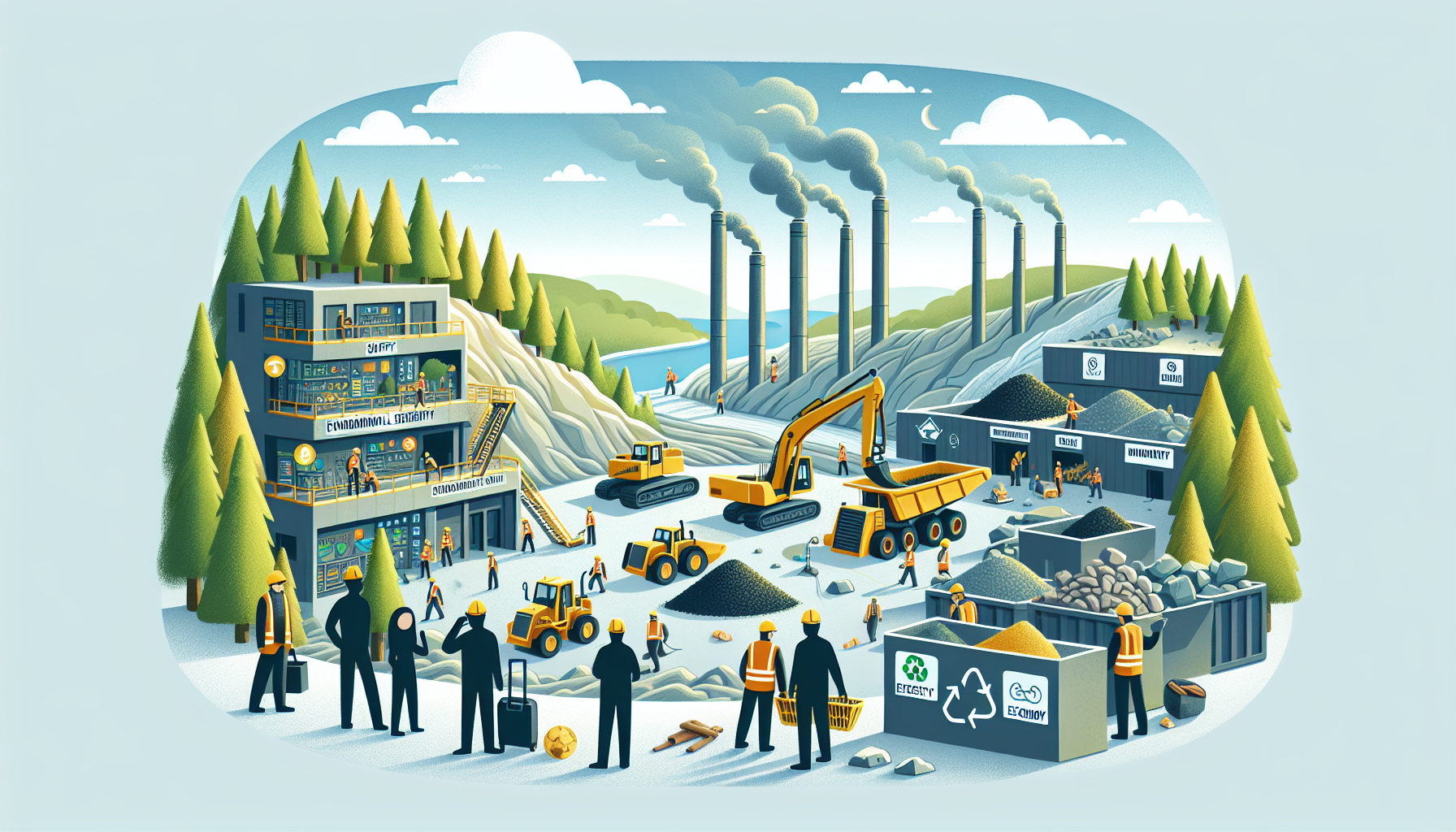
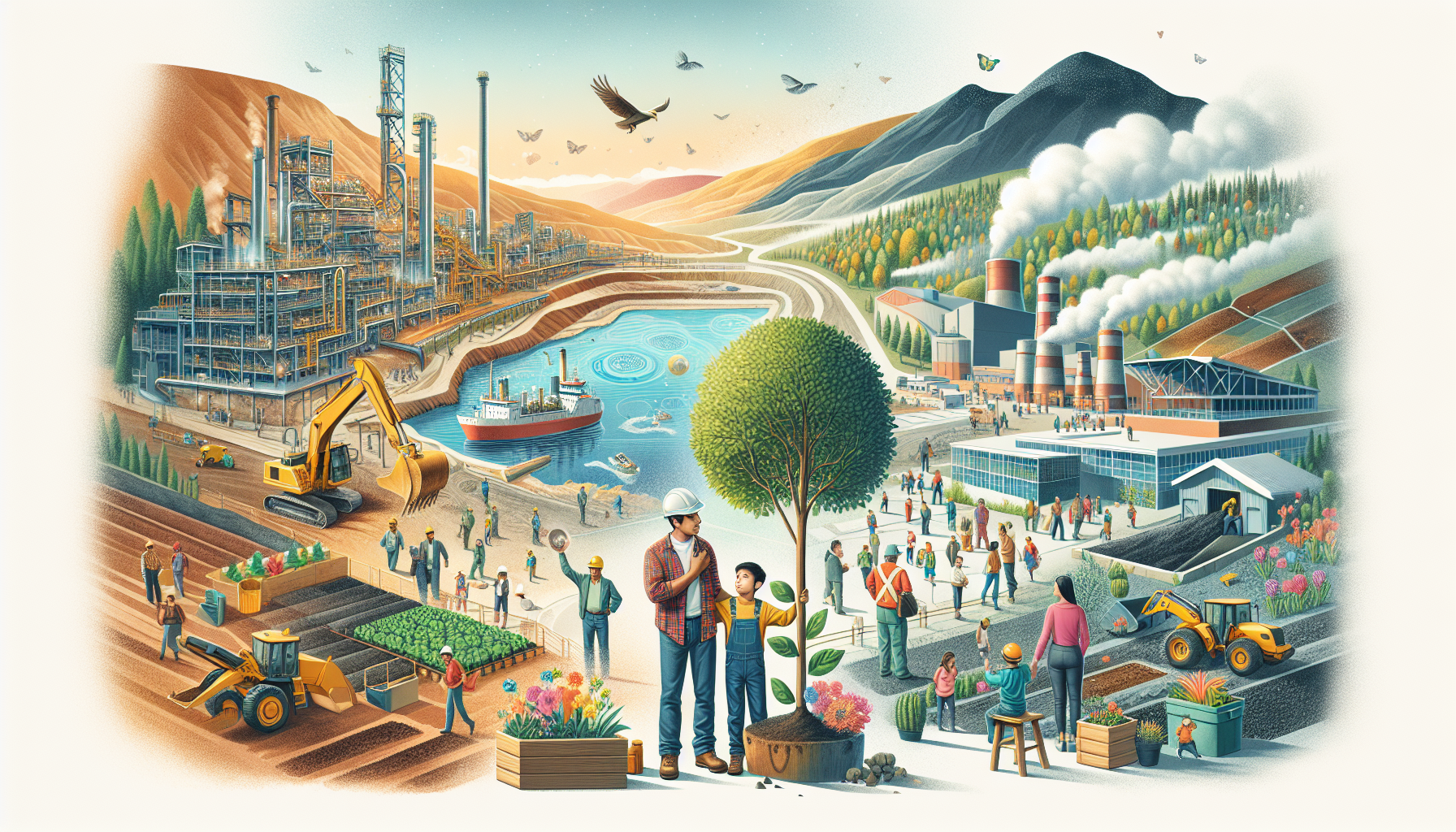
Acid Mine Drainage (AMD) is a significant environmental issue associated with mining operations, particularly those involving the extraction of metals like coal, gold, copper, and others. AMD occurs when sulphide minerals, commonly found in ore deposits, are exposed to air and water during mining activities. The oxidation of these sulphide minerals leads to the production of sulfuric acid, which can contaminate nearby water sources and have detrimental effects on the environment. Here’s an overview of Acid Mine Drainage in mining operations:
Formation of Acid Mine Drainage
The formation of Acid Mine Drainage (AMD) is a complex process involving the exposure of sulphide minerals to air and water during mining operations. Here’s a more detailed explanation of the formation process:
- Presence of Sulfide Minerals:
- Many metal ores, such as pyrite (FeS2), contain sulphide minerals. These minerals are often stable when buried beneath the Earth’s surface.
- Mining Activities:
- During mining operations, large quantities of rock containing sulfide minerals are excavated and brought to the surface.
- The exposure of these sulfide minerals to atmospheric oxygen (O2) and water initiates the oxidation process.
- Oxidation of Sulfide Minerals:
- The primary reaction involves the oxidation of iron sulfide (pyrite) as follows:
- 4FeS2+14O2+4H2O→4Fe(OH)3+8H2SO4.
- In simpler terms, pyrite reacts with oxygen and water to produce iron hydroxide (Fe(OH)3) and sulfuric acid (H2SO4).
- Autocatalytic Nature:
- The oxidation of sulfide minerals is often autocatalytic, meaning that it becomes a self-sustaining reaction. As sulfide minerals oxidize, they release more acidic water, which further accelerates the oxidation process.
- Release of Acidic Water:
- The sulfuric acid produced in the oxidation process reacts with other minerals in the rock, releasing acidic water with low pH levels.
- The acidic water can leach additional metals from the surrounding rocks, leading to high concentrations of heavy metals such as iron, aluminium, copper, and zinc in the drainage.
- Transport of Acidic Water:
- The acidic water, now laden with dissolved metals, is often transported through natural water pathways such as rivers, streams, and groundwater.
- Environmental Impact:
- When Acid Mine Drainage reaches surface water bodies or infiltrates groundwater, it poses severe environmental risks.
- The acidic water can harm aquatic life, degrade soil quality, and contaminate drinking water sources.
- Weathering of Exposed Rocks:
- In addition to sulfide minerals from mining activities, naturally occurring sulphide-bearing rocks can also contribute to AMD through weathering processes.
Factors Influencing AMD Formation:
- Mineral Composition:
- The types and quantities of sulfide minerals present in the ore influence the potential for AMD formation.
- Climate:
- The rate of AMD formation can be influenced by climate factors, such as rainfall and temperature, which affect the exposure of sulfide minerals to oxygen and water.
- Geological Conditions:
- The geological characteristics of the mining site, including the presence of other reactive minerals, can influence the severity of AMD.
- Mining Practices:
- The methods used in mining operations, such as open-pit mining or underground mining, can impact the extent of sulfide mineral exposure.
Efforts to prevent and mitigate AMD involve pre-mining assessments, waste management practices, and post-mining treatment to minimize the environmental impact of sulfide mineral oxidation.
Environmental Impact
The environmental impact of Acid Mine Drainage (AMD) is significant and can have far-reaching consequences on ecosystems, water quality, and human health. Here are some key aspects of the environmental impact associated with AMD:
1. Water Contamination:
- Acidic Water: AMD releases highly acidic water into surrounding water bodies, lowering the pH and making it unsuitable for many aquatic organisms.
- Heavy Metal Contamination: The acidic water often carries high concentrations of heavy metals, including iron, aluminum, copper, zinc, and others, which can be toxic to aquatic life.
2. Aquatic Ecosystems:
- Fish and Macroinvertebrate Mortality: The increased acidity and metal concentrations can lead to the death of fish and macroinvertebrates in affected water bodies.
- Disruption of Food Chains: AMD can disrupt aquatic food chains, impacting species at various trophic levels.
3. Soil Degradation:
- Impact on Vegetation: The acidic water can affect soil quality, limiting the growth of vegetation in affected areas.
- Reduced Agricultural Productivity: Soils contaminated with heavy metals may become unsuitable for agriculture, affecting local communities.
4. Human Health Risks:
- Contaminated Drinking Water: AMD can contaminate local water supplies, posing risks to human health if consumed.
- Exposure to Heavy Metals: People in the vicinity of AMD-affected areas may be exposed to elevated levels of heavy metals through water, soil, and food.
5. Economic Impact:
- Impact on Fisheries: AMD can lead to the decline of fish populations, affecting fisheries and the livelihoods of communities dependent on them.
- Reduced Land Use Options: Contaminated land may be unsuitable for various uses, limiting economic opportunities in affected regions.
6. Long-Term Environmental Changes:
- Alteration of Landscapes: The release of acidic water can alter the physical and chemical characteristics of landscapes, leading to long-term changes.
- Legacy Effect: AMD can persist for extended periods even after mining activities cease, creating a legacy of environmental damage.
7. Secondary Effects on Air Quality:
- Airborne Dust: Mining operations and the exposed surfaces created by AMD can contribute to airborne dust, potentially affecting air quality in the surrounding areas.
8. Loss of Biodiversity:
- Impact on Terrestrial Ecosystems: AMD can extend beyond aquatic ecosystems, affecting terrestrial habitats and contributing to a loss of biodiversity.
9. Regulatory and Legal Consequences:
- Non-compliance Penalties: Mining operations causing AMD may face legal consequences and financial penalties for non-compliance with environmental regulations.
10. Community Displacement:
- Displacement of Communities: In extreme cases, severe environmental degradation from AMD may lead to the displacement of local communities, further exacerbating social and economic challenges.
Efforts to address the environmental impact of AMD involve a combination of preventive measures, such as responsible mining practices and waste management, and mitigative measures, including water treatment and ecosystem restoration. Regulatory frameworks play a crucial role in ensuring that mining activities adhere to environmental standards to minimize the impact on surrounding ecosystems.
Prevention and Mitigation
Prevention and mitigation strategies for Acid Mine Drainage (AMD) are crucial to minimize its environmental impact. Implementing these measures can help control the formation of acidic water and reduce the release of harmful substances into the environment. Here are key prevention and mitigation strategies:
Prevention Strategies:
- Pre-mining Assessments:
- Conduct comprehensive pre-mining assessments to identify the presence of sulfide minerals and potential acid-forming materials.
- Use predictive modeling and sampling to understand the geochemical characteristics of the ore.
- Selection of Low-Sulfur Ore Deposits:
- Opt for mining projects with low-sulfur ore deposits to reduce the likelihood of AMD formation.
- Responsible Mining Practices:
- Implement responsible mining practices, including proper site selection, mine planning, and ore extraction techniques, to minimize the exposure of sulfide minerals to air and water.
- Waste Management:
- Implement effective waste management practices to control the generation of acidic runoff.
- Use liners, covers, and other containment measures to limit the exposure of sulfide-bearing waste to the environment.
- Vegetative Cover:
- Use vegetation to cover mine waste and tailings, as plants can help reduce water infiltration and oxygen exposure.
- Water Diversion:
- Implement water diversion systems to redirect uncontaminated water away from potentially acid-generating materials.
- Best Management Practices (BMPs):
- Adopt BMPs that focus on minimizing the environmental impact of mining activities, including erosion and sediment control measures.
Mitigation Strategies:
- Neutralization:
- Treat acidic mine water through neutralization processes to raise pH levels and reduce acidity.
- Common neutralization methods include adding lime (calcium hydroxide) or limestone to the water.
- Passive Treatment Systems:
- Implement passive treatment systems, such as constructed wetlands and permeable reactive barriers, to naturally treat acidic water over time.
- Active Treatment Systems:
- Use active treatment systems, such as chemical precipitation or ion exchange, to remove metals and acidity from contaminated water.
- Buffering Agents:
- Apply buffering agents to prevent rapid changes in pH and maintain a more stable environment.
- Covering Acid-Generating Materials:
- Cover exposed sulphide-bearing materials with inert materials to limit oxygen exposure and reduce the potential for acid formation.
- Post-Closure Planning:
- Develop and implement post-closure plans for mining sites, including ongoing monitoring and maintenance activities to address long-term environmental concerns.
- Community Engagement:
- Engage with local communities to raise awareness of the environmental risks associated with AMD and involve them in monitoring and mitigation efforts.
- Legislation and Regulation:
- Enforce and comply with environmental regulations related to mining activities to ensure that preventive and mitigative measures are implemented effectively.
- Research and Innovation:
- Invest in research and development to explore innovative technologies and approaches for AMD prevention and mitigation.
- Long-Term Monitoring:
- Establish long-term monitoring programs to assess the effectiveness of mitigation measures and respond promptly to any emerging issues.
It is essential to integrate a combination of these prevention and mitigation strategies, tailored to the specific characteristics of each mining site, to effectively address the challenges posed by Acid Mine Drainage. Collaboration among government agencies, mining companies, local communities, and environmental organizations is crucial for successful implementation.
Regulatory Compliance
Regulatory compliance is a critical aspect of addressing and preventing Acid Mine Drainage (AMD) in mining operations. Governments and regulatory bodies establish rules and guidelines to ensure that mining activities are conducted in an environmentally responsible manner. Compliance with these regulations is essential to minimize the environmental impact of mining and prevent or mitigate AMD. Here are key aspects of regulatory compliance in the context of AMD:
1. Environmental Impact Assessments (EIAs):
- Pre-Mining Assessments: Regulations often require thorough pre-mining assessments, including EIAs, to evaluate the potential environmental impact of mining activities.
- Baseline Studies: Conduct baseline studies to understand the existing environmental conditions before mining begins.
2. Permitting and Licensing:
- Obtain the necessary permits and licenses before initiating mining operations.
- Compliance with permit conditions is essential to ensure that environmental standards are met throughout the mining process.
3. Water Quality Standards:
- Adhere to established water quality standards to prevent the release of contaminants, including acidic water and heavy metals, into water bodies.
- Regular monitoring of water quality is often a requirement.
4. Waste Management Regulations:
- Comply with regulations related to the management and disposal of mining waste, including tailings and overburden.
- Implement best practices for waste containment and storage to prevent AMD formation.
5. Reclamation and Closure Plans:
- Develop and implement reclamation plans that outline the steps for restoring the mined areas once operations cease.
- Closure plans should address long-term environmental stability and minimize the risk of AMD.
Discover more from AllMinings
Subscribe to get the latest posts sent to your email.