


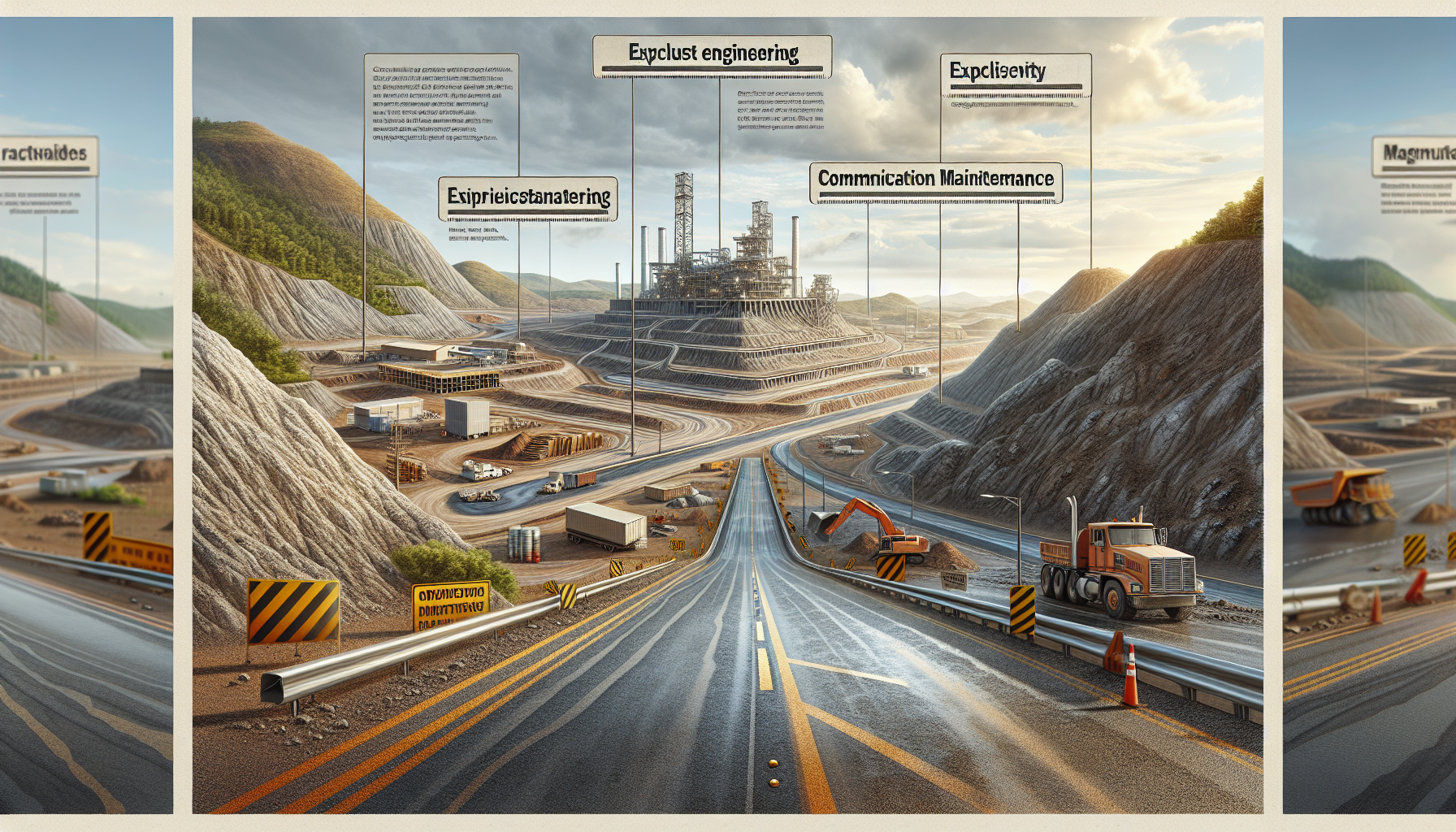
Infrastructure projects are crucial for ensuring the efficient and safe extraction of minerals and resources from the earth. These projects encompass a wide range of activities, from constructing access roads to building processing facilities. Here are some common infrastructure projects in the mining industry:
Access Roads and Bridges
Access roads and bridges are critical components of infrastructure projects, especially in the mining industry. They provide essential transportation links between mining sites and the broader network of roads and transportation systems. Here is an overview of access roads and bridges in the context of mining:
Access Roads:
Access roads are constructed to provide reliable and safe transportation to and from mining sites. These roads are designed to withstand the heavy loads and traffic associated with mining operations. Here are some key points about access roads:
- Site Assessment and Planning:
- Before construction begins, a thorough assessment of the terrain, soil conditions, and environmental impact is conducted. This helps in designing a road that is both safe and sustainable.
- Engineering and Design:
- Access roads are engineered to meet specific standards and guidelines. This includes factors like road width, gradient, drainage systems, and surface materials.
- Surface Materials:
- The choice of surface material depends on factors such as the type of vehicles using the road, local climate, and expected traffic volume. Common materials include gravel, crushed stone, or specialized paving for high-traffic areas.
- Drainage and Erosion Control:
- Proper drainage systems are incorporated to prevent water accumulation and erosion, which can weaken the road structure.
- Maintenance and Upkeep:
- Regular maintenance is crucial to ensure the road remains in good condition. This includes activities like grading, repairing potholes, and managing vegetation.
Bridges:
Bridges play a vital role in allowing access to mining sites that may be separated by water bodies, gorges, or rugged terrain. They need to be designed to support heavy loads and withstand environmental conditions. Here are some key considerations for mining bridges:
- Structural Design:
- Bridges are engineered to support the weight of mining equipment, vehicles, and materials. This involves careful calculations of load-bearing capacities and stress distribution.
- Materials and Construction:
- The choice of materials (e.g., steel, concrete) depends on factors like span length, environmental conditions, and budget. Construction techniques need to be precise and meet safety standards.
- Environmental Impact:
- Bridges should be designed to minimize their environmental impact, especially when crossing sensitive ecosystems or water bodies.
- Safety Features:
- Safety measures like guardrails, warning signs, and lighting are incorporated to ensure safe passage for vehicles and pedestrians.
- Inspection and Maintenance:
- Regular inspections are conducted to identify any signs of wear, corrosion, or structural issues. Timely maintenance and repairs are essential to prolong the lifespan of the bridge.
Both access roads and bridges are fundamental to the success of mining operations, as they enable the movement of personnel, equipment, and extracted materials. Their construction requires a combination of engineering expertise, environmental awareness, and compliance with local regulations.
Rail and Port Facilities
Rail and port facilities are crucial components of the infrastructure in the mining industry. They play a vital role in the transportation of mined materials from the extraction site to markets around the world. Here’s an overview of rail and port facilities in the context of mining:
Rail Facilities:
Rail facilities involve the construction, maintenance, and operation of rail lines to transport mined materials. They are essential for efficient and cost-effective transportation, especially when mining operations are located far from major transportation hubs.
- Site Selection and Planning:
- The location of rail facilities is strategically chosen to connect mining sites with existing rail networks or to establish new lines. Considerations include distance, terrain, and accessibility.
- Track Construction:
- Tracks are constructed using materials like steel rails, wooden or concrete sleepers (ties), and ballast (gravel or crushed stone). The tracks are laid on a stable foundation to ensure stability.
- Loading and Unloading Facilities:
- Loading and unloading areas are constructed to efficiently transfer materials between trucks or conveyors and rail cars.
- Maintenance and Operations:
- Regular maintenance of tracks, switches, signals, and other components is crucial for safe and efficient rail operations.
- Safety Measures:
- Safety features such as signals, barriers, and warning systems are implemented to prevent accidents and ensure the well-being of rail personnel.
Port Facilities:
Port facilities are the gateway for mined materials to reach global markets. They are equipped to handle the loading and unloading of bulk commodities onto ships for export.
- Site Selection and Design:
- Ports are strategically located along coastlines or major waterways to facilitate access for large ships. They are designed to accommodate the specific needs of the mining industry, including bulk material handling equipment.
- Bulk Material Handling Equipment:
- Specialized equipment such as conveyor systems, cranes, and hoppers are used to load and unload bulk materials like ores and minerals onto ships.
- Storage and Stockpiling:
- Ports often have storage facilities (e.g., warehouses, stockyards) to temporarily hold mined materials before they are loaded onto ships.
- Dredging and Channel Maintenance:
- Dredging is performed to maintain navigable channels for ships, ensuring they can safely approach and dock at the port.
- Safety and Environmental Measures:
- Environmental safeguards and safety protocols are in place to protect the surrounding ecosystem and the well-being of workers.
- Customs and Regulatory Compliance:
- Ports must comply with customs regulations and other legal requirements for the export of mined materials.
Rail and port facilities are critical for the economic viability of mining operations, enabling the efficient movement of bulk materials to global markets. They require careful planning, engineering expertise, and compliance with regulatory standards to ensure safe and sustainable operations.
Power Generation and Distribution
Power generation and distribution are essential components of the infrastructure in the mining industry. They provide the energy needed to operate machinery, processing plants, and other equipment involved in the extraction and processing of minerals. Here’s an overview of power generation and distribution in the context of mining:
Power Generation:
Power generation involves the production of electrical energy from various sources. In the mining industry, reliable and sufficient power is crucial for operations. Common methods of power generation include:
- On-Site Power Plants:
- Many mining operations have their power plants, which can use a variety of fuels like diesel, natural gas, or coal to generate electricity. These plants can be located on-site or nearby.
- Renewable Energy Sources:
- Some mining operations are adopting renewable energy sources such as solar, wind, or hydroelectric power. These sources can provide sustainable and cost-effective energy solutions.
- Grid Connection:
- In some cases, mines are connected to the local electrical grid, relying on the public utility for their power needs.
- Energy Efficiency Measures:
- Implementing energy-efficient technologies and practices can help reduce the overall energy consumption of mining operations.
Power Distribution:
Once generated, electrical power needs to be distributed efficiently and safely throughout the mining site. This involves several key aspects:
- Substations and Transformers:
- Substations are used to step up or down voltage levels for distribution within the site. Transformers are critical components for this purpose.
- Distribution Networks:
- A network of electrical lines and cables is used to carry power from the source (power plant or grid connection) to various points of use within the mining operation.
- Switchgear and Circuit Breakers:
- These components help control and protect the electrical distribution system. They allow for the isolation of faulty sections and protect against overloads.
- Emergency Power Systems:
- Backup generators or uninterruptible power supply (UPS) systems are often installed to provide power during outages or emergencies.
- Monitoring and Control Systems:
- Advanced technologies, including supervisory control and data acquisition (SCADA) systems, allow for real-time monitoring and control of the power distribution network.
- Safety Measures:
- Safety protocols and equipment, such as grounding systems, are implemented to protect personnel and equipment from electrical hazards.
- Energy Management and Optimization:
- Utilizing energy management systems can help optimize power usage, reduce waste, and improve overall efficiency.
Efficient and reliable power generation and distribution are crucial for the productivity and safety of mining operations. These systems require careful planning, engineering expertise, and ongoing maintenance to ensure uninterrupted power supply to the entire operation. Additionally, considerations for sustainability and environmental impact are becoming increasingly important in power generation for mining operations.
Water Supply and Treatment
Water supply and treatment are vital aspects of infrastructure in the mining industry. They involve ensuring a reliable and safe source of water for various processes within the mining operation and implementing measures to treat and manage water to meet environmental standards. Here’s an overview of water supply and treatment in the context of mining:
Water Supply:
- Source Identification:
- The first step is to identify suitable water sources. This can include local rivers, lakes, groundwater wells, or even desalination for coastal mining operations.
- Water Quality Assessment:
- Before use, the quality of the water source is assessed to ensure it meets the required standards for mining operations. This includes testing for contaminants, pH levels, and other relevant parameters.
- Pumping and Transportation:
- Infrastructure is built to pump and transport water from the source to various points within the mining operation, including processing plants, dust suppression systems, and employee facilities.
- Storage and Reservoirs:
- Storage facilities, such as tanks and reservoirs, are constructed to ensure a reliable and continuous water supply, especially in areas with seasonal variations in water availability.
- Water Conservation and Recycling:
- Mining operations often implement measures to reduce water consumption through recycling and reuse systems. This can include capturing and treating process water for reuse.
Water Treatment:
- Sedimentation and Filtration:
- Large particles and sediments are removed from the water through processes like sedimentation and filtration, which help improve water quality.
- Chemical Treatment:
- Chemicals are often used to treat water, including disinfection to kill harmful microorganisms, and pH adjustment to ensure water quality meets required standards.
- Reverse Osmosis and Desalination:
- In regions with limited freshwater resources, reverse osmosis and desalination systems may be employed to purify seawater or brackish water for use in mining processes.
- Sludge and Waste Management:
- Treatment plants are equipped to manage and process sludge and waste generated from the treatment process, ensuring compliance with environmental regulations.
- Environmental Monitoring and Compliance:
- Regular monitoring of discharged water is conducted to ensure compliance with regulatory standards for parameters such as pH, turbidity, and contaminant levels.
- Emergency Response Planning:
- Contingency plans are established in case of accidental spills or leaks to minimize environmental impact and protect nearby water bodies.
- Sustainable Water Management:
- Sustainable practices, such as rainwater harvesting or the implementation of green infrastructure, may be integrated to reduce reliance on external water sources.
Effective water supply and treatment systems are crucial for the sustainable and responsible operation of mining ventures. They require careful planning, engineering expertise, and compliance with local, national, and international environmental regulations to ensure the protection of water resources and surrounding ecosystems.
Tailings Management
Tailings management is a critical component of infrastructure in the mining industry. It involves the safe containment, treatment, and monitoring of waste materials, known as tailings, generated during the mining and mineral processing operations. Proper tailings management is crucial for environmental protection and the long-term sustainability of mining operations. Here’s an overview of tailings management in the context of mining:
Tailings Generation:
- Tailings Definition:
- Tailings are the finely ground rock and mineral waste materials that remain after the valuable minerals have been extracted from the ore.
- Types of Tailings:
- Tailings can vary in composition and characteristics depending on the type of ore being processed. They may include fine-grained particles, slurry, or even coarser materials.
- Tailings Disposal Methods:
- Common methods for tailings disposal include storage in impoundments (tailings dams), backfilling underground mines, or deposition in open pits.
Tailings Storage Facilities (TSFs):
- Design and Engineering:
- TSFs are engineered structures designed to safely contain and store tailings. They require careful design, considering factors such as dam height, slope stability, and seepage control.
- Construction:
- Construction of TSFs involves the placement of materials, often including compacted tailings, as well as the construction of perimeter embankments, spillways, and drainage systems.
- Monitoring and Surveillance:
- Regular monitoring of TSFs is crucial to detect any signs of potential failure or seepage. This can involve the use of instrumentation, remote sensing technologies, and visual inspections.
- Emergency Preparedness:
- Contingency plans and emergency response protocols are established to address any unexpected events, such as dam breaches or extreme weather conditions.
Tailings Treatment and Rehabilitation:
- Dewatering:
- Depending on the characteristics of the tailings, dewatering processes may be employed to remove excess water, making the tailings more stable and easier to manage.
- Revegetation and Rehabilitation:
- After the closure of a mine, rehabilitation efforts are undertaken to restore the landscape and ecosystem. This can involve re-vegetation, erosion control, and other measures.
- Water Management:
- Efforts are made to minimize water contamination from tailings through measures such as water treatment and the use of impermeable liners in TSFs.
- Closure and Decommissioning:
- When a mine reaches the end of its operational life, proper closure and decommissioning procedures are followed, including the rehabilitation of tailings storage facilities.
Regulatory Compliance and Reporting:
- Environmental Impact Assessment (EIA):
- Prior to the commencement of mining operations, an EIA is often conducted to assess the potential environmental impacts, including those related to tailings management.
- Compliance with Regulations:
- Mines must comply with local, national, and international regulations governing tailings management, including dam safety standards and environmental protection measures.
Tailings management is a complex and highly regulated aspect of mining operations. It requires multidisciplinary expertise in engineering, environmental science, and regulatory compliance to ensure the safe and responsible management of waste materials. Additionally, ongoing monitoring and reporting are crucial for maintaining the integrity of tailings storage facilities and protecting the environment.
Processing Plants
Processing plants are crucial components of infrastructure in the mining industry. They are facilities where raw materials extracted from the mining site are processed to extract valuable minerals or convert them into marketable products. Here’s an overview of processing plants in the context of mining:
Types of Processing Plants:
- Crushing and Grinding Plants:
- These plants crush and grind raw materials to reduce them to a size suitable for further processing. This is often the first step in the processing chain.
- Concentration Plants:
- Concentration plants use methods like gravity separation, flotation, or magnetic separation to separate valuable minerals from the surrounding rock or ore.
- Smelting and Refining Plants:
- These plants process the concentrated minerals further, often through smelting to extract the metal, followed by refining processes to produce high-quality, market-ready products.
- Hydrometallurgical Plants:
- Hydrometallurgical processes use solutions to extract metals from ores, typically through leaching and precipitation methods.
- Bioleaching and Biooxidation Plants:
- These plants use microorganisms to assist in the extraction of metals from ores, particularly for low-grade or complex ores.
Key Components and Processes:
- Material Handling:
- This includes systems for transporting and conveying raw materials within the processing plant, often using conveyor belts, chutes, and elevators.
- Crushers and Mills:
- Crushers break down large rocks into smaller, manageable pieces, while mills grind materials into finer particles, increasing the surface area for further processing.
- Flotation Cells and Separators:
- These devices are used in concentration plants to separate valuable minerals from gangue (unwanted material).
- Furnaces and Kilns:
- Smelting plants utilize high-temperature furnaces or kilns to melt and separate metals from other materials.
- Chemical Processing Equipment:
- This includes reactors, tanks, and other equipment used in hydrometallurgical and chemical processes.
- Control and Automation Systems:
- Modern processing plants often incorporate advanced control systems to optimize processes, monitor equipment performance, and ensure safety.
Environmental Considerations:
- Dust Control and Ventilation:
- Measures are implemented to control dust emissions and maintain proper ventilation within the processing plant for a safe and healthy working environment.
- Water Management:
- Efforts are made to minimize water usage and implement water recycling and treatment systems to reduce environmental impact.
- Waste Management:
- Proper disposal or recycling of waste materials generated during the processing operations is essential to minimize environmental impact.
- Energy Efficiency:
- Processing plants often incorporate energy-saving technologies and practices to reduce their environmental footprint.
Safety and Compliance:
- Safety Protocols and Training:
- Comprehensive safety protocols and ongoing training programs are essential to ensure the well-being of plant personnel.
- Regulatory Compliance:
- Processing plants must adhere to a range of local, national, and international regulations governing safety, environmental impact, and product quality.
Processing plants are integral to the value chain of mining operations, where raw materials are transformed into valuable products ready for market. They require careful design, engineering, and operation to ensure efficiency, safety, and compliance with industry standards and regulations.
Camp Infrastructure
Camp infrastructure in the mining industry refers to the facilities and services provided to accommodate the workforce on-site. These facilities are crucial for providing a safe, comfortable, and functional living and working environment for employees, especially in remote or isolated mining locations. Here’s an overview of camp infrastructure in the context of mining:
Types of Camp Infrastructure:
- Accommodation Facilities:
- This includes dormitories, individual rooms, or modular housing units where employees live during their shifts.
- Dining and Kitchen Facilities:
- Camps typically have dining halls or cafeterias where meals are prepared and served to accommodate the workforce.
- Recreational Areas:
- Spaces for leisure activities, such as gyms, sports fields, recreational rooms, and entertainment facilities, help provide a balanced work-life environment.
- Health and Medical Facilities:
- On-site clinics or medical centres provide basic healthcare services, including first aid, general medical care, and emergency response capabilities.
- Laundry and Cleaning Services:
- Facilities for laundry and cleaning help maintain hygiene and comfort for camp residents.
- Administrative and Management Offices:
- Offices provide space for administrative staff, management, and support personnel to oversee and coordinate camp operations.
- Security and Access Control:
- Security measures like gated entrances, surveillance cameras, and security personnel help ensure the safety and security of camp residents.
- Transportation and Logistics:
- Facilities for storing and maintaining vehicles, as well as transportation services to and from the mining site, are often provided.
- Utilities and Services:
- Infrastructure for water supply, wastewater treatment, electricity, heating, ventilation, and air conditioning (HVAC) are essential for camp functionality.
Considerations for Camp Infrastructure:
- Layout and Design:
- The camp layout is carefully planned to optimize space, ensure easy access to facilities, and create a functional and comfortable living and working environment.
- Safety Measures:
- Fire safety systems, emergency evacuation plans, and first aid stations are integral components to ensure the safety of camp residents.
- Environmental Considerations:
- Camps must adhere to environmental regulations, especially regarding waste management, water conservation, and energy efficiency.
- Community and Social Facilities:
- Consideration is given to providing spaces for social interaction, such as common rooms, libraries, and areas for cultural or recreational activities.
- Sustainability and Green Initiatives:
- Modern camps often incorporate sustainable practices, such as renewable energy sources, efficient water usage, and waste recycling.
- Internet and Communication Infrastructure:
- Reliable internet connectivity and communication systems are essential for keeping camp residents connected to the outside world.
Camp infrastructure is critical for maintaining a skilled and motivated workforce in the mining industry. It requires careful planning, construction, and ongoing management to ensure the well-being and productivity of employees working in often remote and challenging environments.
Safety and Emergency Services
Safety and emergency services are paramount in the mining industry to protect the well-being of workers and respond effectively in case of unforeseen incidents. These services encompass a range of measures, protocols, and facilities to ensure a safe working environment and swift response to emergencies. Here’s an overview of safety and emergency services in the context of mining:
Safety Measures:
- Safety Training and Education:
- Comprehensive training programs ensure that all workers understand safety protocols, procedures, and potential hazards associated with mining operations.
- Personal Protective Equipment (PPE):
- Providing and enforcing the use of appropriate PPE, including helmets, gloves, safety glasses, and respiratory protection, is fundamental to safeguarding workers.
- Safety Audits and Inspections:
- Regular audits and inspections of equipment, facilities, and work areas help identify potential hazards and ensure compliance with safety regulations.
- Safety Signage and Communication:
- Clearly marked signs and effective communication systems, including alarms and intercoms, play a crucial role in alerting workers to potential dangers.
- Ventilation and Air Quality Control:
- Proper ventilation systems are essential to maintain safe air quality levels, particularly in underground mining operations.
Emergency Services:
- Emergency Response Plans:
- Detailed emergency response plans outline procedures for various scenarios, including fires, explosions, cave-ins, medical emergencies, and other incidents.
- First Aid and Medical Facilities:
- On-site medical facilities and trained medical personnel are available to provide immediate first aid and stabilize injured workers before more advanced medical care can be administered.
- Fire Prevention and Control:
- Fire safety measures, including the provision of fire extinguishers, sprinkler systems, and fire-resistant materials, are crucial to prevent and manage fires.
- Evacuation Procedures:
- Clearly defined evacuation routes and assembly points are established to ensure a safe and organized exit from the mining site during emergencies.
- Emergency Response Teams:
- Trained emergency response teams are equipped to handle various situations, including search and rescue operations, hazardous materials incidents, and medical emergencies.
- Communication Systems:
- Reliable communication networks, including radios, satellite phones, and emergency notification systems, are vital for coordinating responses during emergencies.
Environmental and Regulatory Compliance:
- Environmental Protection Measures:
- Measures are implemented to minimize the impact of mining operations on the environment, including containment of hazardous materials and waste.
- Regulatory Compliance:
- Strict adherence to local, national, and international safety and environmental regulations is essential to ensure the legal and responsible operation of mining ventures.
Safety and emergency services are paramount in the mining industry to protect human life, property, and the environment. They require ongoing training, regular drills, and a culture of safety consciousness among all workers. Additionally, close collaboration with regulatory authorities is crucial to ensure compliance with industry standards and regulations.
Environmental Mitigation and Rehabilitation
Environmental mitigation and rehabilitation are critical components of responsible mining operations. They involve efforts to minimize the environmental impact of mining activities and to restore the land and ecosystems once mining operations cease. Here’s an overview of environmental mitigation and rehabilitation in the context of mining:
Environmental Mitigation:
- Environmental Impact Assessment (EIA):
- Before mining operations begin, an EIA is conducted to assess potential environmental impacts. This helps in planning and implementing mitigation measures.
- Biodiversity Protection:
- Measures are taken to protect and preserve local flora and fauna, including endangered or sensitive species.
- Air Quality Control:
- Dust control measures and air quality monitoring are implemented to minimize emissions of particulate matter and pollutants.
- Water Management:
- Techniques such as water recycling, sedimentation ponds, and runoff management are employed to minimize water pollution and ensure responsible water use.
- Erosion and Sediment Control:
- Practices like revegetation, erosion barriers, and sedimentation basins are used to prevent soil erosion and protect water bodies from sedimentation.
- Waste Management:
- Effective management of waste materials, including tailings and other mining residues, is crucial to prevent environmental contamination.
- Reclamation Planning:
- Reclamation plans are developed prior to mining activities and detail how the land will be rehabilitated after mining operations cease.
Rehabilitation:
- Vegetation and Habitat Restoration:
- Replanting native vegetation and restoring habitats help re-establish ecosystems that may have been disrupted by mining activities.
- Soil Remediation:
- Techniques like soil replacement, aeration, and nutrient addition are employed to restore soil quality and fertility.
- Watercourse and Wetland Restoration:
- Efforts are made to restore natural watercourses and wetlands that may have been impacted by mining operations.
- Contaminated Site Remediation:
- Techniques like bioremediation, chemical treatment, or containment are used to address any soil or water contamination caused by mining activities.
- Structural Demolition and Removal:
- Abandoned infrastructure, such as processing plants or equipment, is dismantled and removed to allow for natural regeneration.
- Monitoring and Adaptive Management:
- Regular monitoring of rehabilitated areas helps track progress and identify any necessary adjustments to the rehabilitation plan.
Post-Closure Management:
- Long-Term Monitoring:
- After mining operations cease, long-term monitoring of the site continues to ensure that rehabilitation efforts are successful and that environmental standards are met.
- Community Engagement:
- Ongoing engagement with local communities is important to address any concerns and provide updates on rehabilitation efforts.
- Legal and Regulatory Compliance:
- Continued compliance with environmental regulations is essential during the post-closure phase.
Environmental mitigation and rehabilitation are integral to ensuring that mining operations are conducted in a sustainable and responsible manner. They require careful planning, ongoing monitoring, and a commitment to preserving natural ecosystems and resources for future generations.
Communication Networks
Communication networks are vital in the mining industry for enabling efficient operations, ensuring safety, and facilitating coordination among various stakeholders. These networks encompass a range of technologies and infrastructure that allow for seamless communication within and beyond the mining site. Here’s an overview of communication networks in the context of mining:
Types of Communication Networks:
- Radio Systems:
- Two-way radio systems are commonly used for real-time communication among workers, supervisors, and other personnel within the mining site.
- Fiber Optic Networks:
- Fiber optic cables provide high-speed, reliable data transmission for various communication needs, including voice, video, and data.
- Satellite Communication:
- Satellite links are used to establish communication in remote or isolated mining locations where traditional terrestrial networks may be unavailable.
- Wireless Networks:
- Wi-Fi and other wireless technologies are deployed to provide connectivity for devices, machinery, and personnel within the mining site.
- LAN (Local Area Network) and WAN (Wide Area Network):
- LANs connect devices within a localized area, while WANs extend connectivity over larger areas, potentially linking multiple mining sites.
- VoIP (Voice over Internet Protocol):
- VoIP technology allows for voice communication over the internet, providing a cost-effective and versatile solution for voice calls.
Key Components and Considerations:
- Infrastructure and Equipment:
- This includes the physical components such as antennas, transceivers, routers, switches, and other hardware necessary for establishing and maintaining communication networks.
- Coverage and Range:
- Ensuring adequate coverage across the entire mining site, including underground areas, is essential for seamless communication.
- Redundancy and Reliability:
- Backup systems and redundant connections are implemented to ensure uninterrupted communication in case of network failures or emergencies.
- Interoperability:
- Compatibility with various devices, platforms, and systems is crucial for effective communication among different teams and departments.
- Security Measures:
- Encryption, access controls, and other security protocols are implemented to protect sensitive information and prevent unauthorized access.
Use Cases and Applications:
- Safety and Emergency Communication:
- Instantaneous communication is vital for reporting emergencies, conducting evacuations, and coordinating rescue efforts.
- Operational Coordination:
- Communication networks facilitate real-time coordination among different teams involved in mining operations, including production, maintenance, and logistics.
- Data Transmission and Reporting:
- These networks allow for the transmission of data from various sensors, equipment, and monitoring systems for analysis and reporting.
- Remote Monitoring and Control:
- Communication networks enable remote monitoring and control of machinery, allowing for increased efficiency and safety.
- Management and Reporting Systems:
- Integrated communication networks support the flow of information to management systems for decision-making and reporting purposes.
Effective communication networks are fundamental for the success and safety of mining operations. They require careful planning, reliable infrastructure, and ongoing maintenance to ensure seamless and secure communication among all stakeholders involved. Additionally, adherence to industry standards and regulations is essential to ensure the integrity and security of the network.
Discover more from AllMinings
Subscribe to get the latest posts sent to your email.


