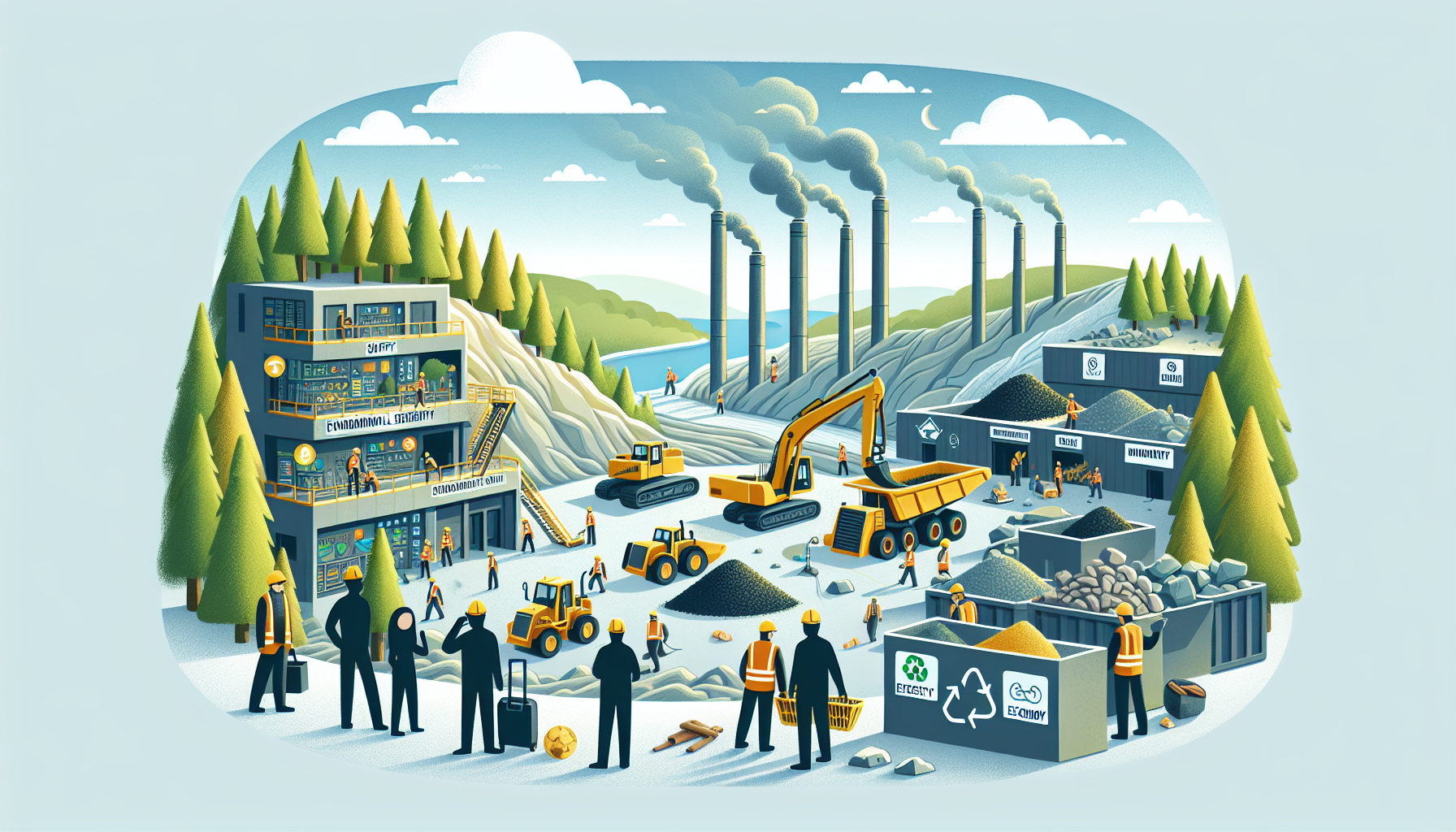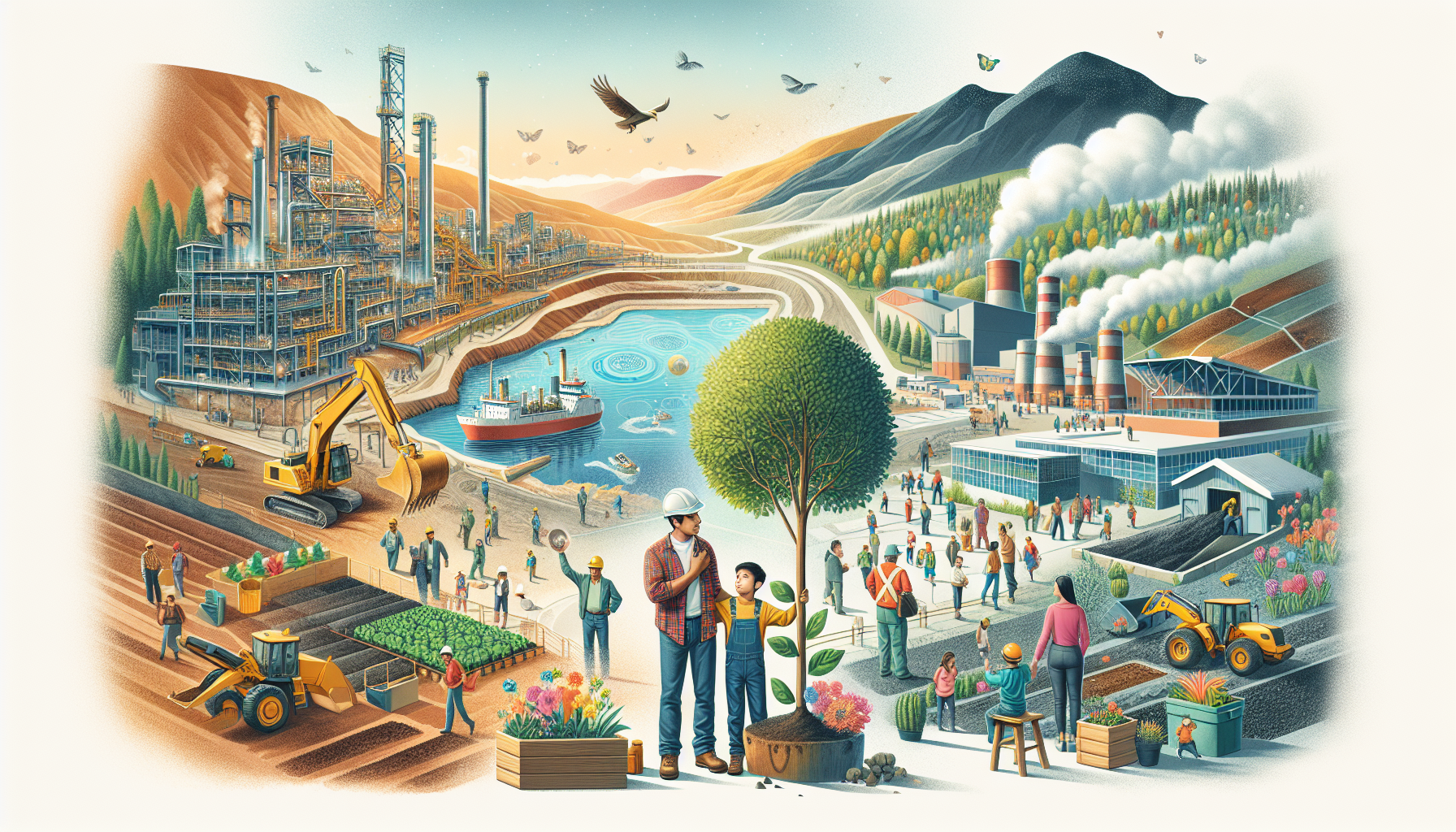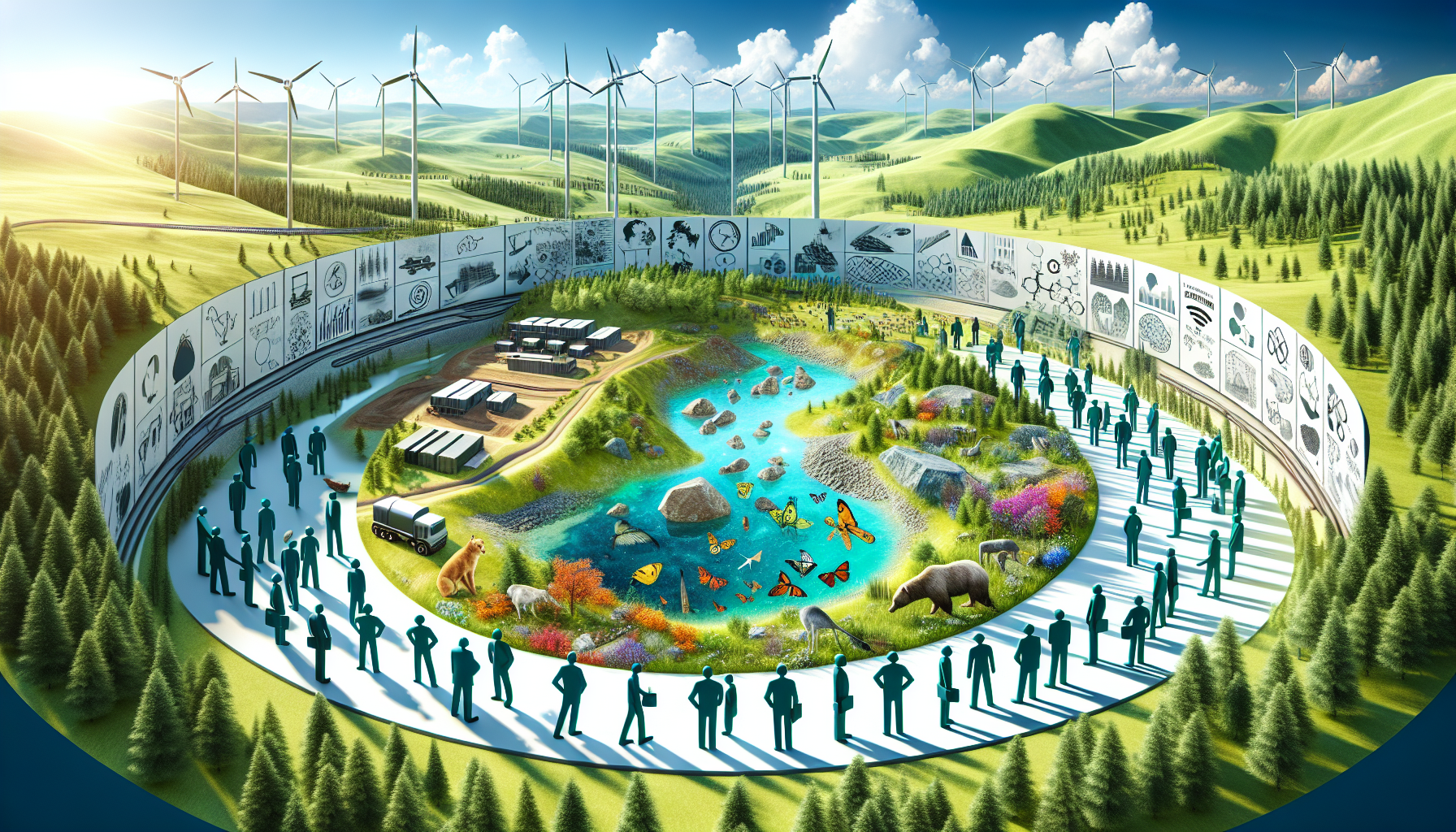
Sustainability reporting in the mining industry covers a wide range of topics related to environmental, social, and governance (ESG) issues. Here are some key topics that are commonly included in sustainability reports for mining companies:
Environmental Stewardship
Environmental stewardship is the responsible and sustainable management of natural resources and ecosystems to ensure their long-term health and viability. In the context of the mining industry, environmental stewardship involves practices and initiatives aimed at minimizing negative environmental impacts and promoting conservation efforts. Here are some key aspects of environmental stewardship in mining:
- Resource Efficiency: Implementing measures to optimize resource use, including water, energy, and raw materials. This may involve adopting technologies and processes that reduce waste and improve resource utilization.
- Biodiversity Conservation: Protecting and preserving local ecosystems, habitats, and biodiversity. This may include conducting biodiversity assessments, implementing conservation programs, and establishing protected areas.
- Rehabilitation and Reclamation: Planning for the eventual closure of mining operations and the restoration of impacted areas to a state that is as close to their original condition as possible. This can involve activities such as re-vegetation, soil remediation, and water quality restoration.
- Air and Water Quality Management: Implementing measures to monitor and control emissions of pollutants, including particulate matter, gases, and contaminants. This includes efforts to prevent water pollution through the treatment of runoff and effluents.
- Climate Change Mitigation and Adaptation: Taking steps to reduce greenhouse gas emissions associated with mining operations, and implementing strategies to adapt to the impacts of climate change, such as extreme weather events and changing precipitation patterns.
- Waste Management: Implementing responsible waste management practices, including the proper handling, storage, and disposal of waste materials generated during mining operations. This may involve recycling, reusing, or safely disposing of waste products.
- Land Use Planning: Conduct thorough environmental impact assessments (EIAs) before initiating mining operations to understand and mitigate potential environmental impacts. This includes considering factors like land fragmentation, habitat disruption, and soil degradation.
- Regulatory Compliance: Ensuring compliance with local, national, and international environmental regulations and standards. This includes obtaining the necessary permits and licenses for mining activities.
- Stakeholder Engagement: Engaging with local communities, indigenous groups, and other stakeholders to solicit their input, address concerns, and involve them in decision-making processes related to environmental stewardship.
- Innovation and Best Practices: Embracing innovative technologies and best practices that advance environmental stewardship in mining. This may include the adoption of cleaner production methods, the use of renewable energy sources, and the implementation of sustainable water management practices.
- Monitoring and Reporting: Establishing monitoring programs to track environmental performance and progress towards environmental goals. Transparent reporting on environmental metrics and indicators is essential for accountability and building trust with stakeholders.
Environmental stewardship is a critical component of responsible mining, as it helps to safeguard ecosystems, protect natural resources, and ensure a sustainable future for both the mining industry and the communities it impacts. It requires a proactive and long-term commitment to minimizing environmental harm and promoting ecological well-being.
Resource Management
Resource management in the context of the mining industry involves the efficient and responsible use of natural resources, such as minerals, water, energy, and land. It encompasses practices and strategies aimed at optimizing resource utilization while minimizing waste and environmental impacts. Here are key aspects of resource management in mining:
- Mineral Reserves and Resources Assessment:
- Conducting thorough geological surveys and assessments to estimate the quantity, quality, and location of mineral reserves and resources.
- Exploration and Extraction Planning:
- Employing advanced technologies and methods for exploration to identify and delineate economically viable mineral deposits.
- Developing extraction plans that consider factors like ore grade, accessibility, and economic feasibility.
- Efficient Mining Techniques:
- Utilizing advanced mining methods and technologies to maximize the recovery of valuable minerals while minimizing the extraction of non-economic material.
- Processing and Beneficiation:
- Implementing efficient processing and beneficiation techniques to extract and refine minerals from raw ore, reducing waste and increasing overall yield.
- Water Management:
- Employing strategies to minimize water consumption and maximize recycling and reuse of water within mining operations.
- Implementing water conservation measures and treatment processes to ensure responsible water use.
- Energy Efficiency:
- Adopting energy-efficient technologies and practices to reduce the energy consumption associated with mining operations.
- Exploring alternative and renewable energy sources to power mining activities.
- Material Handling and Transportation:
- Implementing efficient material handling and transportation systems to minimize losses during transport and maximize the utilization of extracted materials.
- Waste Management and Recycling:
- Developing strategies for responsible waste management, including the recycling and reuse of materials, and the safe disposal of waste products.
- Tailings Management:
- Implementing safe and environmentally responsible practices for the management and storage of tailings, including proper containment and treatment measures.
- Closure Planning and Rehabilitation:
- Planning for the eventual closure of mining operations, including the development of closure plans and financial provisions for site rehabilitation and reclamation.
- Circular Economy Practices:
- Exploring opportunities to adopt circular economy principles, such as product life extension, refurbishment, and recycling, to minimize resource extraction.
- Lifecycle Assessment:
- Conducting life cycle assessments to evaluate the environmental impacts of mining operations from extraction through processing, use, and disposal.
- Technological Innovation:
- Investing in research and development to advance technologies that optimize resource management and promote sustainable mining practices.
Resource management in mining is essential for ensuring the long-term viability of mining operations and minimizing their environmental footprint. It requires a holistic approach that balances economic considerations with environmental and social responsibilities. Additionally, transparent reporting and stakeholder engagement are crucial components of responsible resource management in the mining industry.
Community Engagement and Social Impact
Community engagement and social impact are crucial aspects of responsible mining practices. They involve establishing positive relationships with local communities and stakeholders, understanding their needs and concerns, and working collaboratively to create sustainable benefits. Here are key elements of community engagement and social impact in the mining industry:
- Stakeholder Identification and Mapping:
- Identifying and mapping key stakeholders, including local communities, indigenous groups, government agencies, NGOs, and other interested parties.
- Open and Transparent Communication:
- Establishing clear and open lines of communication with stakeholders to share information about mining activities, plans, and potential impacts.
- Social Impact Assessments (SIAs):
- Conducting comprehensive assessments to understand the potential social impacts of mining on communities, including economic, social, cultural, and health impacts.
- Community Needs Assessment:
- Engaging with communities to understand their specific needs, aspirations, and concerns related to the mining operations.
- Cultural Sensitivity and Respect:
- Respecting local cultures, traditions, and ways of life, and working to avoid any adverse impact on cultural heritage sites.
- Job Creation and Local Employment:
- Providing employment opportunities for local residents and investing in workforce development and training programs.
- Capacity Building and Skills Development:
- Offering training and capacity-building programs to enhance the skills and capabilities of local community members.
- Local Procurement and Business Development:
- Prioritizing local suppliers and businesses for procurement opportunities, thereby stimulating local economic growth.
- Community Investment and Development:
- Investing in community projects and initiatives that align with the needs and priorities of local residents, such as education, healthcare, infrastructure, and small business support.
- Health and Safety Education:
- Conducting outreach and education programs to raise awareness about health and safety issues related to mining activities.
- Conflict Resolution and Grievance Mechanisms:
- Establishing effective mechanisms for handling disputes and grievances, providing an avenue for community members to voice their concerns.
- Environmental Education and Awareness:
- Educating local communities about environmental stewardship, conservation, and the company’s efforts to minimize environmental impacts.
- Benefit Sharing Agreements:
- Negotiating and implementing agreements that outline the benefits and responsibilities of all parties involved, including the community, local government, and the mining company.
- Long-term Legacy Planning:
- Engaging with communities to develop long-term plans for sustainable development beyond the life of the mining operation.
- Crisis and Emergency Response Planning:
- Collaborating with communities to develop and implement emergency response plans to address potential crises or accidents.
Effective community engagement and social impact management foster trust, mutual understanding, and shared benefits between mining companies and local communities. It is a critical component of responsible mining and contributes to the overall sustainability of mining operations.
Health and Safety
Health and safety are paramount concerns in the mining industry. The nature of mining operations involves inherent risks, and it is essential for companies to prioritize the well-being of their workforce and ensure safe working conditions. Here are key aspects of health and safety management in mining:
- Risk Assessment and Hazard Identification:
- Conducting thorough assessments to identify potential risks and hazards associated with specific mining activities and locations.
- Safety Policies and Procedures:
- Establishing and communicating clear, comprehensive safety policies and procedures that cover all aspects of mining operations.
- Training and Education:
- Providing regular training and education programs to equip workers with the knowledge and skills needed to perform their jobs safely.
- Personal Protective Equipment (PPE):
- Ensuring that all personnel are provided with and trained to use appropriate personal protective equipment, such as helmets, gloves, respirators, and safety footwear.
- Emergency Response Planning:
- Developing detailed emergency response plans and conducting regular drills to ensure that workers are prepared to respond effectively in case of accidents, fires, or other emergencies.
- Health Surveillance and Monitoring:
- Implementing programs to monitor the health of workers, including regular medical examinations and screenings for occupational hazards.
- Ventilation and Air Quality:
- Maintaining adequate ventilation systems to control dust, gases, and fumes, and monitoring air quality to ensure a safe working environment.
- Ground Control and Stability:
- Implementing measures to prevent ground collapses, rock falls, and other geological hazards, including the use of support systems and monitoring technologies.
- Material Handling Safety:
- Implementing safe practices for the handling, transportation, and storage of materials to prevent accidents and injuries.
- Fatigue Management:
- Implementing policies and procedures to manage fatigue-related risks, including scheduling, rest breaks, and accommodations for extended work shifts.
- Health and Wellness Programs:
- Promoting healthy lifestyles and providing resources for mental and physical well-being, including access to counselling and support services.
- Drug and Alcohol Testing and Policies:
- Implementing policies and procedures for drug and alcohol testing to ensure a sober and safe work environment.
- Safety Audits and Inspections:
- Conducting regular audits and inspections to assess compliance with safety policies and identify areas for improvement.
- Reporting and Investigation of Incidents:
- Establishing a system for reporting near misses, accidents, and incidents, and conducting thorough investigations to determine root causes and implement corrective actions.
- Safety Culture and Leadership:
- Fostering a culture of safety through strong leadership, employee engagement, and recognition of safety achievements.
- Regulatory Compliance:
- Ensuring compliance with local, national, and international health and safety regulations and standards.
Maintaining a strong commitment to health and safety is not only a legal and ethical obligation but also a fundamental aspect of responsible and sustainable mining practices. It protects the well-being of workers, minimizes risks, and contributes to the overall success and longevity of mining operations.
Regulatory Compliance and Governance
Regulatory compliance and governance are critical aspects of responsible mining practices. They involve adhering to legal requirements and industry standards to ensure that mining operations are conducted in a manner that is both ethical and environmentally sustainable. Here are key elements of regulatory compliance and governance in the mining industry:
- Legal and Permitting Requirements:
- Ensuring compliance with local, national, and international laws, regulations, and permits that govern mining activities, including environmental, health, safety, and land use regulations.
- Permitting and Licensing:
- Obtaining the necessary permits, licenses, and approvals from regulatory authorities before initiating mining operations.
- Environmental Impact Assessments (EIAs):
- Conducting comprehensive assessments to evaluate the potential environmental impacts of mining activities and developing mitigation measures to address identified risks.
- Social License to Operate:
- Establishing and maintaining positive relationships with local communities, indigenous groups, and other stakeholders to gain their support and acceptance for mining operations.
- Compliance Monitoring and Reporting:
- Implementing systems to monitor and track compliance with regulatory requirements, and submitting regular reports to regulatory authorities as required.
- Ethical Business Practices:
- Adhering to high standards of ethics and integrity in all business operations, including anti-corruption measures and responsible supply chain management.
- Corporate Governance Framework:
- Establishing robust governance structures and practices that promote transparency, accountability, and ethical decision-making within the organization.
- Board Oversight and Accountability:
- Ensuring that the board of directors is actively involved in overseeing compliance efforts and holding management accountable for meeting legal and regulatory obligations.
- Code of Conduct and Business Ethics:
- Developing and implementing a code of conduct that outlines expected behaviours, ethical standards, and compliance requirements for employees and stakeholders.
- Risk Management and Compliance Programs:
- Implementing formalized risk management and compliance programs to identify, assess, and mitigate legal and regulatory risks associated with mining operations.
- Internal Controls and Auditing:
- Establishing internal controls and conducting regular audits to ensure that processes and procedures are in place to maintain compliance with regulatory requirements.
- Whistleblower Protection:
- Establishing mechanisms to allow employees and stakeholders to report potential compliance violations or ethical concerns without fear of retaliation.
- Data Privacy and Security:
- Ensuring compliance with data protection laws and implementing measures to safeguard sensitive information related to mining operations.
- Community Engagement and Consultation:
- Engaging with local communities and stakeholders to gather input and address concerns related to compliance and governance issues.
- Sustainable Development Goals (SDGs) Alignment:
- Aligning mining activities with global sustainability goals, such as the United Nations’ Sustainable Development Goals, demonstrates a commitment to broader societal and environmental objectives.
By prioritizing regulatory compliance and governance, mining companies can build trust with stakeholders, protect their reputations, and contribute to a sustainable and responsible mining industry. It also helps to ensure the long-term viability and success of mining operations.
Innovation and Technology
Innovation and technology play a crucial role in driving sustainable and responsible practices in the mining industry. They enable companies to improve operational efficiency, reduce environmental impacts, enhance safety, and drive social and economic benefits. Here are key aspects of innovation and technology in mining:
- Exploration and Resource Assessment:
- Utilizing advanced geospatial technologies, remote sensing, and data analytics to identify and assess mineral deposits.
- Automated and Autonomous Equipment:
- Implementing autonomous drilling, haulage, and extraction equipment to increase efficiency, reduce costs, and improve safety.
- Digital Mining Solutions:
- Utilizing digital technologies like IoT (Internet of Things), sensors, and real-time monitoring to optimize operations, track equipment performance, and improve decision-making.
- Data Analytics and Artificial Intelligence (AI):
- Leveraging AI and advanced analytics to process large datasets for predictive maintenance, resource modelling, and operational optimization.
- Robotics and Drones:
- Deploying drones for aerial surveys, mapping, and monitoring, as well as robots for tasks in hazardous or hard-to-reach areas.
- Advanced Geotechnical Monitoring:
- Implementing advanced monitoring systems to assess ground stability and mitigate risks associated with geological conditions.
- Mineral Processing Technologies:
- Applying innovative techniques to improve mineral extraction, separation, and processing, such as sensor-based sorting and advanced flotation methods.
- Water and Energy Efficiency:
- Implementing technologies to reduce water consumption through recycling, as well as adopting renewable energy sources and energy-efficient practices.
- Tailings Management and Reprocessing:
- Exploring innovative approaches for tailings storage, such as filtered tailings and repurposing waste materials.
- Environmental Monitoring and Remediation:
- Utilizing advanced monitoring technologies for real-time environmental data collection, as well as innovative methods for remediation of impacted areas.
- Mine Planning and Optimization Software:
- Utilizing advanced software solutions for mine planning, scheduling, and optimization to maximize resource recovery and minimize waste.
- Digital Twin Technology:
- Creating digital replicas of mining operations for simulation, planning, and optimization, enabling real-time adjustments based on changing conditions.
- Sustainable Materials and Process Innovations:
- Researching and developing sustainable alternatives to traditional mining materials and processes, such as bioleaching or environmentally friendly reagents.
- Safety Technologies:
- Implementing wearable technologies, proximity detection systems, and other safety innovations to enhance worker protection and prevent accidents.
- Community Engagement Platforms:
- Utilizing digital platforms for transparent and inclusive communication with local communities, enabling them to provide input and stay informed about mining activities.
- Collaborative Innovation Initiatives:
- Participating in industry collaborations, research partnerships, and innovation hubs to collectively drive technological advancements and best practices in mining.
By embracing innovation and technology, mining companies can transform their operations to be more efficient, sustainable, and socially responsible. This not only benefits the industry but also contributes to the broader goal of responsible resource extraction and sustainable development.
Climate Change and Carbon Management
Climate change and carbon management are critical considerations for the mining industry, as they impact both the environment and the long-term viability of mining operations. Addressing these issues involves strategies to mitigate greenhouse gas emissions and adapt to changing climate conditions. Here are key aspects of climate change and carbon management in the mining industry:
- Emissions Inventory and Baseline Assessment:
- Conducting an inventory of greenhouse gas emissions associated with mining operations to establish a baseline for measurement and reduction efforts.
- Emissions Reduction Targets:
- Setting specific and measurable targets for reducing greenhouse gas emissions, aligned with international climate goals and industry best practices.
- Energy Efficiency and Renewable Energy:
- Implementing energy-saving measures and transitioning to renewable energy sources to reduce the carbon footprint of mining operations.
- Alternative Fuel Sources:
- Exploring and adopting alternative fuels for mobile equipment and vehicles, such as electrification, hydrogen, or biofuels.
- Carbon Capture and Storage (CCS):
- Investigating the feasibility and implementation of CCS technologies to capture and store carbon dioxide emissions from mining processes.
- Low Carbon Technologies:
- Adopting low carbon or carbon-neutral technologies for mineral processing and extraction processes, such as dry processing or hydrometallurgical techniques.
- Afforestation and Reforestation:
- Implementing tree planting and reforestation initiatives to sequester carbon and enhance biodiversity on mining sites.
- Sustainable Transportation and Logistics:
- Implementing efficient transportation practices, including optimizing routes and utilizing low-emission transport options, to reduce emissions associated with the movement of materials.
- Water and Energy Efficiency:
- Implementing technologies and practices to reduce water consumption and energy use in mining operations, as both contribute to carbon emissions.
- Adaptation and Resilience Measures:
- Developing and implementing strategies to adapt to climate change impacts, such as extreme weather events, changing precipitation patterns, and sea-level rise.
- Climate Risk Assessments:
- Conducting assessments to identify and evaluate the potential climate-related risks to mining operations, including impacts on infrastructure, water availability, and community well-being.
- Engagement with Climate Science and Research:
- Collaborating with climate scientists and researchers to stay informed about the latest climate science, trends, and adaptation strategies.
- Carbon Pricing and Offsetting:
- Exploring opportunities for internal carbon pricing or participating in carbon offset programs to account for emissions that cannot be eliminated.
- Stakeholder Engagement on Climate Issues:
- Engaging with local communities, governments, and other stakeholders to understand their concerns and priorities related to climate change and incorporate their perspectives into decision-making processes.
- Transparent Reporting and Disclosure:
- Providing regular and transparent reporting on emissions, reduction efforts, and progress towards climate-related targets.
By proactively addressing climate change and implementing carbon management strategies, mining companies can contribute to global efforts to mitigate the impacts of climate change while ensuring the long-term sustainability of their operations.
Supply Chain and Responsible Sourcing
Supply chain and responsible sourcing are critical components of responsible mining practices. They involve ensuring that the materials and products used and produced in mining operations are obtained and handled in an ethical, sustainable, and socially responsible manner. Here are key aspects of supply chain and responsible sourcing in the mining industry:
- Supply Chain Due Diligence:
- Conducting thorough assessments of suppliers and partners to ensure they meet ethical, environmental, and social standards.
- Conflict-Free Minerals:
- Implementing measures to ensure that minerals are sourced from conflict-free areas, in compliance with international standards like the Kimberley Process and OECD Due Diligence Guidance.
- Responsible Mineral Sourcing:
- Procuring minerals from sources that adhere to responsible mining practices, including efforts to minimize environmental impacts, respect human rights, and support local communities.
- Traceability and Chain of Custody:
- Establishing systems to track and verify the origin of minerals from the extraction site to the final product, providing transparency and accountability in the supply chain.
- Certification and Standards:
- Seeking certification or adhering to recognized industry standards for responsible sourcing, such as the Responsible Jewellery Council (RJC) or the Responsible Cobalt Initiative.
- Environmental and Social Criteria in Procurement:
- Incorporating environmental, social, and ethical considerations into procurement policies and criteria for selecting suppliers.
- Local Content and Community Engagement:
- Prioritizing local suppliers and contractors, and engaging with local communities to support economic development and create positive impacts.
- Human Rights and Labor Standards:
- Ensuring that suppliers and partners uphold human rights, including fair labour practices, safe working conditions, and equitable treatment of workers.
- Gender Equality and Diversity in the Supply Chain:
- Promoting diversity and inclusion in the supply chain, including opportunities for women-owned businesses and underrepresented groups.
- Anti-Corruption and Ethics Policies:
- Implementing policies and practices to prevent corruption, bribery, and unethical behaviour within the supply chain.
- Continuous Monitoring and Auditing:
- Conducting regular assessments, audits, and site visits to monitor compliance with responsible sourcing standards.
- Capacity Building and Training:
- Providing training and capacity-building programs for suppliers and partners to improve their understanding and implementation of responsible sourcing practices.
- Collaborative Initiatives and Partnerships:
- Collaborating with industry associations, NGOs, and other stakeholders to drive collective efforts towards responsible sourcing and supply chain management.
- Supplier Code of Conduct:
- Establishing a code of conduct for suppliers and partners that outlines the expectations for responsible business practices.
- Reporting and Transparency:
- Providing transparent reporting on responsible sourcing efforts, including the identification of challenges and steps taken to address them.
By prioritizing responsible sourcing and supply chain management, mining companies can contribute to positive social and environmental outcomes, build trust with stakeholders, and demonstrate their commitment to sustainable and ethical practices. This approach also helps to ensure the long-term viability and reputation of mining operations.
Closure and Reclamation
Closure and reclamation are crucial components of responsible mining practices. They involve planning for the eventual cessation of mining activities and the restoration of impacted areas to a condition that is as close as possible to their pre-mining state. Here are key aspects of closure and reclamation in the mining industry:
- Closure Planning:
- Developing comprehensive closure plans that outline the steps and measures needed to safely and responsibly close down mining operations.
- Regulatory Compliance:
- Ensuring that closure plans adhere to local, national, and international regulations and standards for mine closure.
- Financial Provisioning:
- Setting aside financial resources, often in the form of bonds or financial guarantees, to cover the costs of closure and reclamation activities.
- Progressive Rehabilitation:
- Implementing rehabilitation measures throughout the life of the mine to minimize environmental impacts and facilitate smoother closure.
- Landform Design and Reconstruction:
- Planning for the reshaping of landforms, including waste rock dumps, tailings storage facilities, and open pits, to achieve stable and environmentally sustainable conditions.
- Soil and Vegetation Restoration:
- Implementing measures to restore soil quality, promote vegetation growth, and re-establish natural habitats.
- Water Management and Treatment:
- Establishing systems for managing water, including the treatment of water from pit lakes, tailings ponds, and other water bodies.
- Final Closure Certification:
- Obtaining regulatory approval and certification that closure objectives have been met and that the site is safe, stable, and environmentally sound.
- Community Transition and Economic Diversification:
- Working with local communities to develop transition plans and identify alternative economic opportunities after mine closure.
- Long-Term Monitoring and Maintenance:
- Implementing monitoring programs to track the performance of reclamation efforts over time, and conducting necessary maintenance activities.
- Post-Closure Land Use Planning:
- Engaging with stakeholders to determine the best use of the reclaimed land post-closure, considering factors like conservation, agriculture, or recreational purposes.
- Biodiversity and Habitat Management:
- Implementing habitat restoration and enhancement measures to promote biodiversity and support local ecosystems.
- Public Reporting and Transparency:
- Providing clear and transparent information about closure and reclamation efforts, including progress updates and results of monitoring programs.
- Legacy Management and Liabilities:
- Establishing procedures for ongoing legacy management, including addressing any long-term environmental or safety liabilities that may arise after closure.
- Stakeholder Engagement in Closure Planning:
- Engaging with local communities, indigenous groups, and other stakeholders to gather input and address concerns in the closure planning process.
Effective closure and reclamation planning are essential for ensuring that mining activities do not leave a lasting negative impact on the environment and local communities. It demonstrates a commitment to responsible mining practices and helps to build trust with stakeholders.
Performance Metrics and Targets
Performance metrics and targets are crucial tools for measuring and tracking the progress of mining operations in achieving their environmental, social, and economic goals. They provide a means to assess the effectiveness of various initiatives and ensure that responsible practices are being implemented effectively. Here are key aspects of performance metrics and targets in the mining industry:
- Key Performance Indicators (KPIs):
- Establishing specific KPIs that are aligned with the company’s sustainability goals and objectives. These KPIs should cover various aspects of environmental, social, and economic performance.
- Environmental Metrics:
- Tracking indicators related to environmental stewardship, such as energy consumption, water usage, greenhouse gas emissions, waste generation, and air quality.
- Safety and Health Metrics:
- Monitoring metrics related to worker safety and health, including injury rates, near misses, occupational illnesses, and health and safety training completion.
- Community Engagement and Social Impact Metrics:
- Measuring the effectiveness of community engagement efforts, such as satisfaction surveys, feedback mechanisms, and indicators related to community development and well-being.
- Biodiversity and Habitat Metrics:
- Tracking indicators related to biodiversity conservation and habitat protection, including species diversity, habitat restoration progress, and conservation initiatives.
- Financial Performance Metrics:
- Assessing economic indicators like revenue, profitability, cost efficiency, and return on investment, ensures that responsible practices are also economically viable.
- Supply Chain and Responsible Sourcing Metrics:
- Monitoring metrics related to responsible sourcing practices, including compliance with ethical and environmental standards, traceability, and supplier performance.
- Climate Change and Carbon Management Metrics:
- Tracking metrics related to emissions reductions, energy efficiency improvements, and progress towards climate change mitigation targets.
- Water and Resource Management Metrics:
- Measuring indicators related to water conservation, efficiency in resource use, and efforts to minimize resource depletion.
- Regulatory Compliance Metrics:
- Monitoring compliance with local, national, and international environmental, health, and safety regulations, as well as adherence to industry standards.
- Innovation and Technology Adoption Metrics:
- Assessing the adoption of innovative technologies and practices, and measuring the impact on operational efficiency and sustainability.
- Closure and Reclamation Performance Metrics:
- Evaluating the effectiveness of closure and reclamation efforts in meeting established objectives, such as landform stability, vegetation growth, and water quality.
- Stakeholder Engagement Metrics:
- Measuring indicators of stakeholder satisfaction, trust, and involvement in decision-making processes related to mining operations.
- Compliance with Responsible Mining Standards:
- Monitoring adherence to industry-specific responsible mining standards and certifications, demonstrating a commitment to best practices.
- Continuous Improvement Targets:
- Setting specific targets for continuous improvement in key areas of sustainability, based on ongoing performance evaluations and lessons learned.
Establishing clear and measurable performance metrics and targets is essential for demonstrating a commitment to responsible mining practices. Regularly tracking and reporting on progress towards these targets helps build trust with stakeholders and ensures accountability for meeting sustainability goals.
Discover more from AllMinings
Subscribe to get the latest posts sent to your email.